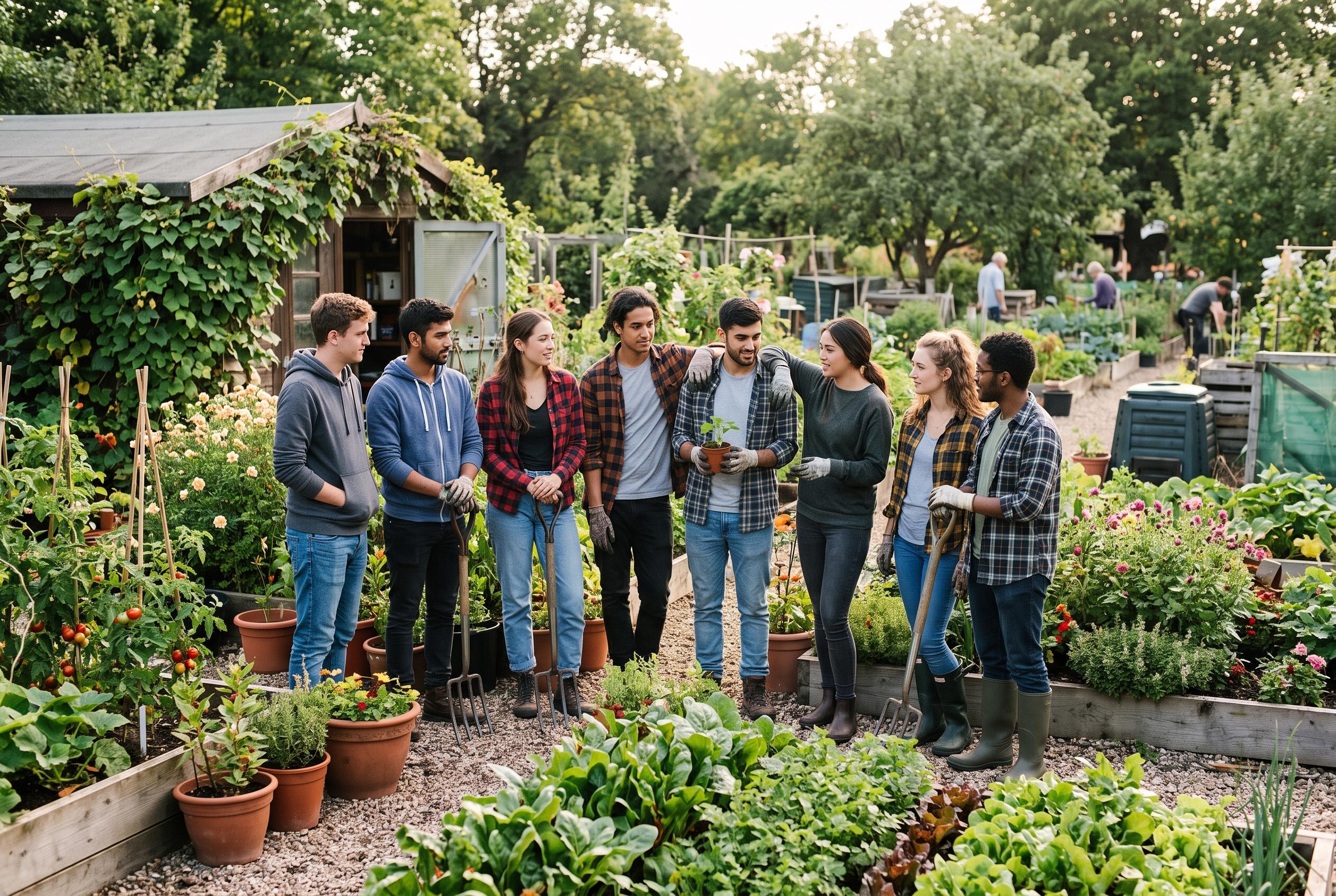

As climate concerns dominate the minds of young people worldwide, organisations like Force of Nature are providing vital communal support, transforming climate anxiety into practical activism amid a backdrop of global instability.
For Eliza Sullivan-Tailyour, the feeling that the world was changing for the worse came early. As she grew older and moved with her family to the UK, that unease turned into something more active: a drive to do something about it. She joined the Schools Sustainability Network, an umbrella group for student environmental projects, but she still felt isolated at her own school, where few classmates shared her concern. The result was a familiar mix of urgency and exhaustion that many young people now describe when trying to respond to climate change on their own.
That changed when she found Force of Nature, a UK-based non-profit that has built an international community around turning climate anxiety into practical action. In 2021, the organisation launched Becoming a Force of Nature, an informal online support programme for children and young adults worried about the climate crisis. Sullivan-Tailyour joined a Zoom session with participants from dozens of countries and, as she put it, realised she was not alone. Force of Nature says it now works with young people aged 16 to 35 and has a community in more than 50 countries.
Her experience fits a broader pattern. Research highlighted by the British Council shows climate change has ranked among the top three concerns for young people across the G20 since 2016, and in 2023 it was identified as the most important issue by more than 19,000 young people surveyed. Other studies have found high levels of climate anxiety among children and young adults, along with deep doubts about whether governments are doing enough. Gallup and the Walton Family Foundation have also found that Gen Z worries extend beyond carbon emissions to issues such as water pollution and the health of oceans and fish.
The rise of groups such as Force of Nature reflects a wider shift in how youth organisations are approaching climate distress. The concern is no longer framed only as fear about rising temperatures or extreme weather. It is increasingly understood as part of a larger sense of instability shaped by pandemics, conflict, housing costs, political division and the pressure of constant online news. For many young people, the challenge is not just understanding the crisis, but finding a way to stay engaged without burning out.
Disclaimer: This content is for informational purposes only and is not intended to be a substitute for professional medical judgment, advice, diagnosis, or treatment.