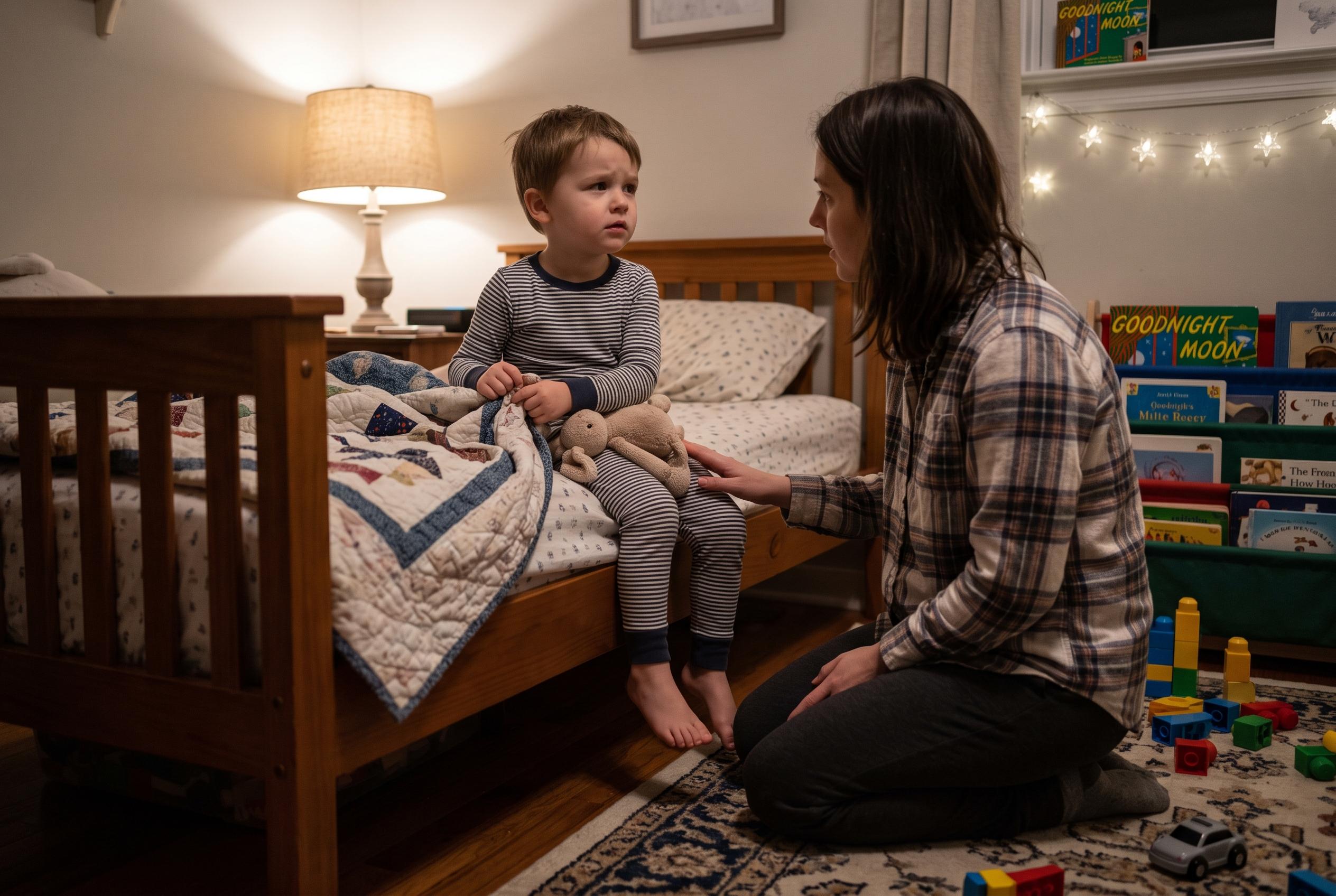

Bedtime struggles are often misinterpreted as defiance, but experts say they reflect children’s emotional needs. Recognising these signals can help parents foster reassurance and routine for calmer nights.
Bedtime resistance is often mistaken for defiance, but for many children it is simply a sign that something feels unfinished, uncertain or overwhelming. Parents know the pattern well: the day is over, the routine is done, and yet the requests keep coming. A further story, another drink of water, one more cuddle. According to Kiddipedia’s guide, the real issue is often emotional rather than behavioural, with children using delay tactics to signal that they need reassurance, comfort or a sense of control before they can settle.
Those feelings change with age. In infancy, bedtime can trigger distress because babies rely on caregivers to regulate their emotions and feel secure. Toddlers are often caught between attachment and independence, so separation anxiety, overtiredness and a need to test limits can all show up at lights-out. Preschoolers may resist because of fears, big imaginations or a desire to exert some choice. By the early school years, worries about friends, school and missing out can make winding down harder, while tweens may be juggling academic pressure, screens and an increasing need for privacy and autonomy.
Specialists say bedtime battles are rarely about one simple cause. Recent pieces from Psychology Today and other child-focused parenting resources note that stalling often reflects a child’s wish for connection before separation, while sleep-support writers point to over-stimulation, inconsistent routines and timing that does not quite match a child’s natural sleepiness. In practice, the problem is usually a mix of tiredness, emotion and habit. Children may not have the self-soothing skills to move from a busy day to quiet sleep without help.
That is why experts consistently recommend the same foundations: predictability, calm and connection. A regular bedtime routine, some undivided attention earlier in the evening and gentle validation of fears can make a real difference. Offering limited choices, such as which book to read or which nightlight to use, can help children feel a little more in control without turning bedtime into a negotiation. The point, child development specialists say, is not to eliminate every protest, but to reduce the sense that sleep means separation, loss or the end of comfort.
Seen this way, bedtime stalling is not only a challenge to manage but also a clue to what a child needs. For younger children, that may be reassurance that a parent is still nearby. For older children, it may be help naming worries they cannot yet explain well. However messy the evening becomes, a steady response matters. Patience, structure and warmth do more than get children to sleep; they help them feel safe enough to let go.
Disclaimer: This content is for informational purposes only and is not intended to be a substitute for professional medical judgment, advice, diagnosis, or treatment.