
Guidance from Mozambique’s Ministry of Health emphasises that maintaining baby teeth is crucial for a child’s oral health, speaking, and facial development, with early loss risking misalignments and complications.
Baby teeth, also known as primary or temporary teeth, are a normal but important part of a child’s development. Health guidance from Mozambique’s Ministry of Health says they help children chew, speak clearly and keep the right space open for permanent teeth to come through. They also support the growth of the jaw and face.
Children usually have 20 baby teeth. Around the age of six, the first ones typically start to loosen and fall out as permanent teeth develop underneath. That change usually continues through childhood until about the age of 12, though the timing can vary from child to child.
As a permanent tooth forms, the root of the baby tooth is gradually reabsorbed, which is why it begins to wobble before it falls out. Children can usually help the process along by gently moving the tooth with clean hands or the tongue, or by biting into firmer foods such as apple or carrot. Dentists advise against pulling a tooth out before it is ready, as that can cause pain, bleeding, gum injury and unnecessary fear.
A small amount of bleeding after a tooth falls out is common. Pressing clean gauze or a cloth gently over the area for a few minutes is usually enough. But if bleeding is heavy, does not stop, or the child has significant pain or swelling, a health facility should be contacted. If a baby tooth is lost early because of decay, injury or another mouth problem, dentists say the child should be assessed, because neighbouring teeth can drift into the gap and affect how the permanent teeth grow in. Research and paediatric guidance from institutions including the University of Iowa, Children’s Hospital of Philadelphia and the American Academy of Pediatrics all stress that premature loss can raise the risk of misalignment and other dental problems.
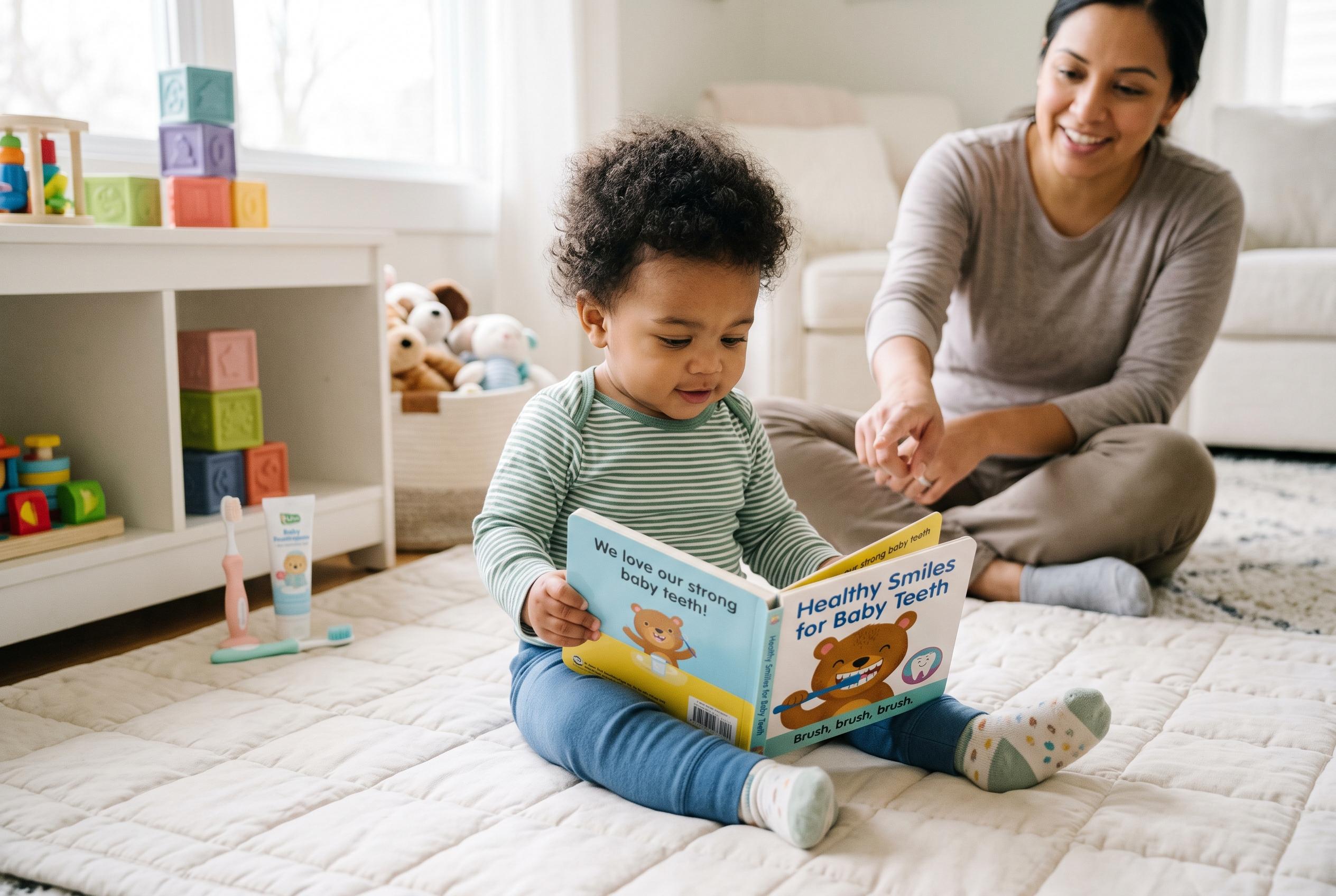
Accidents can also knock out or break baby teeth during play, sport, or at home and school. In those cases, children should be seen as quickly as possible, especially if there are cuts to the lips, tongue or gums. The broader message from child health specialists is that baby teeth should not be ignored simply because they will one day be replaced. Daily brushing with fluoride toothpaste, adult supervision, less sugary food and drink, and regular checks for spots, cavities, pain, bad breath, swelling or difficulty eating all help protect both baby teeth and the permanent teeth that follow.
Disclaimer: This content is for informational purposes only and is not intended to be a substitute for professional medical judgment, advice, diagnosis, or treatment.