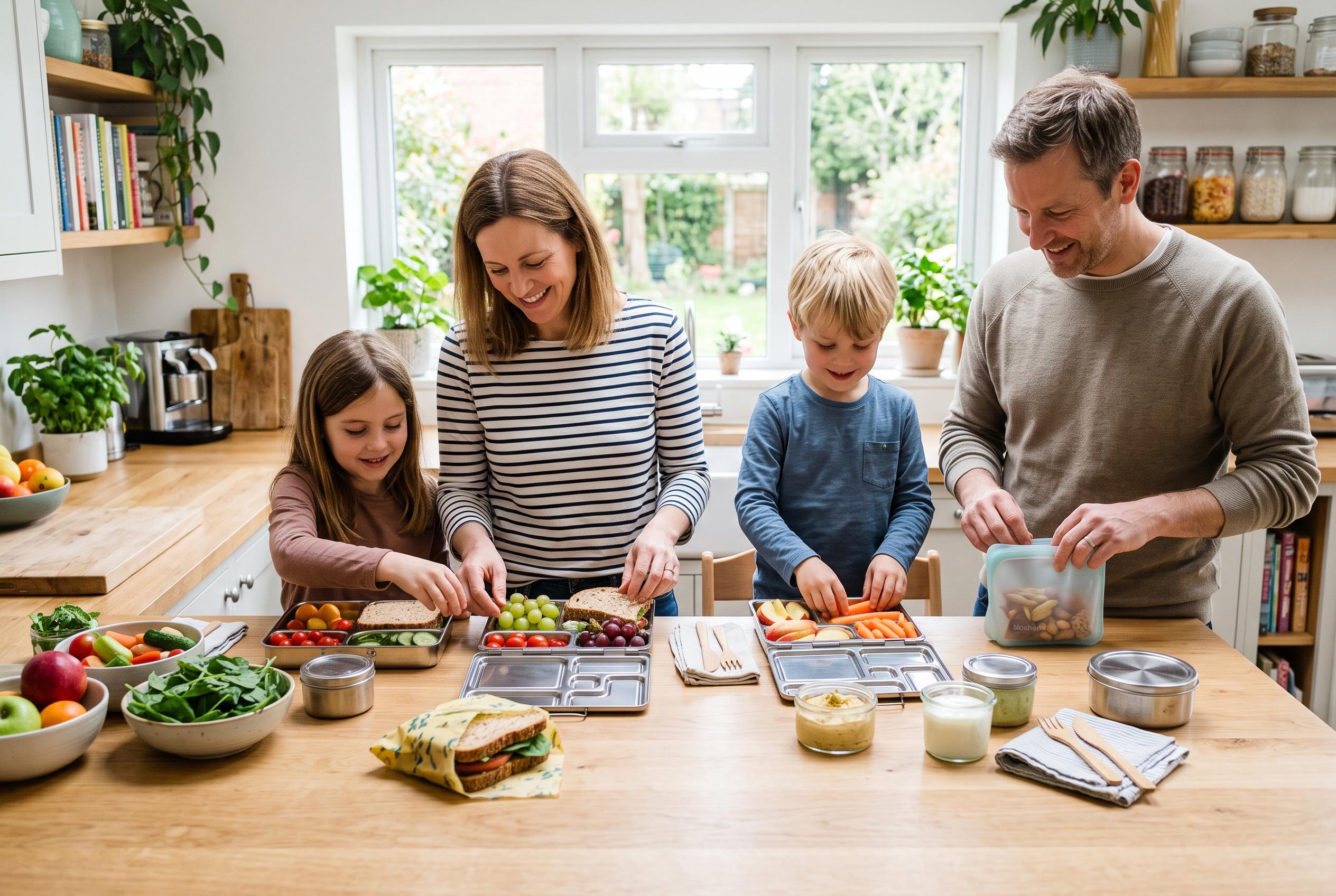

Adopting reusable containers, planning balanced meals, and involving children are transforming the way families approach plastic-free school lunches, making sustainability easier and more appealing than ever.
Packing a plastic-free school lunch does not have to mean making life harder for parents or less appealing for children. The core idea is simple: build meals around reusable containers, low-packaging foods and a few small habits that make weekday mornings smoother. Practical guidance from Portland’s sustainability programme, Ohio State Extension and other family-focused waste-reduction resources points in the same direction: use what can be washed and used again, buy foods with less wrapping, and keep portions realistic so less ends up in the bin.
A good lunch usually starts with the container itself. Reusable lunch boxes, insulated bags, stainless steel bottles, cloth napkins and durable cutlery all help cut down on disposable packaging. Conservation groups and university extension services also recommend looking for second-hand lunch gear, using refillable drink containers and choosing sturdy storage for leftovers and snacks. For families, that can mean fewer plastic bags, fewer foil wrappers and less waste overall.
What goes inside the lunch box matters just as much. Healthy-lunch guidance from the University of Nebraska–Lincoln recommends building meals around fruit and vegetables, especially easy options such as apples, grapes, cucumbers, carrots, peppers and broccoli. Dips such as hummus or low-fat dressing can make raw vegetables more appealing, while whole-grain bread, crackers, pasta and rice help round out the meal. The goal is not perfection, but variety: different colours, textures and flavours tend to keep lunch more interesting for children.
Warm food can work well too, especially when packed in a good thermos. Soups, stews, noodles, dhal and pasta are all realistic options, particularly if they can be made the night before and reheated quickly in the morning. That kind of planning also helps families use up leftovers, which is one of the easiest ways to reduce food waste and save time. Some zero-waste lunch guides suggest simple make-ahead routines so parents are not starting from scratch each day.
The most successful lunches are often the ones children help to shape. Portland’s waste-free lunch advice recommends involving children in planning, while Ohio State Extension suggests paying attention to how much actually comes home uneaten. Letting children choose a side, a fruit or a snack can make them more likely to eat it. It also helps parents pack the right amount, which is important both for reducing waste and for keeping food costs down.
There is also a longer lesson here. Packing a plastic-free lunch is not just about one meal; it is a chance to build habits around sustainability, nutrition and responsibility. The best systems are usually the simplest ones: reusable gear, familiar foods, sensible portions and a little preparation the night before. Over time, those small choices can add up to less clutter, less waste and a lunch routine that is easier on both the budget and the environment.
Disclaimer: This content is for informational purposes only and is not intended to be a substitute for professional medical judgment, advice, diagnosis, or treatment.