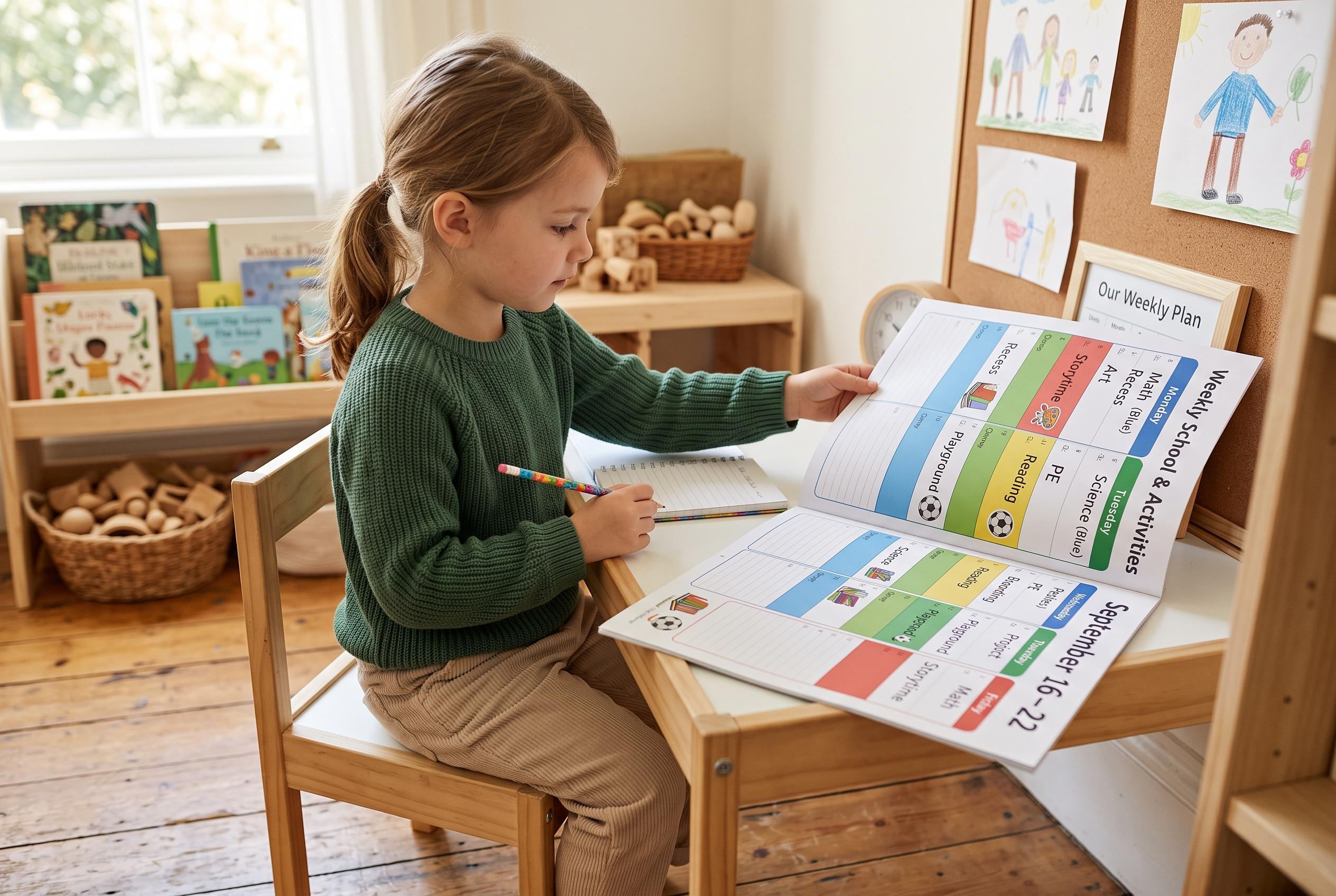

A 2024 study highlights the potential psychological harm of overloaded school calendars, emphasising the importance of balanced activities and open communication to support children’s mental well-being amid the back-to-school rush.
The back-to-school rush can leave families wondering when a full calendar stops being helpful and starts becoming a burden. A 2024 study in Economics of Education Review suggests that more homework and a heavier load of activities do not necessarily improve academic skills, but may be linked to higher levels of anxiety, anger and depression in children. That makes balance, rather than busyness, the real goal for parents trying to support their children’s success.
One useful place to start is age. Childhood development specialists say organised activities are generally less suitable for children under about six or seven, when self-directed play and exploration matter more than formal skill-building. Andie Stallman, a clinical and developmental health and psychology specialist at Imagination Playground, has argued that younger children benefit most when activities are kept light and focused on enjoyment and social contact, while older pupils can begin to weigh which clubs or sports genuinely interest them.
Parents are also advised to keep talking about the schedule rather than treating it as fixed. The American Academy of Child & Adolescent Psychiatry says children should be encouraged to speak openly if they feel overloaded and reassured that stepping back from an activity can be healthy. That openness matters, because children often hesitate to disappoint adults even when they are struggling. Warning signs can include avoiding activities, persistent tiredness, poor sleep, slipping grades, trouble meeting deadlines, headaches, stomach aches and rising anxiety. Mayo Clinic and the American Psychiatric Association both note that physical complaints, withdrawal and mood changes can also signal deeper mental health concerns.
Experts say free time is not wasted time. Unstructured play helps children develop social, emotional and cognitive skills that organised schedules can crowd out, according to Children’s Health. For parents, the task is not to eliminate commitment, but to make room for rest, play and recovery. If a child’s stress signs persist, doctors and mental health professionals advise seeking help early rather than waiting for the problem to pass.
Disclaimer: This content is for informational purposes only and is not intended to be a substitute for professional medical judgment, advice, diagnosis, or treatment.