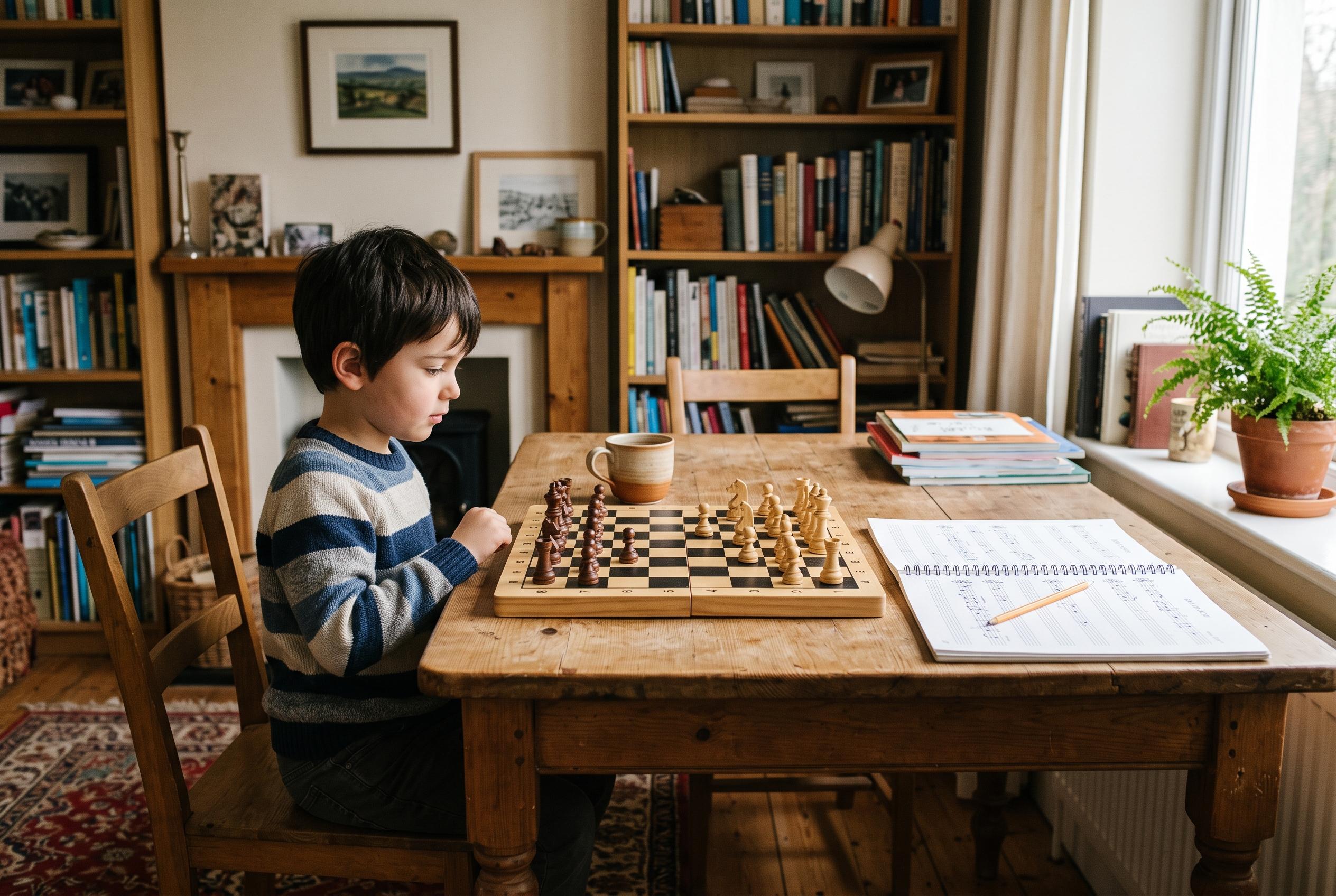

Emerging research indicates that engaging in music and chess can develop key skills like focus, resilience, and critical thinking, strengthening the foundation for better learning in children.
Extra-curricular activities such as music and chess can give children more than a break from the school day: they may also strengthen habits that support learning, according to the Russian education outlet RIA Novosti, which cited pedagogical psychologist Shamil Akhmadullin. He argued that music helps children break down complex tasks into smaller steps, while also improving listening skills that matter in the classroom.
Educational groups that promote music instruction say the benefits can extend well beyond performance. The Music Institute has said lessons can build focus, resilience, self-regulation and confidence, while also helping children cope with setbacks and daily demands. Public Broadcasting Service parent guidance has likewise said music education can support broader learning, because children are often using several skills at once when they sing, listen or play an instrument.
Chess and other strategic games may offer a different set of gains. According to Chess.com and Chess Learning Academy, the game can improve critical thinking, problem-solving, patience and strategic planning, while also helping children stay concentrated and return to a task after disappointment. That overlaps with Akhmadullin’s view, as reported by NEWS.ru, that such activities can teach children to think through consequences and maintain discipline.
But experts also caution against overloading children with too many clubs and lessons. Akhmadullin said children need enough time to rest, and the wider educational advice from music and chess organisations suggests the real value comes when activities are regular, manageable and sustained. In that sense, the goal is not simply to fill a child’s week, but to choose a few pursuits that reinforce attention, persistence and organisation over time.
Disclaimer: This content is for informational purposes only and is not intended to be a substitute for professional medical judgment, advice, diagnosis, or treatment.