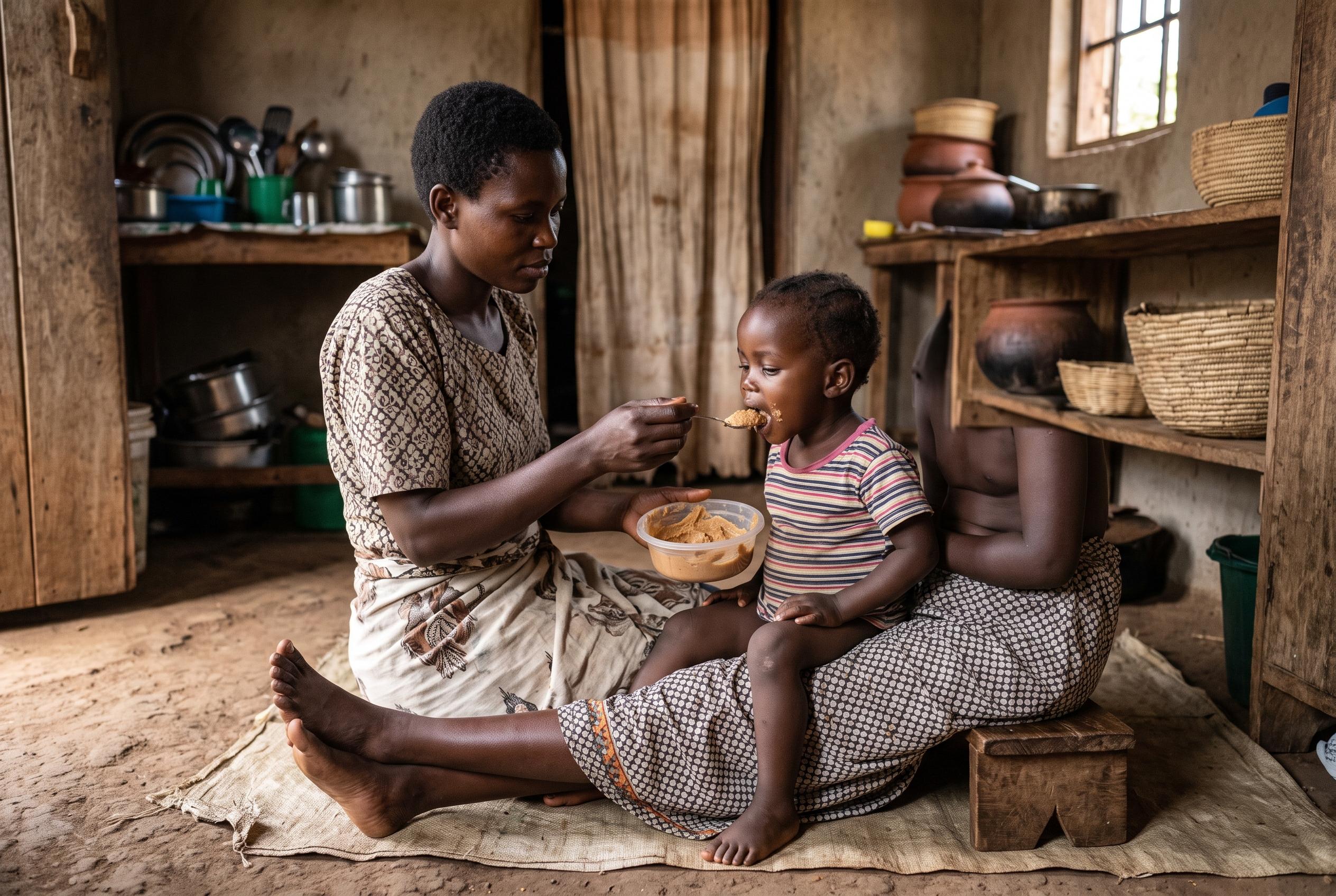

The adoption of ready-to-use therapeutic food (RUTF) is transforming the management of severe acute malnutrition, enabling treatment at home and in remote areas, thanks to its long shelf life and ease of use.
Ready-to-Use Therapeutic Food, better known as RUTF, has become one of the most important tools in the treatment of severe acute malnutrition in young children. According to UNICEF, it is a dense, ready-to-eat paste made from ingredients such as peanut paste, milk powder, vegetable oil, sugar, vitamins and minerals. Because it does not need cooking, mixing or refrigeration, it can be used safely in homes and remote communities, where access to hospital care is often limited. Severe acute malnutrition remains a major threat to child survival, and public health groups say RUTF has changed the prospects for many children who would otherwise struggle to recover.
The World Health Organisation recommends RUTF as part of the rehabilitation phase for children aged six to 59 months with severe acute malnutrition, after they have been stabilised on initial therapeutic feeding. Research reviewed by Cochrane and studies published in the Journal of Tropical Pediatrics describe the product’s long shelf life and low moisture content as key reasons it works well outside hospital settings. Those features make it especially valuable in community-based programmes, where families can continue treatment at home while health workers monitor progress.
That model is already being used by RHCI, which works with Project Peanut Butter, a non-profit linked to Washington University in St Louis, to supply RUTF in Sierra Leone and other African countries. In RHCI’s programme, children with severe malnutrition receive RUTF under the supervision of nutritionist Umu Shour, while those with moderate malnutrition are given Bennimix, a fortified porridge. The organisation says children are checked every two weeks and usually stay in the programme for three to six months, giving staff time to track recovery and adjust care as needed.
RHCI said the programme recorded more than 2,600 malnutrition visits for children under five in the past year and supported more than 400 children overall. For families, the appeal of RUTF is not only its nutritional value but also its practicality: it can be stored for months, carried easily and given without special equipment. Health experts say that combination has helped shift treatment of severe wasting away from hospitals and into the community, where many children can recover sooner and more safely.
Disclaimer: This content is for informational purposes only and is not intended to be a substitute for professional medical judgment, advice, diagnosis, or treatment.