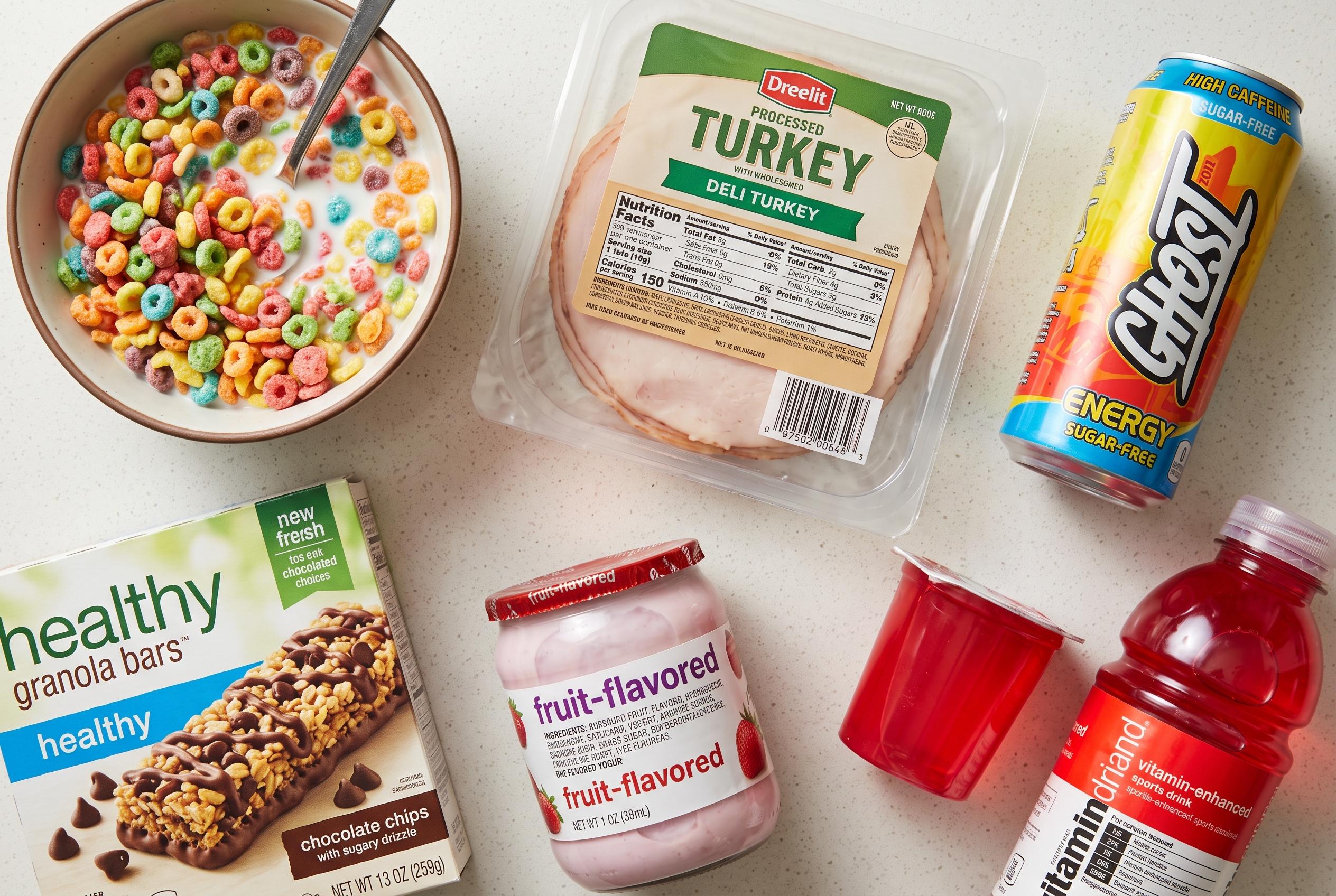

Supermarket staples often appear healthy but are laden with sugar, salt, and additives. Nutritionists caution consumers to scrutinise ingredient lists and understand the true nutritional value behind popular foods like cereals, processed meats, and energy drinks.
Supermarket shelves can make the same foods look far more wholesome than they are. Yet, according to several nutritionists and dietitians, the items they most often leave behind are not obscure health products but familiar staples that rely on sugar, salt, additives and long ingredient lists to win over shoppers.
That pattern shows up most clearly in drinks, instant soups and breakfast cereals. Jinan Banna, a registered dietitian and nutrition professor at the University of Hawaii, has said she would not choose soda, including diet varieties, because it offers little beyond sugar or artificial sweeteners. Nutrition reporting has also linked diet soft drinks and sugary soft drinks to heavy ultra-processed food intake. Similar concerns apply to instant noodle soups and cup soups, which are typically high in sodium and saturated fat, while sugary cereals can deliver a large hit of added sugar first thing in the morning and leave people hungry again soon after. Guidance from the Academy of Nutrition and Dietetics and other health groups generally points towards whole grains, plain oats and minimally processed foods instead.
Processed meats and heavily sweetened dairy products are another common line in the sand. Dietitians frequently steer clear of deli meats, hot dogs and similar products because they tend to combine sodium, preservatives and low-quality ingredients. The same scepticism applies to flavoured yoghurts, which can contain surprising amounts of added sugar despite their healthy image. In place of these, nutrition experts often recommend plain yoghurt topped with fruit, or minimally processed proteins that are easier to recognise on the label.
Protein bars, shakes and energy drinks also draw criticism, especially when marketing races ahead of nutrition. Several nutritionists told Newsweek they avoid ultra-processed protein snacks, particularly those packed with artificial sweeteners and other additives. Mindy Haar, assistant dean at the New York Institute of Technology’s School of Health Professions, has argued that many people do not need extra protein from bars or powders and that such products can go beyond what the body requires. Energy drinks face even sharper pushback because they combine caffeine, sugar and stimulants in a way that can affect sleep and heart health.
Even products sold as lighter or healthier swaps are not always held in high regard. Dietitians often question reduced-fat spreads, whipped toppings and some peanut butters, especially when sugar, hydrogenated oils or palm oil appear ahead of the core ingredient. Pre-packaged sushi and grab-and-go prepared meals also raise concerns about freshness, storage time and heavy use of sodium to extend shelf life. According to reporting from nutrition-focused publications, some experts would rather choose a restaurant meal with known standards or assemble a simple meal from whole ingredients at home.
The larger lesson is not that these foods are forbidden, but that frequency and context matter. A single yoghurt, snack bar or prepared lunch will not make or break a diet. What nutrition professionals consistently recommend is a more sceptical reading of the front of the packet and a closer look at the ingredient list, where the real story usually sits.
Disclaimer: This content is for informational purposes only and is not intended to be a substitute for professional medical judgment, advice, diagnosis, or treatment.