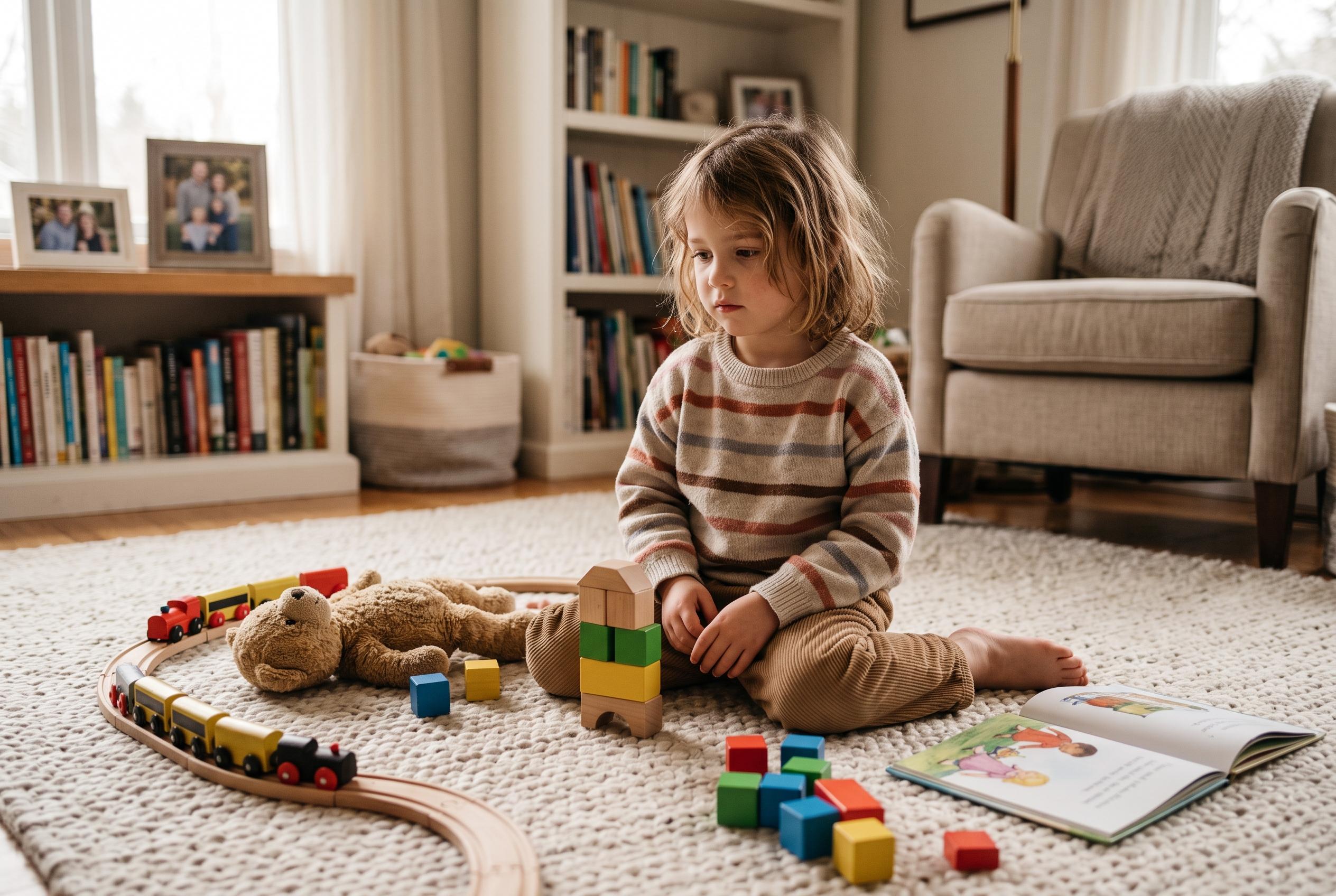

Children grieve differently from adults, experiencing loss in unpredictable bursts shaped by age and understanding. Experts share how carers can support children through these emotional stages with honesty, routine, and reassurance.
Children do grieve after a death, but not always in the steady, sustained way adults do. The difference is less about the depth of feeling than about development: age, language, memory and a child’s understanding of permanence all shape how loss is processed. Research from Simply Psychology and guidance from the National Cancer Institute note that children often experience grief in bursts rather than as a continuous emotional state.
For younger children, death can be hard to grasp as final. Children under about five or six may think the person will return, while older children begin to understand that death is irreversible and happens to everyone. Lurie Children’s Hospital says this changing understanding helps explain why grief can look different at each stage of childhood, from clinging and sleep disruption in infants to anger, withdrawal or school difficulties in older children.
That is one reason psychologists often describe childhood grief as a kind of coming and going. A child may cry intensely and then return to play soon after, not because the loss has been forgotten but because they can only carry so much emotion at once. Simply Psychology and the National Cancer Institute both describe this pattern as part of normal grieving in children, who may show distress through behaviour, mood changes or physical complaints rather than long conversations about how they feel.
Adults can help most by being direct, calm and honest. The National Cancer Institute advises using clear language such as “died” rather than vague phrases that can confuse children or make them fear sleep, travel or separation. It also says children do better when they are included, in age-appropriate ways, in rituals and family conversations about the person who has died.
Routine matters, too. Regular meals, school, bedtime and familiar caregivers can give a grieving child a sense of safety when life feels unsettled. HealthyChildren.org says grief can affect sleep, appetite and behaviour, and that prolonged or overwhelming reactions may need closer attention. For parents and carers, the key message is simple: a child who is playing, asking questions or seeming distracted is not necessarily less upset. Often, they are grieving in the way they can.
Disclaimer: This content is for informational purposes only and is not intended to be a substitute for professional medical judgment, advice, diagnosis, or treatment.