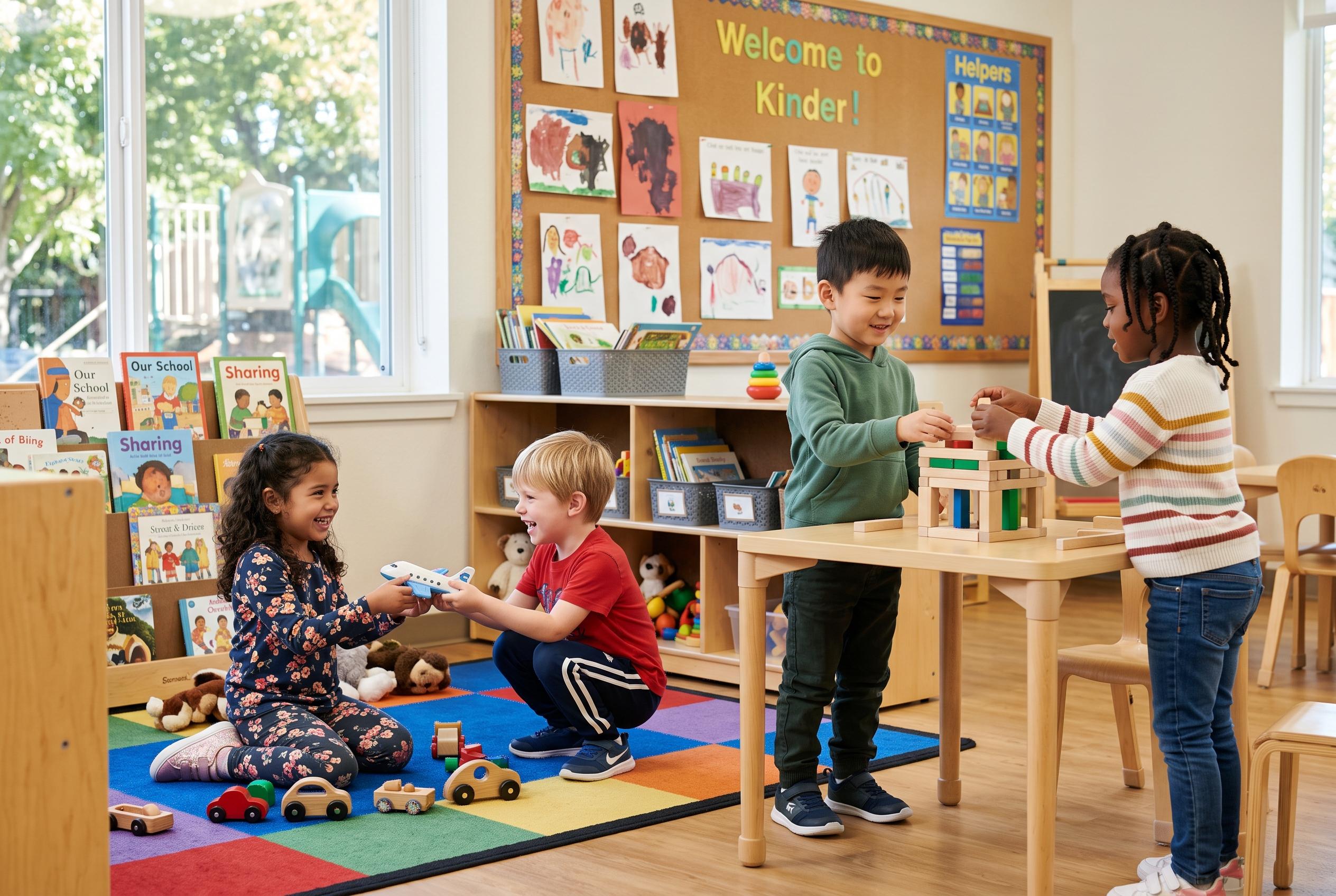

Simple activities like play and classroom visits can help children transition more smoothly into kindergarten, according to experts from National Heritage Academies.
Parents can ease a child into kindergarten by treating readiness as a mix of social, emotional and practical skills, according to National Heritage Academies. The company said simple steps such as visiting a playground or setting up pretend lessons at home can help children get used to new routines before the school year begins.
Sara Spear, a former lower elementary dean at Vista Charter Academy and now NHA’s manager of maths curriculum, said children often need help with the social side of school as much as the academic one. She said families can use play to practise sharing, solving disagreements and putting feelings into words, skills that help children settle more easily into the classroom.
Spear also suggested role-playing at home, with parents or older children acting as the teacher and everyday school items such as a backpack, paper and crayons helping to make the exercise feel real. The aim, she said, is to let children rehearse classroom routines in a low-pressure setting before facing the first day for real.
Ira Kleiman, principal of Westfield Charter Academy, said NHA’s kindergarten camps give incoming pupils a chance to visit classrooms, meet classmates and practise basic school routines over the summer. He said children who take part tend to separate from their families more quickly on the first morning, while parents are left with fewer tears at the door. Education resources from WebMD, UCSF Benioff Children’s Hospitals and other school-readiness guides broadly support the idea that there is no single test for kindergarten readiness, and that children usually benefit from gradual preparation across the year before they start.
Disclaimer: This content is for informational purposes only and is not intended to be a substitute for professional medical judgment, advice, diagnosis, or treatment.