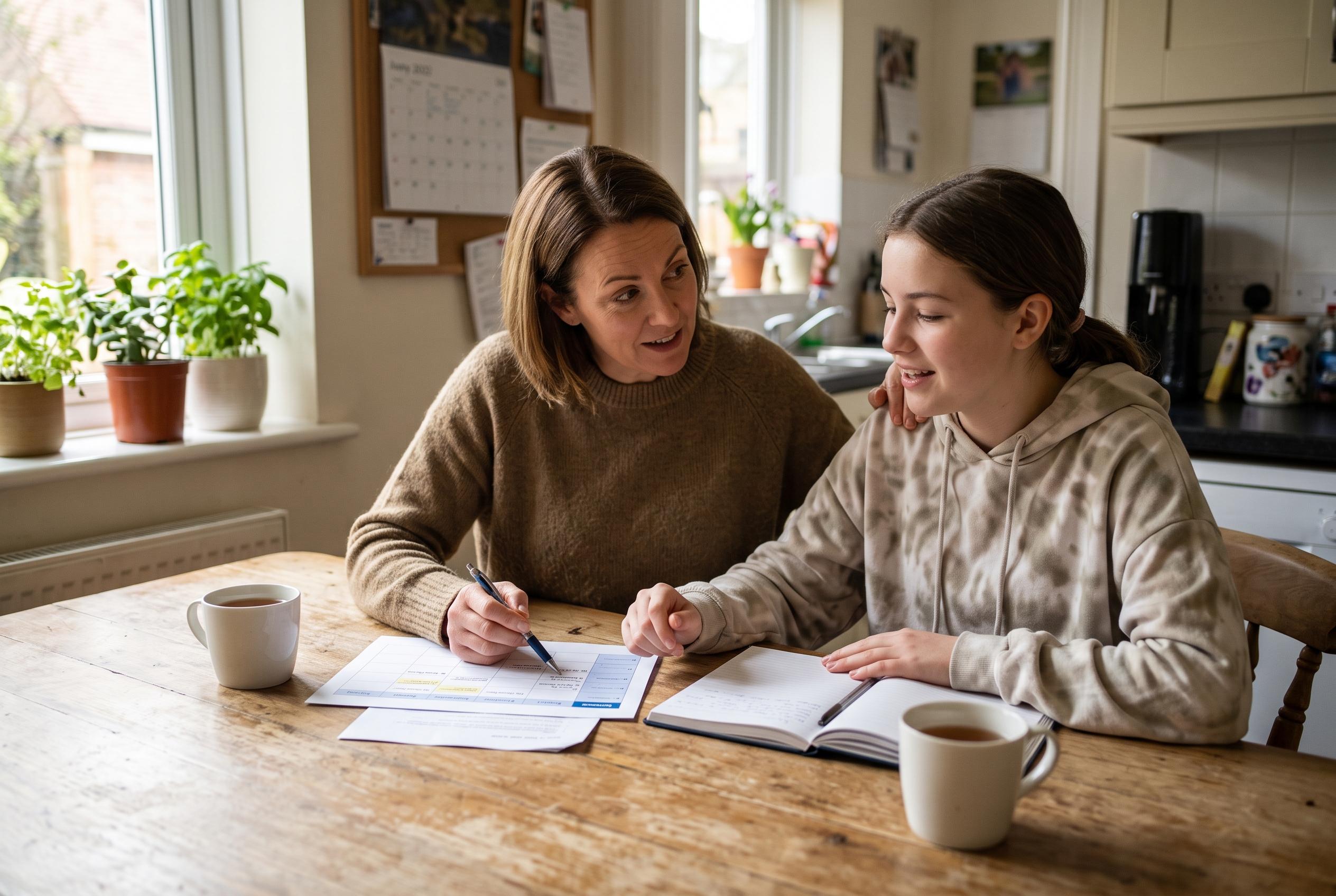

As the new school year approaches, experts advise parents to recognise and address teen anxiety directly, fostering resilience through supportive routines and open communication to ease the back-to-school transition.
As the new school year approaches, parents can do more than buy notebooks and pack lunches. They can help teenagers feel steadier by treating back-to-school nerves as real, not trivial. Dr Cameron Caswell, a psychologist who works with teens, told WRAL that adults often have the benefit of hindsight, while teenagers are living through the moment without that perspective. Her advice is simple: listen first, then help them think through what worries them most.
Caswell said parents should avoid brushing off concerns with quick reassurance. Instead, she recommends acknowledging the stress directly, asking what feels hardest and working through a response together. That may mean telling a teenager, “I see you, I’ve got you,” and making clear that whatever happens, support is not conditional on perfect grades or a smooth first week. Psychology Today has also argued that naming emotions and creating coping plans can help keep stress from becoming overwhelming.
Other mental health guidance for families points to practical steps that can ease the transition before the first bell rings. The Kids Mental Health Foundation recommends getting children back into school routines early, visiting a new school or classroom when possible, involving them in supply shopping and practising relaxation skills. Similar advice from SingleCare includes keeping sleep schedules steady and watching for signs of stress such as irritability or physical complaints.
Caswell also said middle and high school students often feel pressure to perform academically as soon as classes begin. She urged parents to praise effort as well as results, and to trust teenagers to help decide how they want to prepare. That approach lines up with wider advice from Psychology Today on building resilience through realistic goals, supportive relationships, healthy routines and sensible limits around technology during the school transition.
Disclaimer: This content is for informational purposes only and is not intended to be a substitute for professional medical judgment, advice, diagnosis, or treatment.