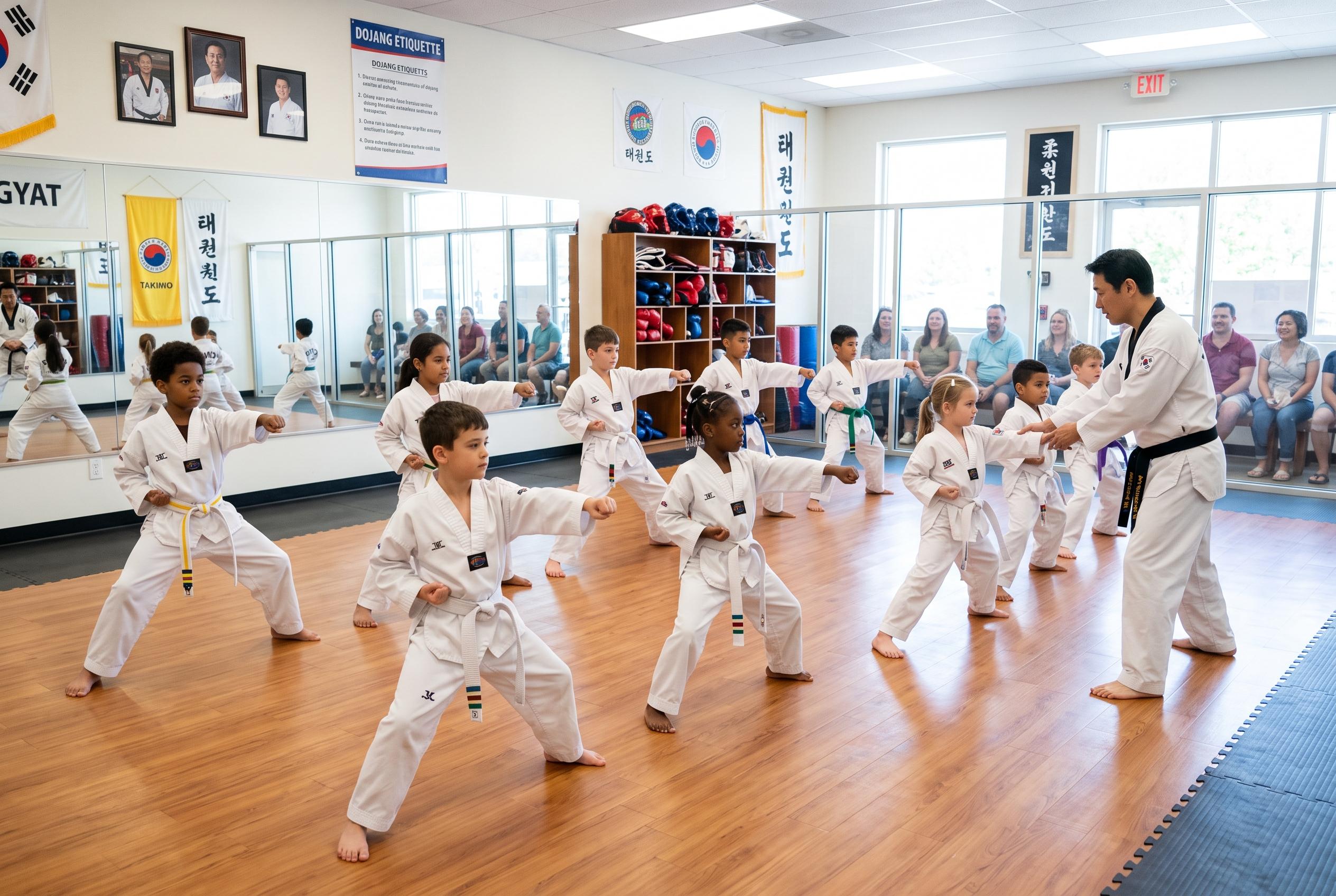

Selecting the right martial arts school for a child involves evaluating teaching quality, safety standards, progression systems, and overall atmosphere, ensuring a nurturing environment that promotes confidence, discipline, and respect.
Choosing a martial arts school for a child is about far more than finding a convenient class time or a polished sales pitch. The right programme should help build confidence, discipline and physical fitness, while also feeling safe and age-appropriate, according to HealthyChildren.org. Parents are often best served by watching a lesson in person and judging how the school works day to day rather than relying on brochures or uniform colours.
One of the clearest signs of a good setting is the way instructors speak to children. Healthy, effective classes tend to be led by teachers who encourage, correct calmly and give children a sense that mistakes are part of learning. Several martial arts organisations say those habits matter because they help young students develop respect, focus and responsibility, and because the instructor’s example often carries over into behaviour at home.
Safety should be treated as a basic requirement, not a bonus. Parents should check whether class sizes are manageable, whether mats and protective gear are in good condition and whether the school has clear rules on supervision and conduct. HealthyChildren.org says families should choose programmes that match a child’s age and maturity, which is especially important for younger children who need structure and close attention.
Progression is another useful test. A strong school should explain how children advance, what each level means and how effort is recognised along the way. Martial arts groups often emphasise rituals such as bowing, listening closely and following class routines because these habits help children build self-awareness and character, not just technique. That structure can also make lessons feel predictable, which many children find reassuring.
The overall atmosphere matters too. A welcoming school should feel organised, positive and calm, with children engaged rather than anxious. Parents should expect regular updates on progress and behaviour, whether through quick conversations after class, formal reviews or written communication. In the end, the best choice is usually the place where a child feels supported, challenged and eager to return.
Disclaimer: This content is for informational purposes only and is not intended to be a substitute for professional medical judgment, advice, diagnosis, or treatment.