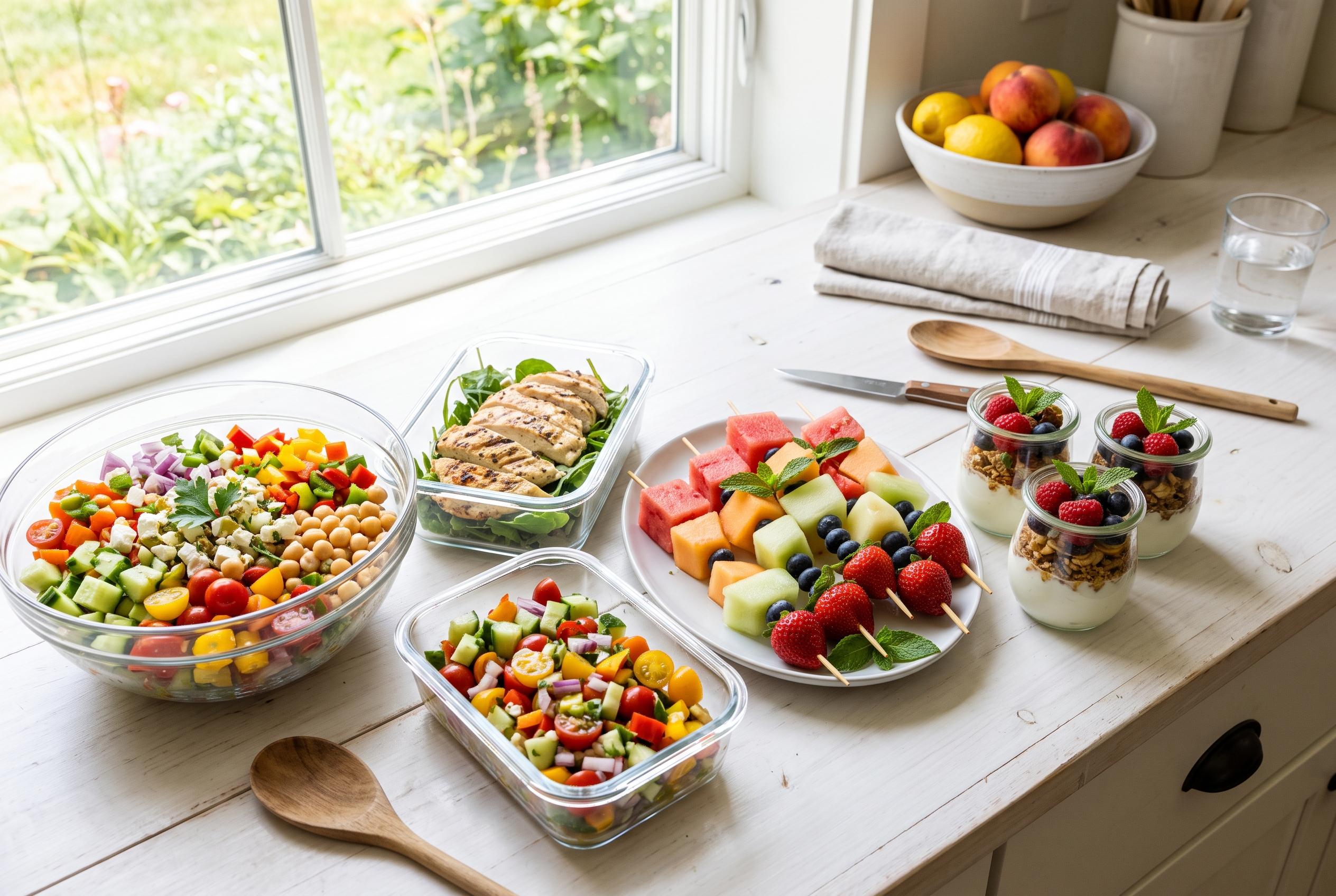

As temperatures soar, no-cook meal prep emerges as a practical solution for quick, fresh, and safe summer lunches, transforming household routines with effortless and portable cold dishes.
When the heat rises, the idea of switching on an oven can feel like a punishment. That is why no-cook meal prep has become such a practical summer habit: it lets people plan lunches and light dinners in advance, then rely on cold assembly, quick marinades and ready-to-use ingredients rather than heat and fuss. The result is a week of fresh meals that are faster to serve, easier to transport and less likely to end in a packet of emergency snacks.
The basic formula is simple. A good cold meal usually combines a starchy base, a protein source, plenty of crisp vegetables and a finishing touch of oil, herbs or seeds. That structure is what makes dishes such as couscous salads, bean bowls, tuna mixes and fish tartares work so well in hot weather, according to examples gathered by Deabyday and other recipe round-ups. It also explains why summer plates from La Cucina Italiana and AlFemminile often lean on fruit, cheese, cured meats and raw vegetables to keep things light but satisfying.
For anyone trying to build a week’s worth of lunches, the appeal is not just convenience. No-cook meal prep also helps reduce waste, because many dishes are designed around leftovers, pantry staples and ingredients that are already washed, chopped or jarred. That is a theme running through the Italian recipe ideas, where panzanella, stuffed tomatoes, couscous bowls and vegetable crudités are presented as quick ways to use up bread, ripe tomatoes and spare produce before they spoil. Vegan and vegetarian collections from Vago e Vego and AlFemminile show the same pattern, with chickpeas, avocado, olives, fruit and grains doing most of the heavy lifting.
Still, cold cooking needs a few rules. Food safety matters more in summer, especially when dishes include fish, eggs, mayonnaise or dairy. Keep meals chilled until serving, use insulated containers when travelling, and avoid leaving prepared food in the sun. Acid, such as lemon or vinegar, can improve flavour and texture, but it does not replace proper refrigeration. If raw fish is involved, it should come from a safe, previously treated source.
The smartest no-cook meals are also the easiest to pack. Layering matters in jars and boxes: wet dressings at the bottom, sturdier ingredients in the middle and delicate leaves on top. That keeps salads from turning soggy by lunchtime and gives the whole dish a fresher bite. The same approach works for office lunches, beach bags and family picnics, where portability can matter as much as taste.
In practice, that means summer meal prep is less about complicated recipes than about a repeatable system. A few good bases, a handful of proteins, sharp seasonal vegetables and a sensible storage routine can carry a household through the hottest weeks without much effort. For busy parents and caregivers, that can be the difference between a rushed, expensive lunch and a meal that is ready, cool and genuinely welcome.
Disclaimer: This content is for informational purposes only and is not intended to be a substitute for professional medical judgment, advice, diagnosis, or treatment.