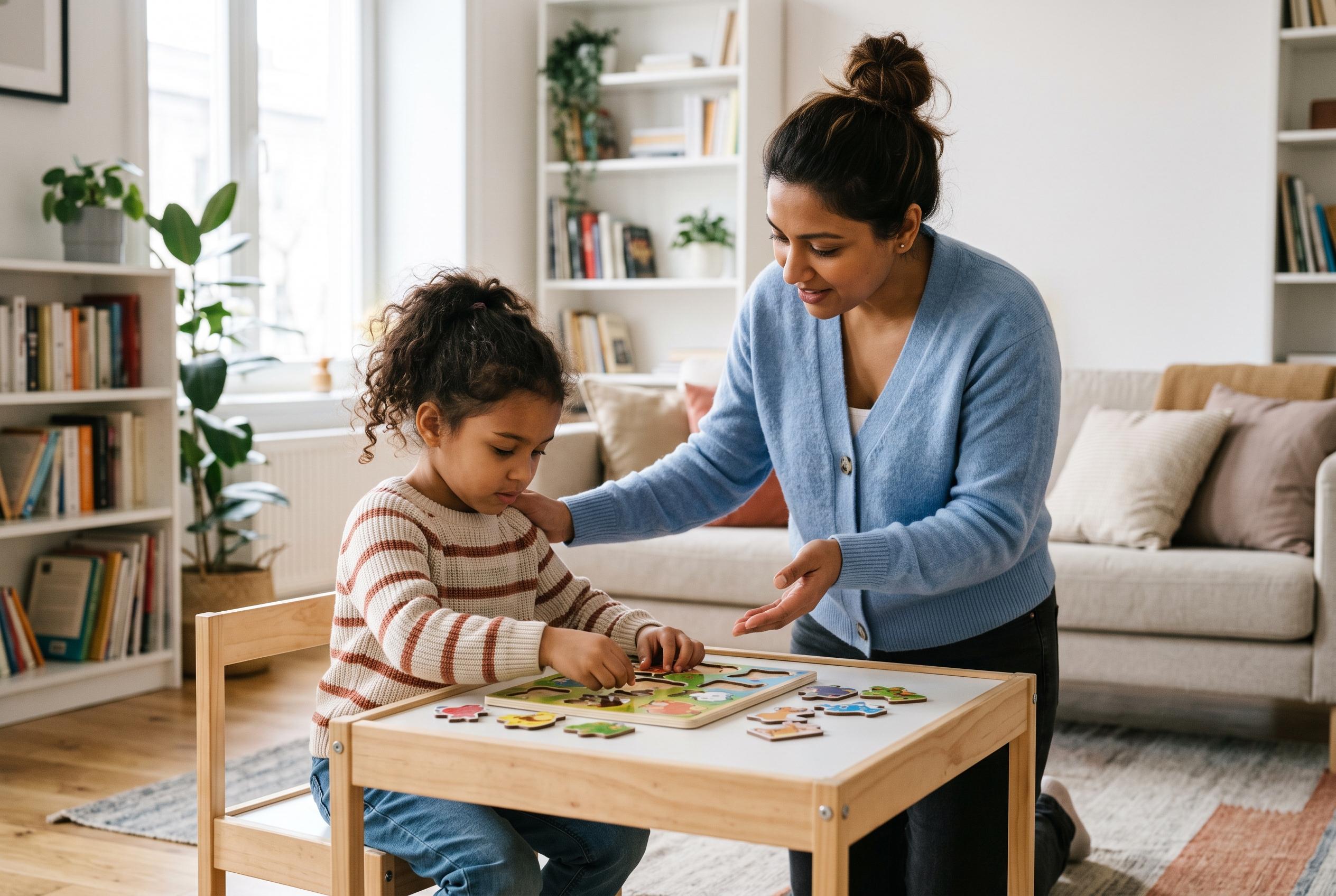

A shift in approach encourages adults to guide children through problem-solving processes, helping them build confidence and resilience for future challenges in school, friendships, and beyond.
Children learn how to solve problems best when adults resist the urge to step in too quickly and instead guide them through the thinking process. In homes and classrooms, that approach is gaining traction as parents and teachers look for ways to build confidence, independence and resilience in children who must deal with everything from friendship disputes to homework setbacks.
According to the lead article, problem-solving is increasingly being treated as a skill in its own right, not just an incidental part of maths or reading. That view is echoed by Nationwide Children’s Hospital, which says children who do not develop these skills may freeze, avoid action or give up when faced with difficulty, while those who do learn to solve problems tend to grow more confident and adaptable.
The first step is helping children identify the real issue. Instead of supplying an instant answer, adults can ask what is actually wrong, what is getting in the way and what options might exist. Nationwide Children’s recommends teaching problem-solving in a sequence, while the Watson Institute describes a similar four-part method: define the problem, brainstorm possible solutions, choose one to try and then review how it went. That structure helps children see setbacks as part of learning rather than proof that they have failed.
The related summaries also show that everyday life offers plenty of practice. Rasmussen University notes that ordinary tasks, including chores, can become chances to think critically, make choices and work through small challenges. PBS Parents points out that problem-solving is closely tied to number sense and early maths, because children must understand what numbers mean before they can use them in real situations. Creative play matters too: building blocks, puzzles, dress-up games and other hands-on activities encourage children to plan, test and adjust without pressure.
The wider lesson for parents and caregivers is simple: children do not need perfection, they need practice. Letting them struggle a little, asking open-ended questions and praising the effort after they have worked through a difficulty can build lasting confidence. As the lead article suggests, a child who learns to handle small problems today is better prepared for larger ones later, whether those involve school, friendships or work.
Disclaimer: This content is for informational purposes only and is not intended to be a substitute for professional medical judgment, advice, diagnosis, or treatment.