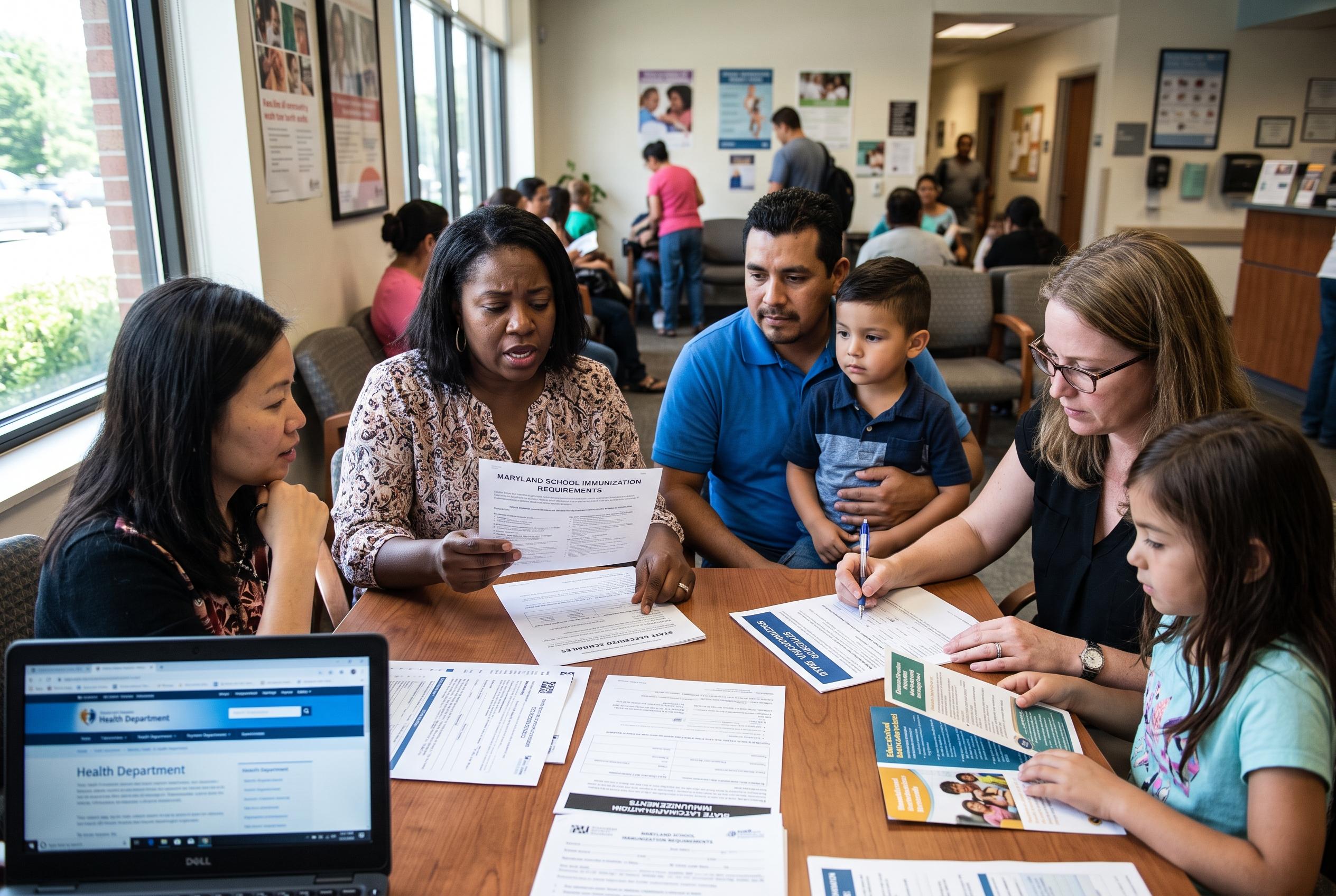

As families gear up for the new school year, vaccination requirements differ across states, influencing immunisation rates and public health policies amid ongoing debates over exemptions and mandates.
Families preparing for the new school year are likely to run into the same question: which vaccines are required before a child can enrol? The answer depends on where they live, because state rules on school immunisation vary, and the CDC says these requirements are designed to keep vaccination coverage high and reduce the spread of vaccine-preventable diseases.
According to the CDC, most states require children to have vaccines against diseases such as measles, mumps, rubella, polio, diphtheria, tetanus and pertussis before attending school. The agency says states also differ on whether they allow medical, religious or philosophical exemptions, which means parents often need to check the rules that apply in their own state rather than relying on a national standard.
The CDC’s Public Health Law Program says vaccination laws also extend beyond school entry in some places, with separate requirements for healthcare workers and patients in certain settings. Its legal resources show that states continue to take different approaches to immunisation policy, reflecting local public health priorities and state statutes rather than a single federal rule.
For parents and caregivers, the practical step is to confirm the current requirements through state health or education authorities and speak with a child’s doctor if records are incomplete. Public health officials say timely vaccination remains one of the most effective ways to prevent outbreaks, especially in schools where infections can spread quickly among large groups of children.
Disclaimer: This content is for informational purposes only and is not intended to be a substitute for professional medical judgment, advice, diagnosis, or treatment.