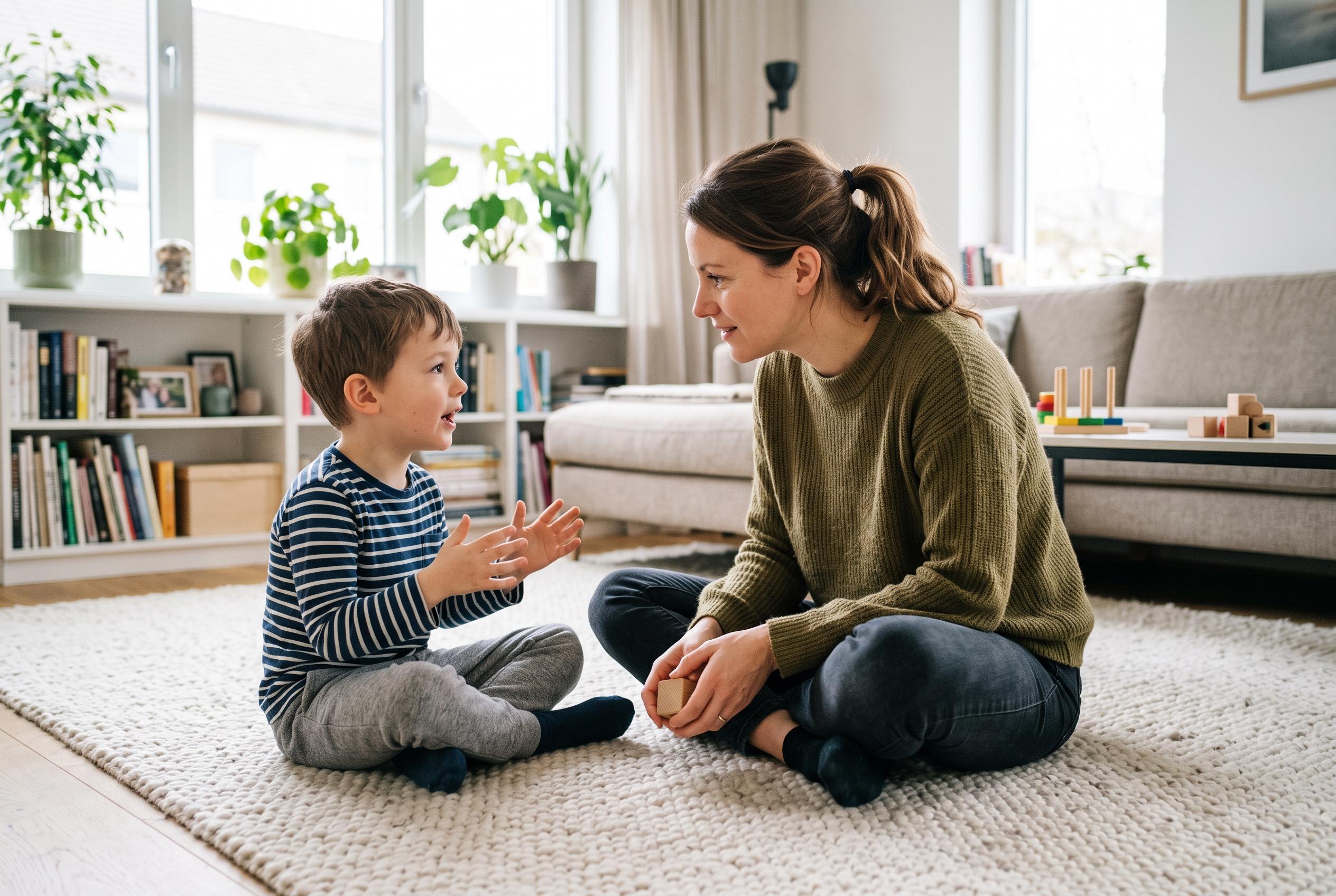

Human development expert Tarek Elias advocates for balanced guidance, emotional understanding, and open communication as key principles for raising stable children, warning against fear-driven control and parental anxiety.
Child upbringing works best when it is guided by balance, not fear or control, according to human development expert Tarek Elias, who says parents need to focus on three core principles if they want to raise a child with a steady personality. Speaking on Cairo News Channel on Tuesday, Elias said the first is the difference between guidance and emotional possession, warning that some parents try to shut down a child’s feelings instead of helping the child understand them.
He said stopping a child from crying, speaking or showing anger out of fear that the child may become rebellious can create emotional repression. In his view, parents should guide, not dominate, a child’s emotional life. That point matches broader advice in other parenting guides that stress the importance of healthy, balanced upbringing for a child’s physical, mental and emotional development.
Elias said the second issue is the gap between normal protection and unhealthy anxiety. He argued that there is a difference between reasonable care and a constant expectation that something bad will happen, such as excessive worry over a child going out, playing or spending time away from home. He added that repeated monitoring, including unnecessary school visits or constant checks, may reflect parental anxiety rather than affection, and can send the child the message that he or she is not trusted to cope.
His third and most important point was the need to avoid severe conflict between parents in front of their children. Threats and intimidation between spouses, he said, can leave a child feeling unsafe and make home seem unstable. Elias said parents should not do everything for their children, but should help them grow into independent people capable of learning through experience and mistake. That approach also depends on regular dialogue, which other family-focused articles have described as vital for trust, emotional security and stronger parent-child bonds. Elias said parents should speak to their children often, ask about their day, school and feelings, and try to build a friendship grounded in attention, discipline and warmth.
Disclaimer: This content is for informational purposes only and is not intended to be a substitute for professional medical judgment, advice, diagnosis, or treatment.