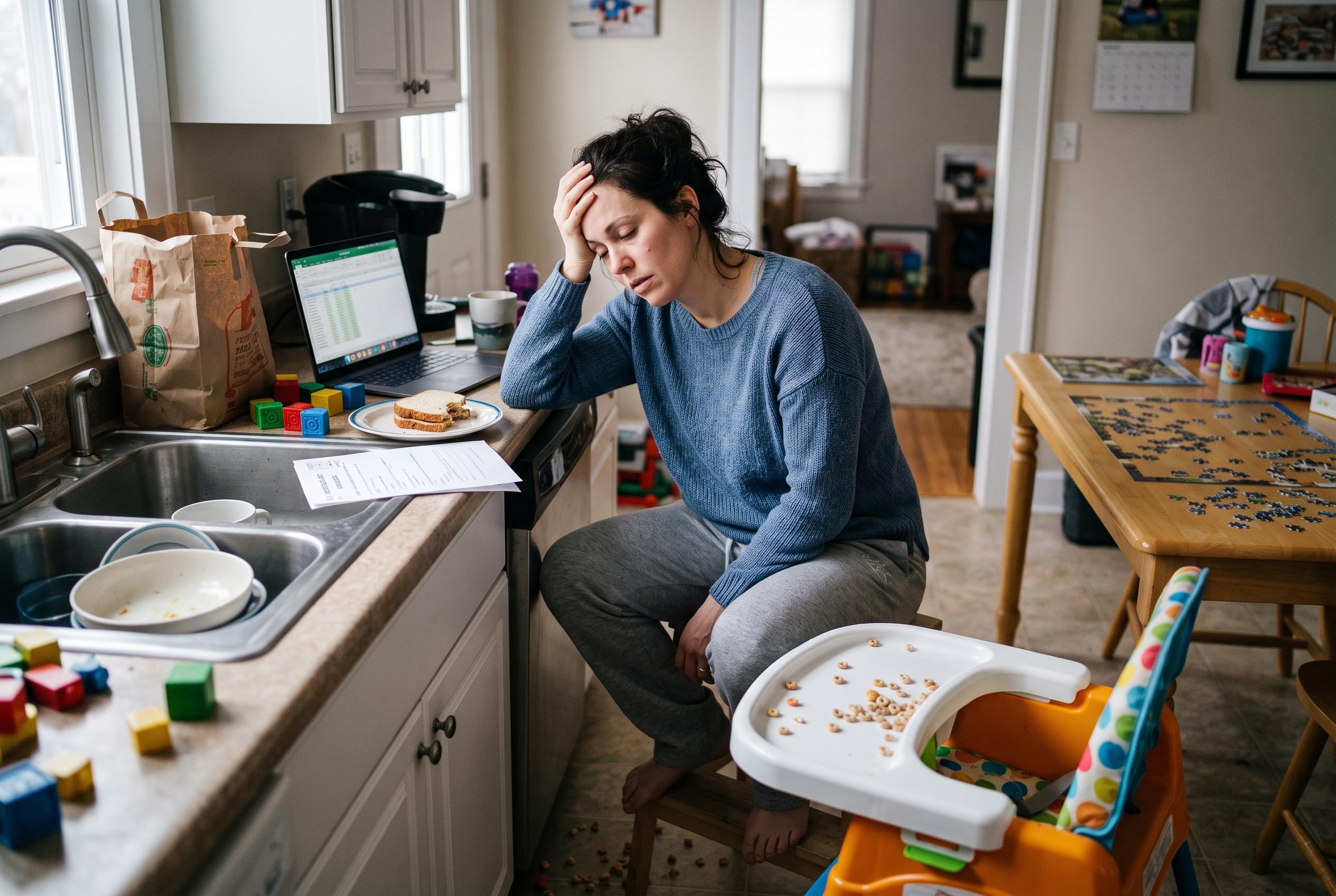

Expert insights reveal that emotional dysregulation is a significant but often overlooked aspect of adult ADHD, influencing daily life and relationships, with new focus on recognising and managing its symptoms.
Emotional dysregulation may be one of the less discussed signs of ADHD, but experts say it can shape daily life just as much as forgetfulness or disorganisation. As awareness of adult ADHD has grown, so has the recognition that many people live with symptoms that are not always obvious at first glance.
According to Psychologies, Dr Suzanne Wylie, a clinical adviser to iQ Doctor, describes emotional dysregulation as a state in which feelings become larger and harder to control than the situation justifies. In practical terms, that can mean a minor irritation, such as spilling a drink, sparks an outsized burst of anger, frustration or tears. Rather than a simple personality trait, she says it reflects the way ADHD can affect the brain’s handling of emotion.
That link matters because ADHD is not only about attention and activity levels. Simply Psychology says emotional dysregulation affects a large share of people with ADHD, with estimates commonly ranging from around half to about seven in 10 adults. The condition can leave people reacting quickly and then taking longer to settle, which can strain relationships, work and home life. Healthline adds that the issue is tied to differences in the brain systems involved in emotional control, including the way the prefrontal cortex helps regulate the amygdala.
Wylie advises people not to assume every strong reaction is ADHD-related, particularly because anxiety and depression can occur alongside the condition. She says the clue is often a pattern that is intense but brief, triggered by something specific and present over a long period rather than appearing suddenly. If that sounds familiar, she says it is worth speaking to a GP rather than trying to self-diagnose.
Management starts with longer-term habits. Psychologies reports that Wylie recommends prioritising sleep, regular exercise and learning personal triggers. Other experts say therapy, including CBT, can help people build practical coping skills, while medication may also reduce how quickly feelings escalate. In the moment, she suggests stepping away, using cold water, taking a brisk walk or trying slow breathing, along with a simple exit line such as, “I need five minutes.” She also notes that women and girls are still more likely to be told they are merely anxious or overly sensitive, which can delay diagnosis and leave emotional symptoms unrecognised.
Disclaimer: This content is for informational purposes only and is not intended to be a substitute for professional medical judgment, advice, diagnosis, or treatment.