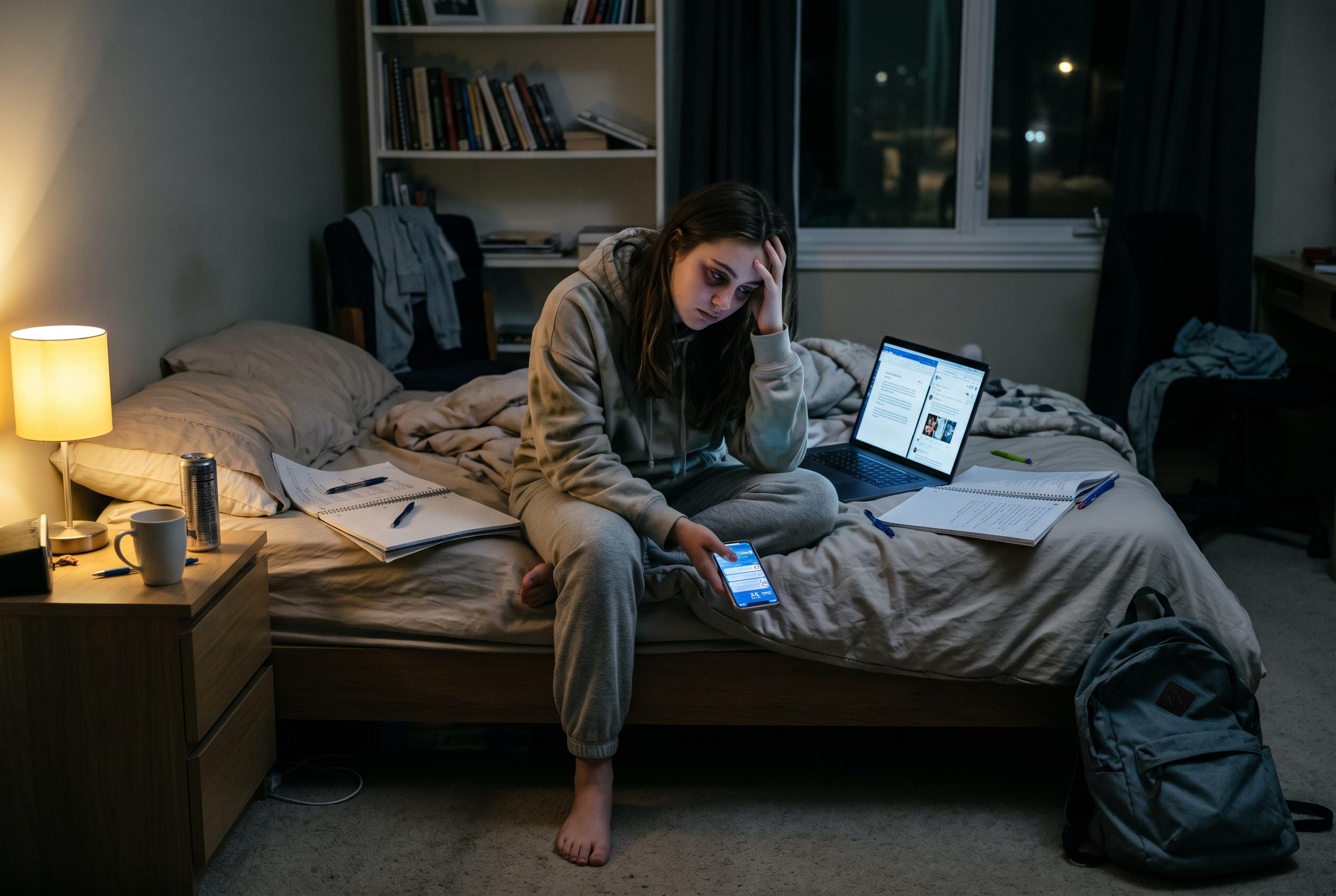

Adolescents are increasingly sleep-deprived due to modern routines and digital habits, impacting their mood, focus, and overall wellbeing, with experts warning of long-term health risks.
Teenagers who do not get enough sleep may be doing more than coping with a groggy morning. According to Johns Hopkins Medicine and the Sleep Foundation, adolescents generally need about 8 to 10 hours of sleep a night, while puberty can shift their body clocks later and make early bedtimes harder. That matters because sleep supports concentration, mood and decision-making, and when it is short or poor in quality, the effects can spill into school, friendships and daily functioning.
For West Chicago Community High School junior Trent Perlman, those effects show up in the classroom and in conversations. He says tiredness makes it harder to stay alert, remember simple material and keep up with schoolwork, while also leaving him less able to take part socially. School psychologist Karen Szot says recurring sleep problems that interfere with emotions, judgement or ability should not be ignored, and may warrant professional support.
Sleep deprivation is not the same as insomnia, though the two are often confused. Cleveland Clinic describes sleep deprivation as not getting enough sleep, whether because of too few hours or poor-quality rest, while insomnia is a sleep disorder that makes it difficult to fall or stay asleep. The Sleep Foundation says common signs include fatigue, low mood and trouble concentrating, and notes that persistent sleep loss can become a broader health concern rather than just a temporary inconvenience.
In schools, the causes are often ordinary but powerful: homework, early starts, packed sports schedules, caffeine and late-night phone use. Brigid Clark, a psychology teacher at West Chicago Community High School, says teenagers are often caught in a cycle of classes, practice, work and study that leaves little room for recovery, while digital media makes it easier to stay awake far later than intended. The Sleep Foundation and Sleep.com both link chronic sleep loss in teenagers with worse emotional regulation and a higher risk of mental health problems, including depression and anxiety.
Disclaimer: This content is for informational purposes only and is not intended to be a substitute for professional medical judgment, advice, diagnosis, or treatment.