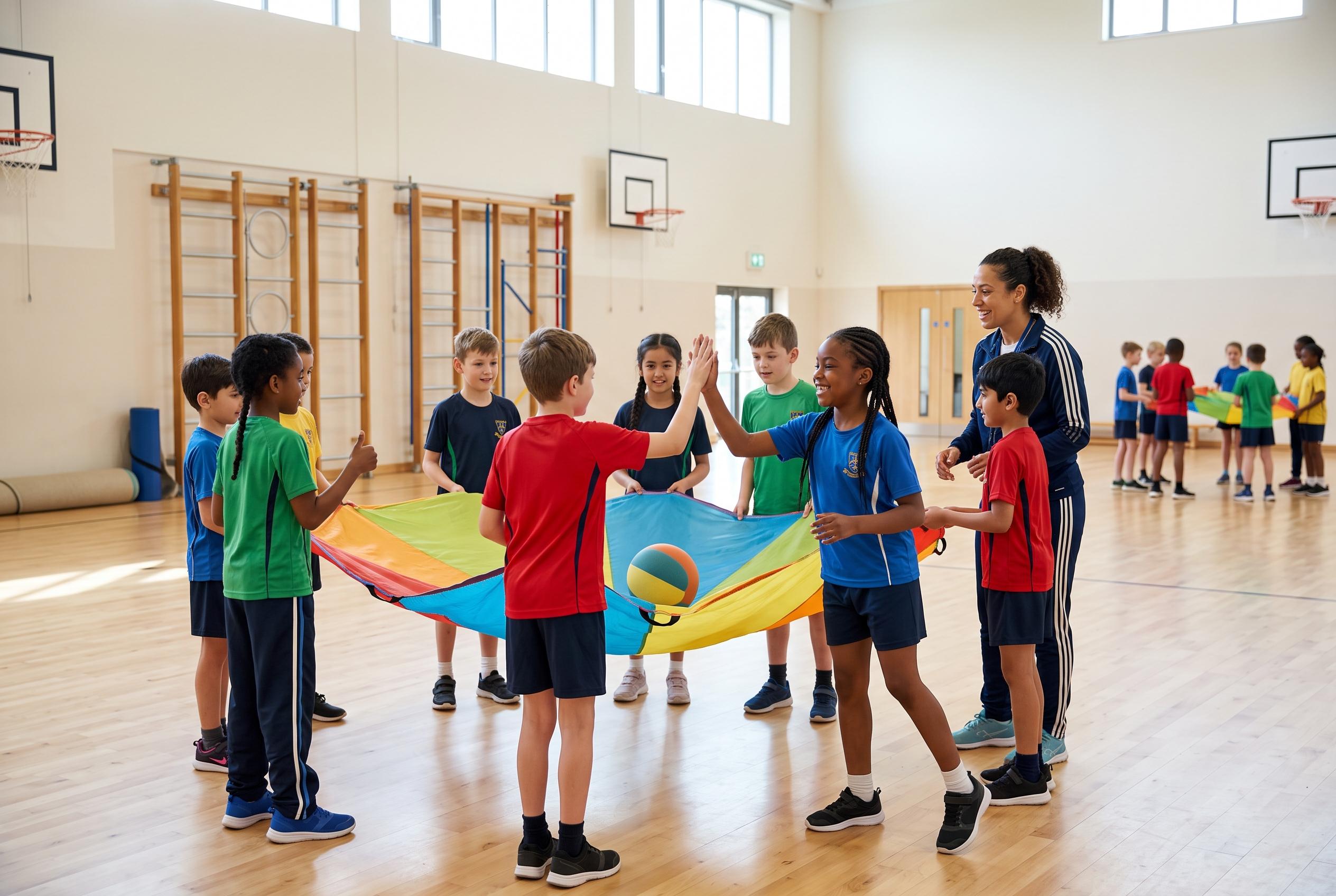

A new collection of studies highlights how emotion, motivation, and social context are transforming the approach to sport and PE, emphasizing mental wellbeing alongside athletic performance.
Psychological factors are shaping physical education and sport more than ever, according to an editorial in Frontiers in Psychology that pulls together recent studies on how thinking, emotion and social context influence performance, participation and wellbeing. The authors argue that sport psychology is no longer limited to elite competition, but is increasingly relevant to school PE, youth development and lifelong activity.
The editorial says the latest collection of papers spans cognitive science, education, social psychology and data-driven methods. Among the themes highlighted are temporal and spatial processing in athletes, visual and motor development in children, and the role of confidence, self-perception and self-efficacy in whether people stay active. It also points to new measurement tools and machine-learning models that may help researchers predict exercise habits more accurately.
A recurring finding across the studies is that motivation and emotion are tightly linked. Research discussed in the editorial suggests that supportive PE settings can increase enjoyment and reduce boredom, while theories such as Self-Determination Theory remain central to understanding how autonomy, competence and relatedness shape behaviour. Other studies cited in the collection examine grit, growth mindset and perseverance, as well as the way digital environments, fitness livestreams and gamified apps can either encourage or undermine participation.
The authors also stress that psychological effects are context-dependent. They cite work showing cultural differences in how football experts value traits such as game intelligence and confidence, and studies suggesting that structured interventions can sometimes reduce participants’ sense of competence when they become more aware of their limitations. The broader message, drawing on earlier Frontiers research and related reviews, is that PE and sport work best when emotional regulation, cognitive flexibility, attentional control and resilience are treated as core parts of training rather than extras.
In their conclusion, the authors call for more longitudinal research to establish cause and effect, especially as virtual reality, social media and e-sports become more closely tied to physical activity. They argue that coaches, teachers and practitioners should use these findings to build environments that support both performance and mental health.
Disclaimer: This content is for informational purposes only and is not intended to be a substitute for professional medical judgment, advice, diagnosis, or treatment.