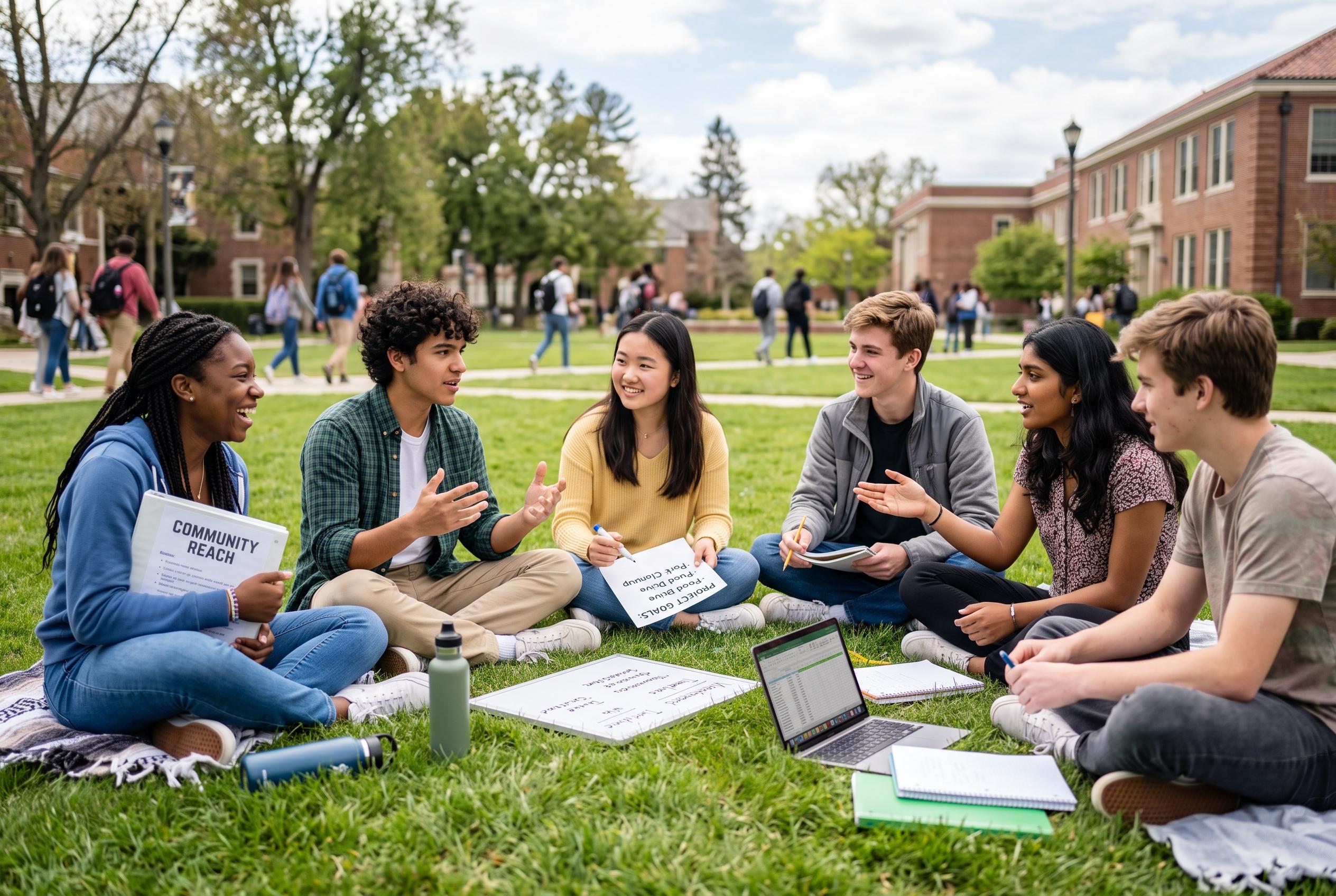

Admissions practices prioritise meaningful involvement and character-building activities beyond traditional school clubs, emphasising authenticity and sustained commitment over sheer volume of pursuits.
For college admissions, extracurricular activities are far broader than the familiar list of school clubs, captains and committee posts. The Ivy Institute says the term covers anything a student does outside the required academic curriculum, and that admissions readers are looking for evidence of how applicants use their time beyond class, not a standard formula of sport, music and leadership titles. That wider view matters because many valuable commitments never appear on a school activities fair: caring for a younger sibling, holding down a job, helping at home, building an app, tutoring neighbours, taking part in a faith community or pursuing a serious interest that the school does not offer.
That broader definition is echoed by College Board’s BigFuture, which says colleges look beyond grades to understand a student’s interests and strengths, including internships, volunteering and part-time work. Forbes Advisor and CollegeVine likewise stress that depth matters more than volume: admissions offices tend to value sustained involvement, initiative and growth over a crowded list of lightly held activities. In practice, that means a student who has spent years developing one or two commitments may present a stronger case than someone who has sampled many activities without much follow-through.
The common thread across the guidance is that students should focus on what is genuine, not what seems impressive on paper. College Transitions notes that extracurriculars can range across sport, arts, STEM, entrepreneurship and community service, while BestColleges says the strongest choices usually reflect a student’s real interests and background. For parents and caregivers, the useful takeaway is simple: colleges are not only counting titles.They are trying to understand how a young person has used time, shown responsibility and built character outside the classroom.
Disclaimer: This content is for informational purposes only and is not intended to be a substitute for professional medical judgment, advice, diagnosis, or treatment.