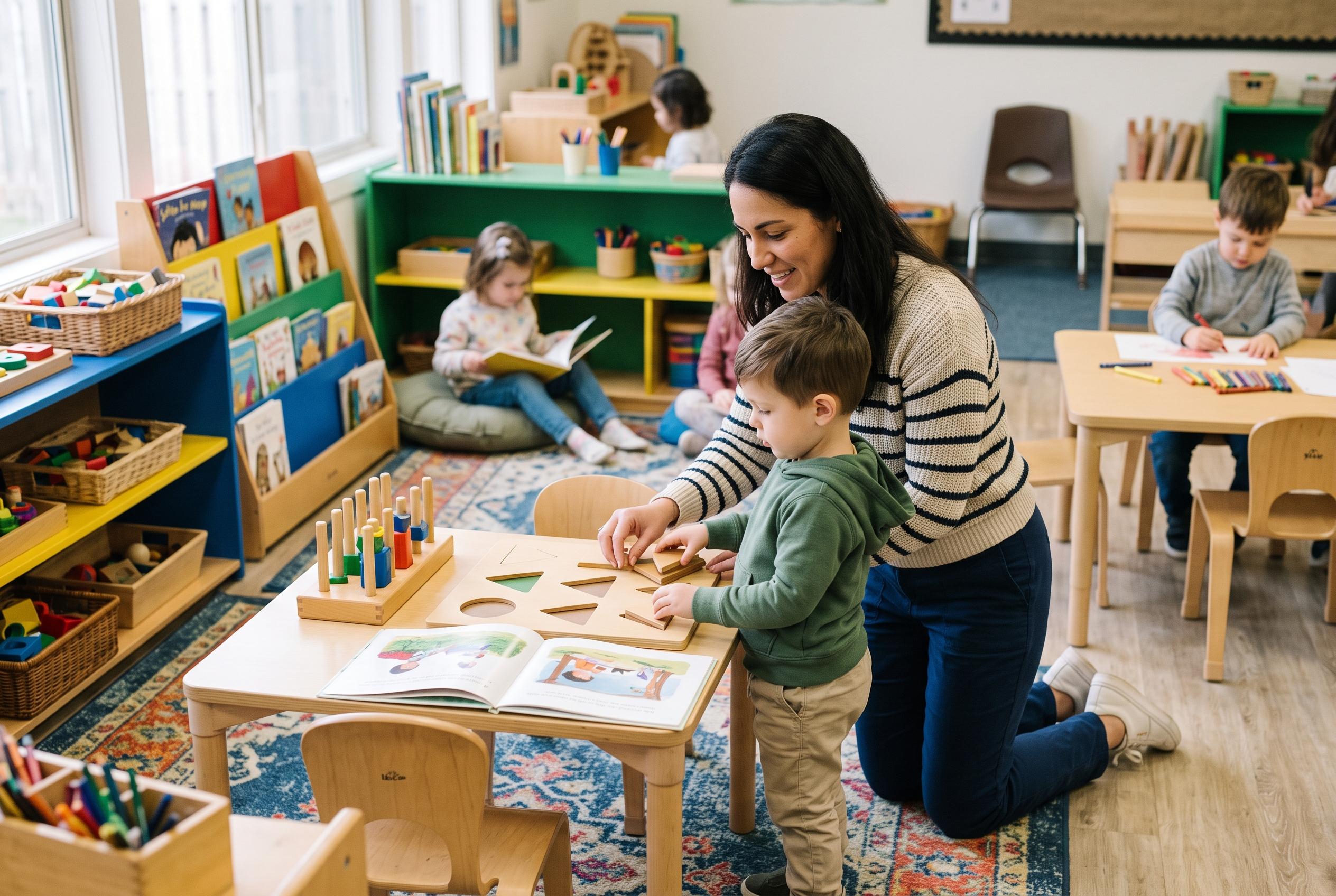

A trial request for a shadow teacher at preschool may signal suitability rather than failure, highlighting the importance of tailored support and integrated intervention for children’s development.
A preschool trial that ends with a request for a shadow teacher can feel like a setback, but it is usually a sign of fit rather than failure. According to Total Communication’s explainer, the issue is often not whether a child is capable, but whether the classroom can currently meet that child’s needs safely and consistently without extra support.
What preschools are really watching is not early academic ability, but day-to-day classroom readiness: following routines, moving between activities, responding to group instructions and asking for help when needed. Shadow support is designed to bridge that gap by helping a child navigate a busy classroom in real time, while keeping them engaged with the lesson and the routine.
Communication sits at the centre of that challenge. Shadow Advantage has argued that a child may be bright and willing to learn, yet still struggle if they cannot understand instructions, express frustration or manage social interaction confidently. Its guidance says shadow support can help immediately, but real progress is stronger when it is paired with speech and language therapy and other interventions that build those underlying skills.
That approach depends on coordination. When therapy goals, classroom support and home routines reinforce one another, children hear the same expectations in different settings and are more likely to use a skill beyond one room or one adult. Total Communication says practical steps can include practising short routines at home, targeting functional classroom language in therapy and sharing strategies across the child’s support team.
For parents, the emotional strain can be just as heavy as the practical one. A trial rejection can bring worry about money, time and the sense of being alone, yet the message from both organisations is that readiness tends to grow gradually. A shadow teacher is not necessarily a permanent answer, but part of a broader plan that can help a child move towards greater independence over time.
Disclaimer: This content is for informational purposes only and is not intended to be a substitute for professional medical judgment, advice, diagnosis, or treatment.