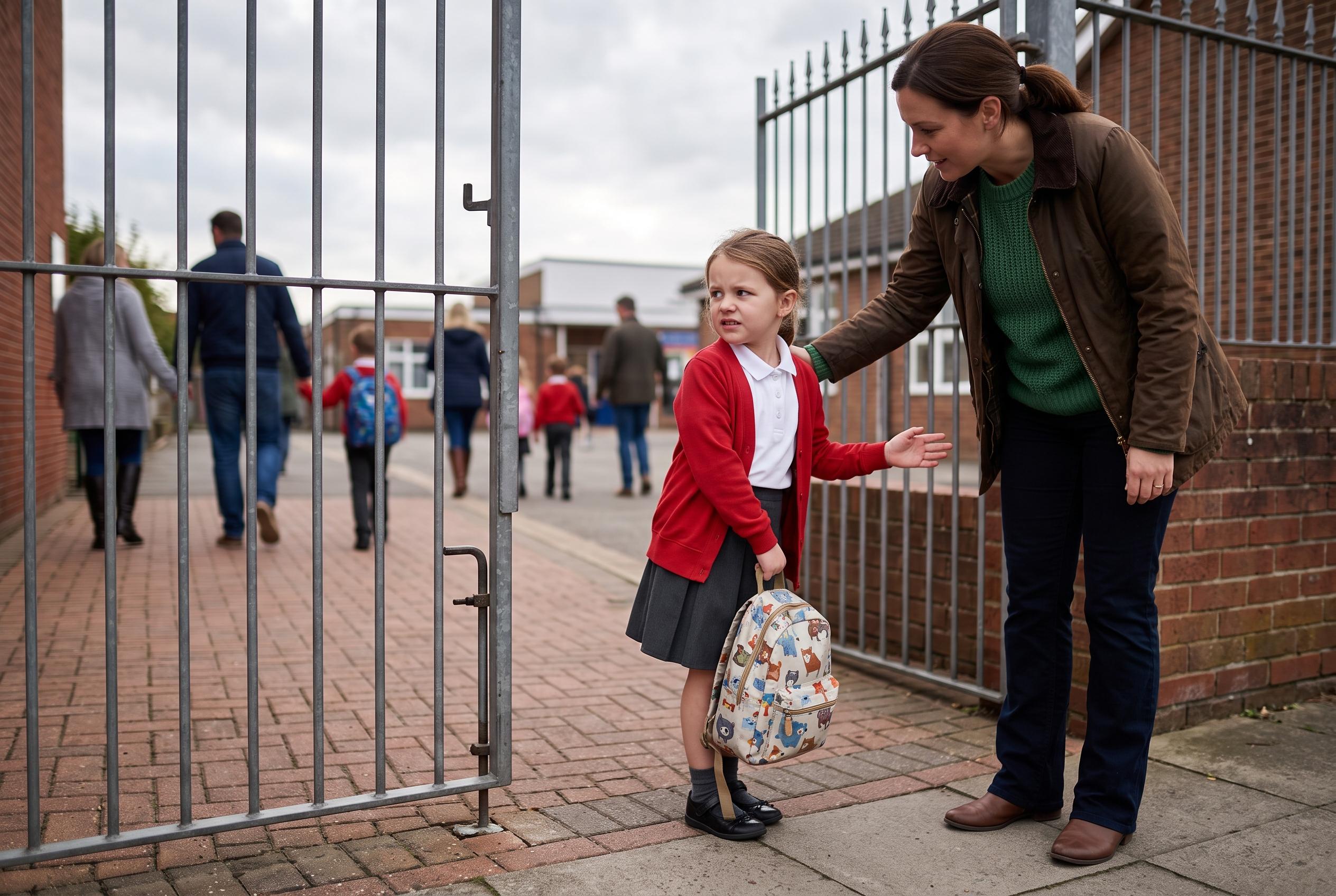

Parents should watch for patterns like physical complaints or withdrawal as children resisting school may be experiencing anxiety, experts warn. Early intervention and support at school can prevent long-term disruption.
A child who regularly complains of headaches or stomachaches, or who suddenly begins resisting the school run, may be showing more than ordinary nerves. School psychologists in Bowling Green, Kentucky, say those patterns can point to school avoidance, a term that covers repeated reluctance or refusal to attend school and is often tied to anxiety, social pressure or academic strain.
According to HealthyChildren.org, children who are trying to avoid school may describe vague physical symptoms they cannot easily explain, such as stomach pain or headaches. The Kids Mental Health Foundation says the problem can affect as many as 28% of children, with students aged 10 to 13 and those moving between schools especially vulnerable.
Meaghan Hammer, a school psychologist with Bowling Green Independent School District, told WNKY that some anxiety is a normal part of childhood, but concern grows when it starts to disrupt daily life. She said parents should watch for repeated patterns rather than isolated difficult mornings. Younger children may complain of being unwell, while older pupils may become withdrawn, sleep poorly or lose their appetite. Alex Wright, another district psychologist, said the return from summer or another long break can be particularly hard for younger children as routines and expectations change again.
Experts say the challenge is to take a child’s fear seriously without making staying home the easy answer. Hammer said parents can acknowledge the feeling while still reinforcing attendance, because anxiety can cause very real physical symptoms. Wright advised helping children notice the positive parts of the day as well, so one bad moment does not define the whole school experience.
Additional help may be needed when school avoidance starts affecting sleep, eating, friendships or everyday routines. Education and mental health specialists say a trusted adult at school, such as a teacher, counsellor or psychologist, can make a major difference by giving a child a consistent person to turn to. School districts and children’s health groups also recommend acting early, because prolonged absences can quickly lead to academic setbacks and wider social problems.
Disclaimer: This content is for informational purposes only and is not intended to be a substitute for professional medical judgment, advice, diagnosis, or treatment.