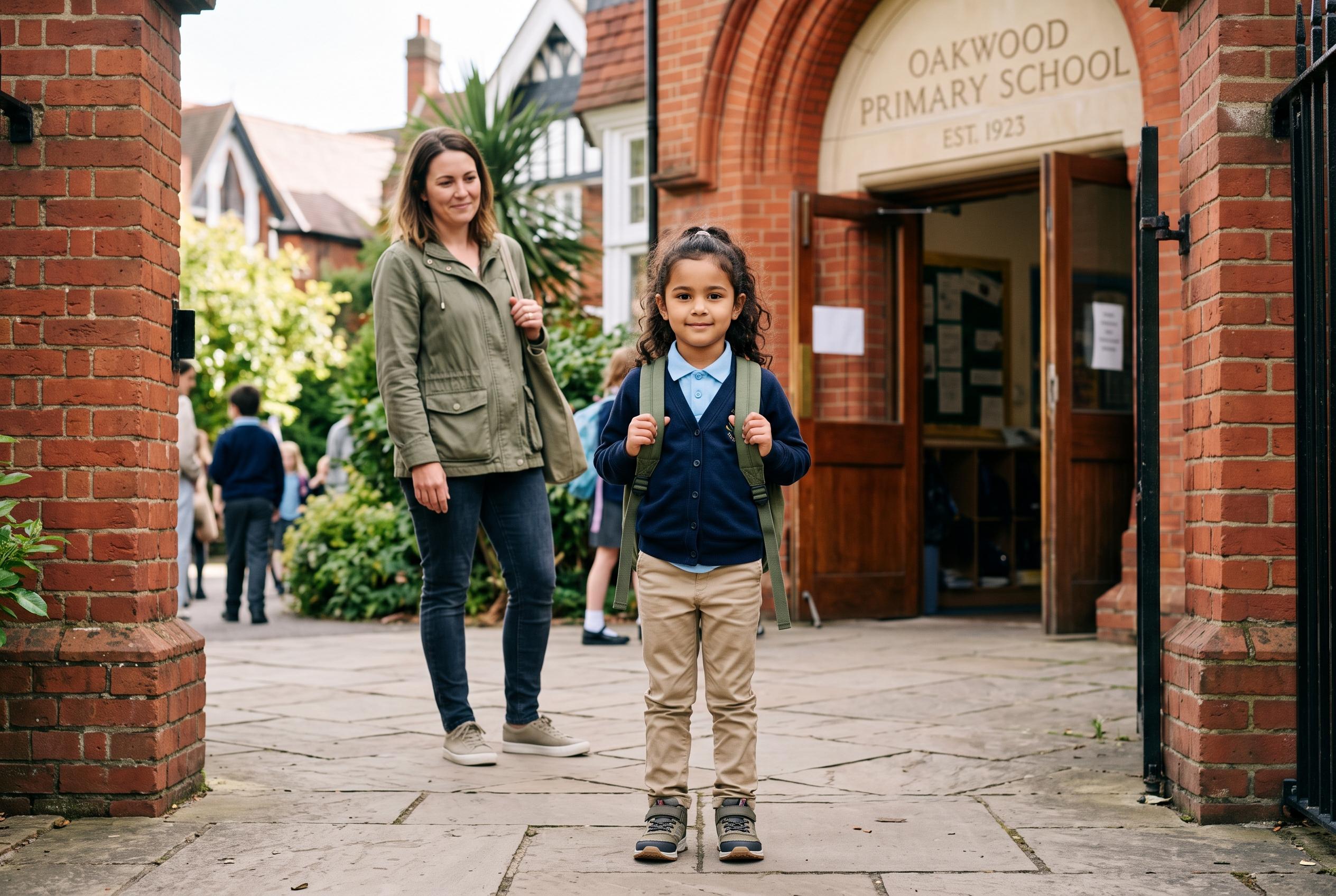

Experts and parent organisations emphasise that emotional awareness, social skills, and self-care are crucial for children’s successful transition into school, shifting focus from reading ability to holistic readiness.
Many parents focus on whether a child can already read before starting school, but the Parents association says that is only one part of the picture. What matters more, it argues, is whether the child can cope with a new setting, follow routines, build relationships and begin to act independently. In practice, readiness for first grade is less about racing through books and more about having the confidence and habits needed to settle into classroom life.
Among the key skills the organisation highlights is the ability to ask for help when something is unclear. Just as important are patience, turn-taking and the capacity to listen to others, which help children function in a shared classroom. The association also points to everyday self-care, such as dressing, fastening buttons and packing away belongings, as well as looking after a schoolbag, books and stationery.
The broader guidance from child-development resources mirrors that view. GreatSchools says first graders are usually expected to grow in social, physical and academic independence at the same time, while Understood notes that early literacy, basic numeracy and the ability to follow simple instructions all play a part in a successful start. Those resources also stress that children do not need to arrive at school fully formed; instead, they benefit from gradual practice at home and in nursery settings, whether that means concentrating on a puzzle, recognising letters or counting objects during play.
The Parents association also places strong emphasis on emotional awareness. Children who can say they are worried, angry or upset are often easier to support, because adults can respond before small concerns become larger problems. The underlying message is straightforward: first grade is not a test of who can read first, but the beginning of a longer journey in which children learn to cooperate, manage themselves, cope with mistakes and approach school with curiosity.
Disclaimer: This content is for informational purposes only and is not intended to be a substitute for professional medical judgment, advice, diagnosis, or treatment.