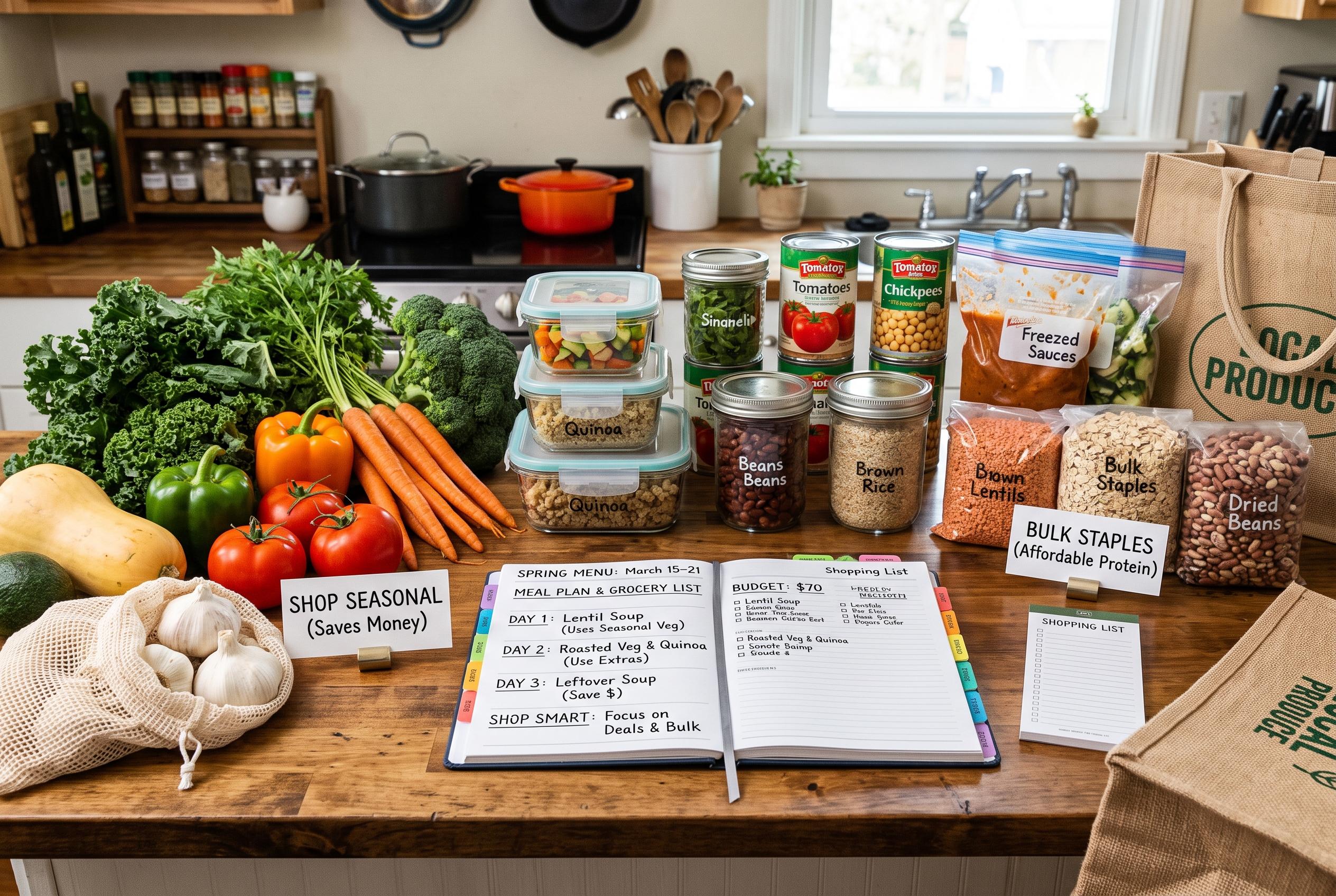

Practical strategies such as planning meals around seasonal produce, bulk buying protein, and using frozen or canned foods can help families eat healthily without overspending, says nutrition experts.
Eating well on a tight budget is less about buying special ingredients and more about making small, practical choices before and during the weekly shop. Texas A&M AgriLife Extension Service programme manager Odessa Keenan, who works in the Texas A&M Department of Nutrition, said families can often cut costs by planning meals around their schedules, buying what is on offer and keeping affordable staples in the kitchen. The CDC also says meal planning can help people build healthier menus without overspending, while the Mayo Clinic Health System notes that checking what is already in the fridge, freezer and cupboards can reduce waste and avoid duplicate purchases.
Keenan said a realistic meal plan works best when it fits the week ahead. Busy evenings are better suited to simple dishes such as one-pan dinners, one-pot meals or skillet recipes, while more involved cooking can be saved for days with more time. The CDC recommends a similar approach, encouraging shoppers to think ahead so they can prepare balanced meals and avoid last-minute decisions that often cost more.
Produce can also be cheaper if shoppers build meals around what is in season. Keenan said fruit and vegetables that are plentiful at a given time of year are often less expensive, especially when combined with weekly supermarket specials. Healthline has also pointed to farmers’ markets and farm stands as another possible way to find good-value seasonal produce, particularly for families willing to adjust menus to what is available.
Frozen and canned foods are another useful part of a budget-friendly kitchen. Keenan said they can be nutritious, convenient and longer-lasting than some fresh options, making them helpful for quick meals when plans change. She recommends choosing low-salt or no-salt-added canned vegetables when possible, and rinsing regular canned vegetables under cool water to reduce sodium. Nutrition.gov also highlights inexpensive healthy eating as a matter of smart shopping and using reliable pantry staples well.
Protein costs can rise quickly, so buying meat in bulk can help. Keenan said larger packs often work out cheaper per pound, provided families divide them into meal-sized portions and freeze what they will not use straight away. She also stressed the value of not shopping on an empty stomach, keeping a few back-up meals ready for busy nights and making use of extension offices, which may offer classes, cooking guidance and recipe ideas through programmes such as Dinner Tonight. The overall message, supported by the Mayo Clinic Health System and other nutrition resources, is straightforward: a little planning can make healthy eating more manageable without pushing the food bill higher.
Disclaimer: This content is for informational purposes only and is not intended to be a substitute for professional medical judgment, advice, diagnosis, or treatment.