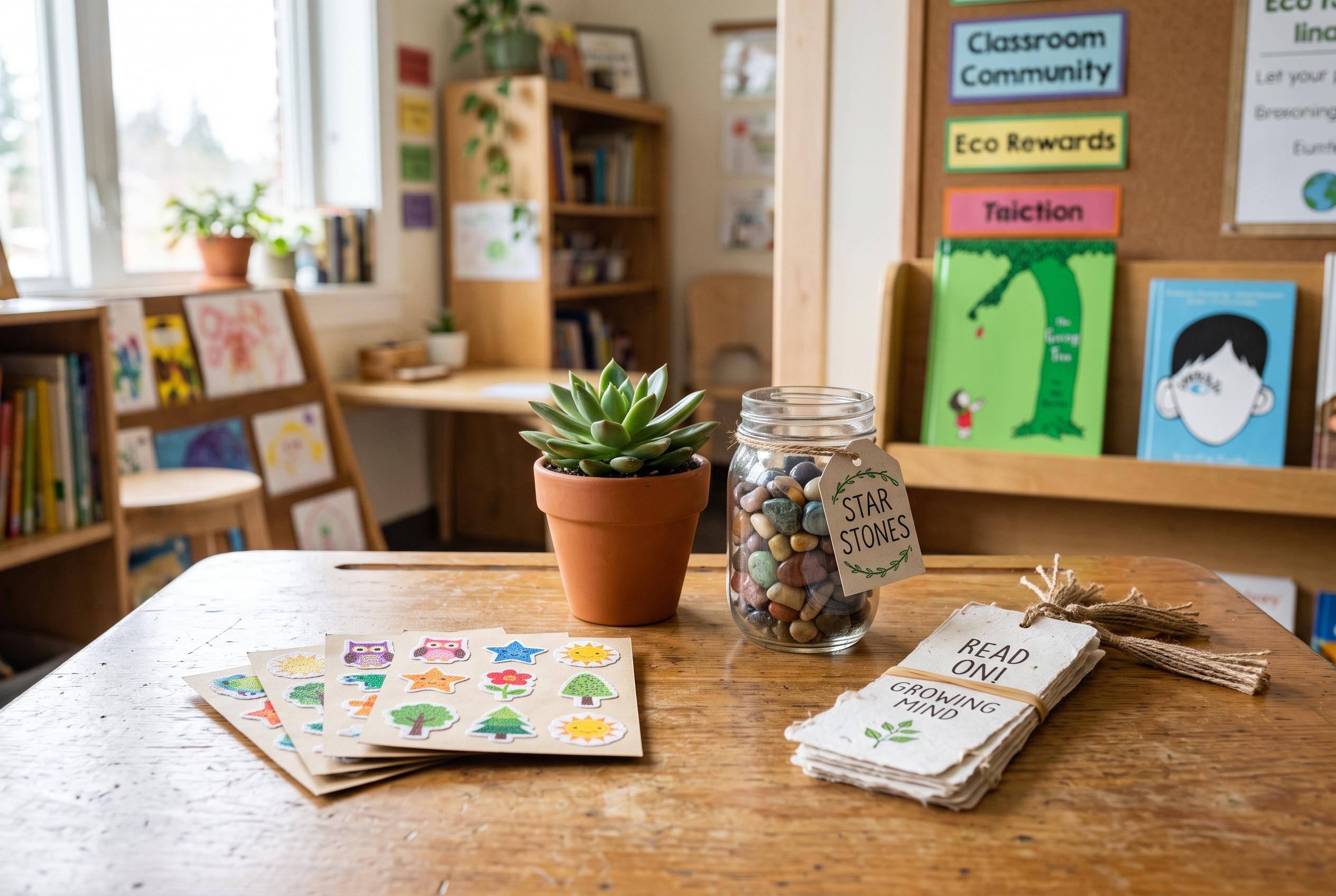

Effective classroom reward systems prioritise simplicity and sustainability, focusing on behaviour reinforcement through cost-effective and meaningful incentives that can last all year.
Teachers do not need a packed prize box or a large budget to make classroom rewards work. The most effective systems are usually the simplest: they are easy to run, easy to repeat and clear enough for pupils to understand why they have earned them. CustomStickers’ guide argues that the real aim is not to hand out trinkets, but to reinforce effort, progress, kindness and responsibility in ways that teachers can sustain all year.
A sensible reward plan starts with what can be offered at no cost. LiveSchool and Gizmos both point to everyday privileges such as choosing a seat, selecting a class activity, taking extra reading time, helping the teacher or earning a note home as options that feel meaningful without adding to spending. Intervention Central also highlights academic or social roles, such as helping a classmate or choosing a learning activity, as rewards that can fit naturally into the day. The common thread across these ideas is sustainability: a system that is manageable on a busy Tuesday is more likely to last than one built on constant shopping.
For teachers who do want something tangible, small items still have a place. Teaching Muse recommends low-cost rewards for older pupils such as stickers and earned privileges, while LiveSchool suggests simple prizes including pins, lanyards, keyrings and similar budget-friendly items. CustomStickers notes that stickers work best when they tell pupils exactly what they did well, turning a quick reward into a specific reminder of the behaviour being recognised. A sticker that says “kind choice” or “problem solver” does more than generic praise because it connects the prize to the action.
Choice matters as much as cost. One pupil may value being line leader, another may prefer drawing time or a chance to work with a friend, and older pupils may respond better to a nice pen, a seating choice or a positive message home. That is why a small menu of options tends to work better than assuming every child wants the same thing. CustomStickers also suggests rotating rewards through the year so the system stays fresh without forcing teachers to buy new supplies.
Whole-class rewards can be just as effective when the goal is shared behaviour, such as smoother transitions or meeting a reading target. Affordable options include a class game, extra creative time, a special read-aloud or a teacher-approved outdoor activity. PetClass says the best reward system is the one that matches the class and the teacher’s capacity to maintain it, and that consistency usually matters more than complexity. In other words, a clear, manageable system almost always beats an impressive one that collapses after a few weeks.
The strongest reward systems also tie recognition to the behaviour that earned it. Specific praise helps pupils understand what they are being thanked for, whether that is checking work carefully, cooperating with a group or keeping going after a difficult task. That approach keeps the focus on learning and behaviour rather than on prizes themselves. For teachers trying to keep costs low and motivation high, that is often the most practical reward of all.
Disclaimer: This content is for informational purposes only and is not intended to be a substitute for professional medical judgment, advice, diagnosis, or treatment.