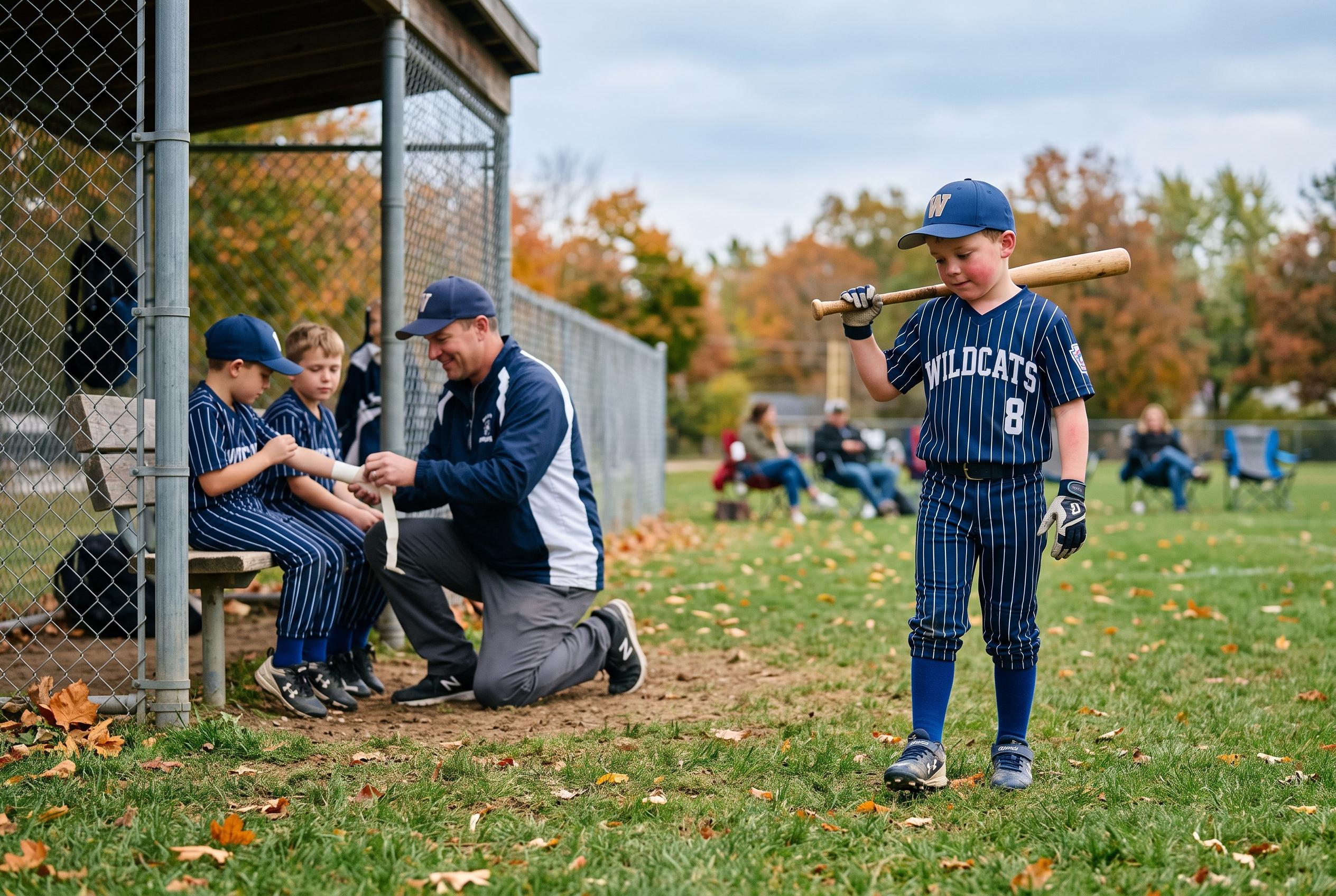

As the youth baseball calendar expands into an increasingly year-round sport, experts and coaches weigh the developmental benefits against injury risks for young players in the fall season.
Across youth baseball, the calendar has quietly stretched into something closer to a permanent season. What used to be a spring question is now an autumn expectation: where will a child play fall ball, and should he be playing at all? For players aged 9 to 12, the answer is often less obvious than the growing number of leagues and tournaments might suggest.
In Philadelphia and nearby communities, fall baseball has become a familiar part of the youth sports landscape. Coaches and parents can see the appeal: more repetitions, more innings, more chances to try a new position or recover from a limited role in the spring. But as one Philadelphia Public League coach told the Philadelphia Baseball Review, that logic tends to hold up better for older teenagers than for younger children. For an 11-year-old who has already spent months bouncing between school teams, travel squads and weekend events, another season may add load without adding much value.
The biggest concern is pitching. Major League Baseball and USA Baseball’s Pitch Smart guidance advises pitchers aged 9 to 12 not to exceed 80 combined innings in a 12-month period and to take at least four months off from throwing each year, including two to three consecutive months. For 13- and 14-year-olds, the recommended ceiling rises to 100 innings, but the need for rest remains. That guidance reflects a simple reality: young arms are still developing, and more innings, more pitches and more months on the mound can increase injury risk.
Coaches who favour fall ball argue that it still has a place when it is framed properly. Peter Hampton, a coach based in Bensalem, said the season should be treated as a developmental tool rather than another chase for trophies. Used that way, fall baseball can help a player who barely saw the field in the spring, or a teenager preparing for the jump to high school baseball. But the emphasis, he said, should be on learning, not on recreating the pressure of summer tournaments in cooler weather.
The American Academy of Pediatrics makes a similar point from a broader youth-sports perspective. It recommends two to three months away from each sport during the year and warns that year-round competition, repeated tournament play and early specialisation can contribute to physical stress and burnout. The group also encourages children to play multiple sports, noting that variety helps build a wider range of movement skills. That matters because development is not only about becoming a better shortstop or pitcher; it is also about becoming a better athlete.
That distinction is where much of the debate now sits. Fall baseball can be useful for an older player on the edge of a high school roster. It can also help a child who needs more at-bats or extra catching work. But for many 9-, 10- and 11-year-olds, the better developmental move may be to step away, play basketball or soccer, run, jump and come back fresh. In a sport increasingly built around more teams, more lessons and more games, knowing when to stop may be the most important skill adults can teach.
Disclaimer: This content is for informational purposes only and is not intended to be a substitute for professional medical judgment, advice, diagnosis, or treatment.