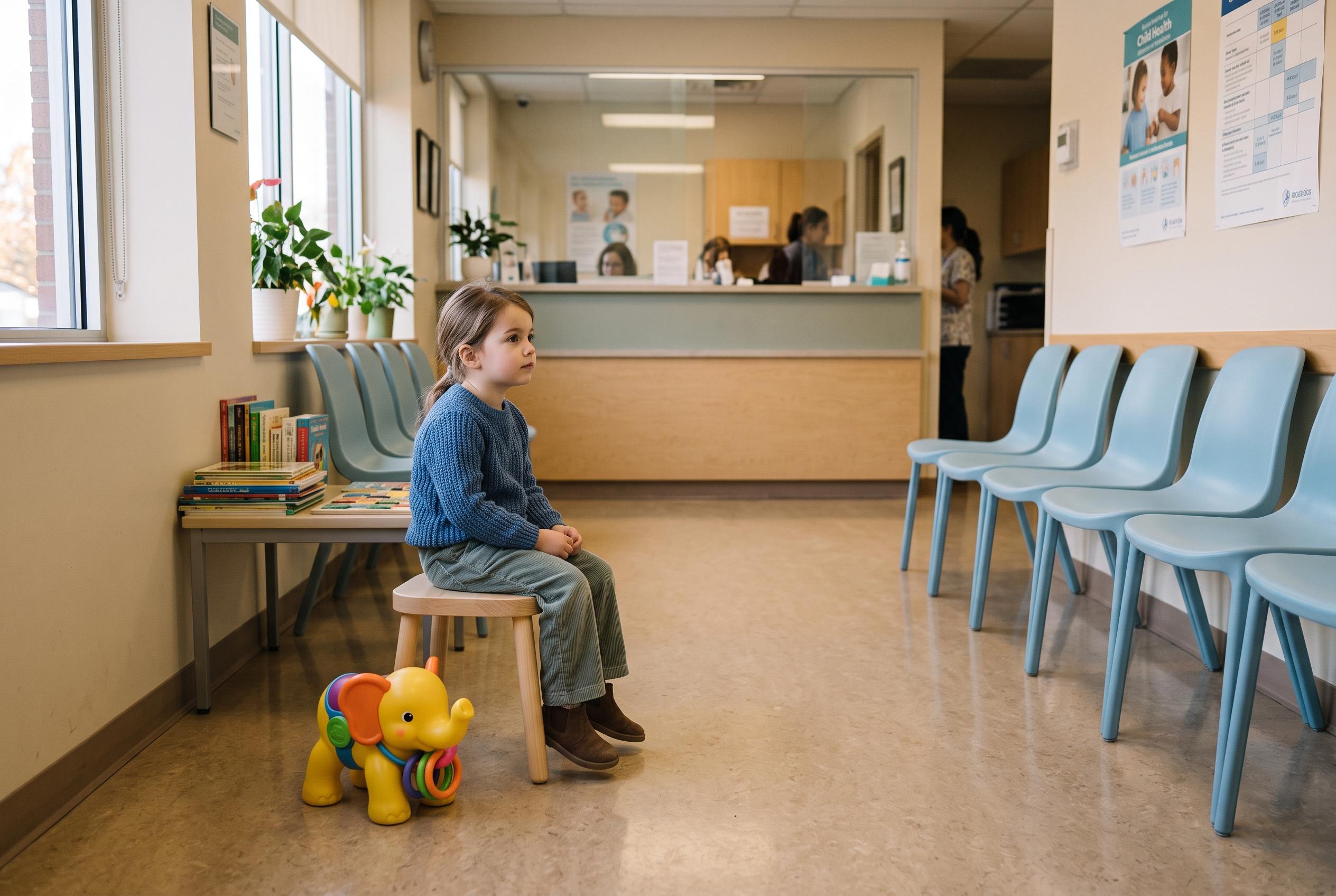

While parents await separate MMR vaccines, industry and regulatory hurdles mean no immediate change is expected and the current combination shot remains the standard in the United States.
Parents hoping for separate measles, mumps and rubella shots should not expect any immediate change. The combined MMR vaccine remains the only licensed option in the United States, and both Merck and GSK say bringing single-disease versions to market would take years, with Merck warning the process could stretch to as long as 10 years.
That timeline gives the executive order a far narrower meaning than its language may suggest. According to Medical Daily’s reporting, the order cannot create vaccines that do not already exist, and families taking children to routine appointments should see no difference in what is available now. For the moment, paediatricians still stock the combined shot, not separate measles, mumps and rubella products.
The vaccine schedule itself has not changed. The Centres for Disease Control and Prevention recommends two doses of MMR, with the first at 12 to 15 months and the second at 4 to 6 years. The agency says the vaccine is highly effective, and the same schedule is reflected in routine paediatric practice.
Merck discontinued its stand-alone measles, mumps and rubella products in the United States in 2008, and the Food and Drug Administration now lists only combined MMR products for routine use. GSK has also filed for approval of its own MMR vaccine, PRIORIX, which the company said would expand supply if licensed. But neither company has described a near-term path to separate shots for each disease.
The practical hurdles are substantial. Each single vaccine would need clinical testing, safety and efficacy data in children, a separate licensing application and manufacturing capacity before it could reach pharmacies and clinics. Merck said that even with expedited review pathways, that work could take years. GSK has argued that combination vaccines help children stay on schedule and reduce missed doses.
Public health groups have long favoured combination vaccines for exactly that reason. Fewer injections usually mean fewer appointments, lower administrative burden and a better chance that children finish the full series. Splitting the three diseases into separate products would likely mean more office visits, more fees and more chances for families to miss a dose.
The stakes are highest for children who are not yet fully vaccinated. A delay in the first MMR shot leaves infants and toddlers exposed during a time when measles has continued to circulate in the United States. For parents with questions, doctors say the safer step is to check records and follow current guidance, not wait for a product that may be years away.
Disclaimer: This content is for informational purposes only and is not intended to be a substitute for professional medical judgment, advice, diagnosis, or treatment.