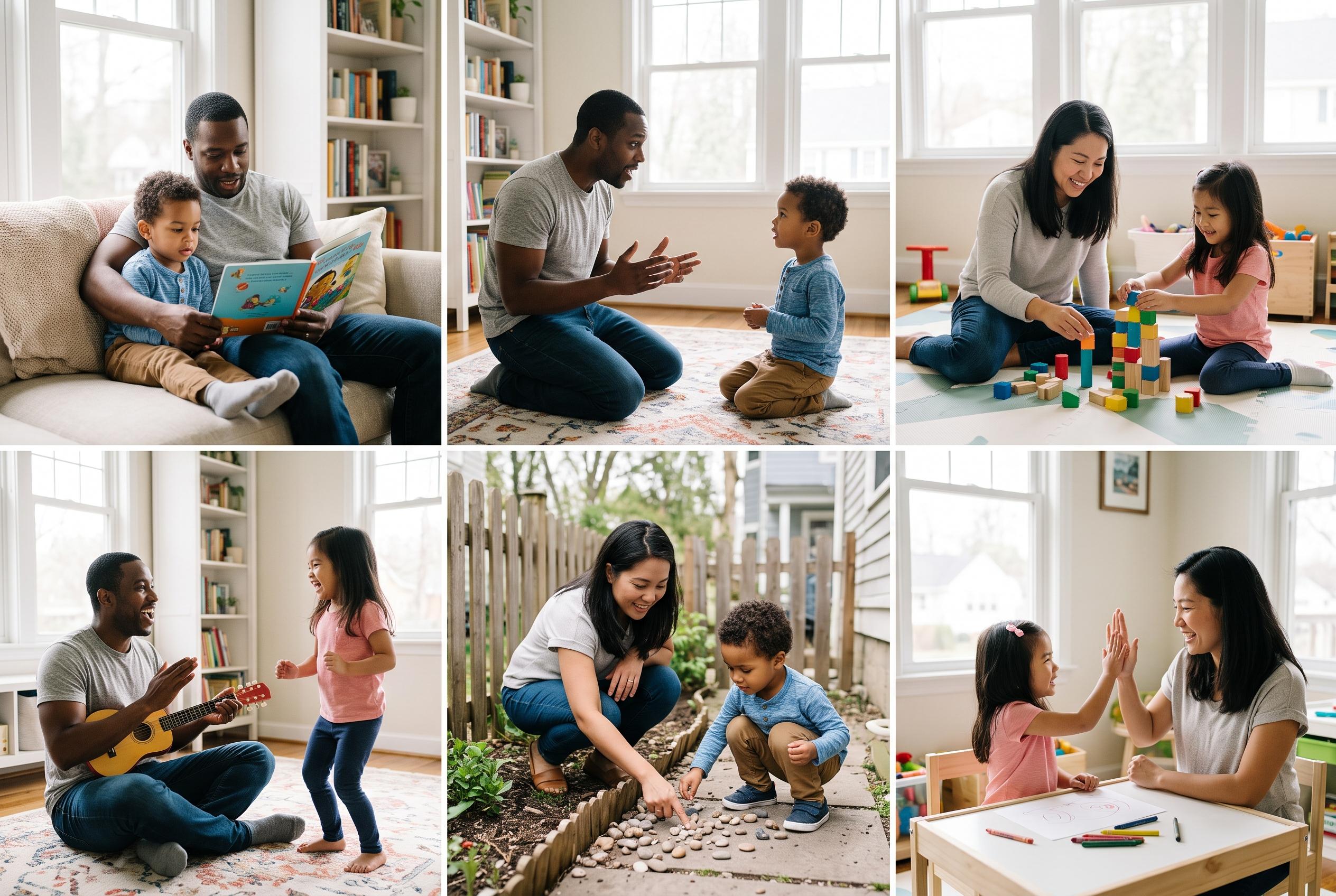

Emerging research and health guidelines highlight six simple yet impactful parenting practices crucial for nurturing children’s emotional, social, and behavioural growth from the earliest years.
Children’s confidence and behaviour are shaped early, and day-to-day parenting plays a central role in that process. The US Centres for Disease Control and Prevention says the early years are crucial for health and development, and that a safe, loving home, along with play, talking, reading and other shared activities, helps children grow emotionally, socially and educationally. In that spirit, six simple habits can help strengthen a child’s character and sense of self.
First, parents can build confidence by noticing effort and encouraging independence. Children often form their self-image through their parents’ reactions, including tone of voice and body language. Small achievements matter, and praise for them can help children feel capable. Allowing children to do age-appropriate tasks on their own also gives them a sense of competence.
Second, positive behaviour is more likely to grow when children regularly hear approval and affection. The CDC recommends warmth, sensitivity and predictable responses, while UNICEF says praising good behaviour and spending one-to-one time with children can improve relationships and reduce conflict. Routine, clear expectations and household rules also help children understand what is expected of them.
Third, discipline should guide rather than intimidate. UNICEF and GreatSchools both describe positive discipline as a firm but gentle approach that helps children learn self-control, manage emotions and understand consequences. That means setting boundaries, explaining them clearly and avoiding harsh punishment. Children are more likely to follow rules when they understand why those rules exist.
Fourth, regular time together matters. UNICEF says children benefit from responsive interaction throughout the day, including conversation, listening and shared activity. The CDC similarly stresses the value of talking, reading, singing and playing together. Even a small weekly ritual or a simple note in a lunch box can strengthen connection and remind a child that they are noticed and valued.
Fifth, children learn a great deal by watching adults. The habits parents model, from honesty and kindness to respect and patience, are often absorbed long before they are consciously taught. Researchers cited by the Encyclopedia on Early Childhood Development say responsive parenting, marked by warmth and sensitivity to a child’s signals, helps lay the groundwork for later learning and social development.
Finally, communication should remain a priority. Children need explanations, not just instructions, and they are more likely to cooperate when they are included in solving problems. UNICEF says early back-and-forth conversation supports language development, while the CDC notes that supportive, predictable parenting helps children thrive across emotional, behavioural, cognitive and social areas. In practice, that means listening carefully, explaining decisions and treating children as participants in family life rather than passive recipients of it.
Disclaimer: This content is for informational purposes only and is not intended to be a substitute for professional medical judgment, advice, diagnosis, or treatment.