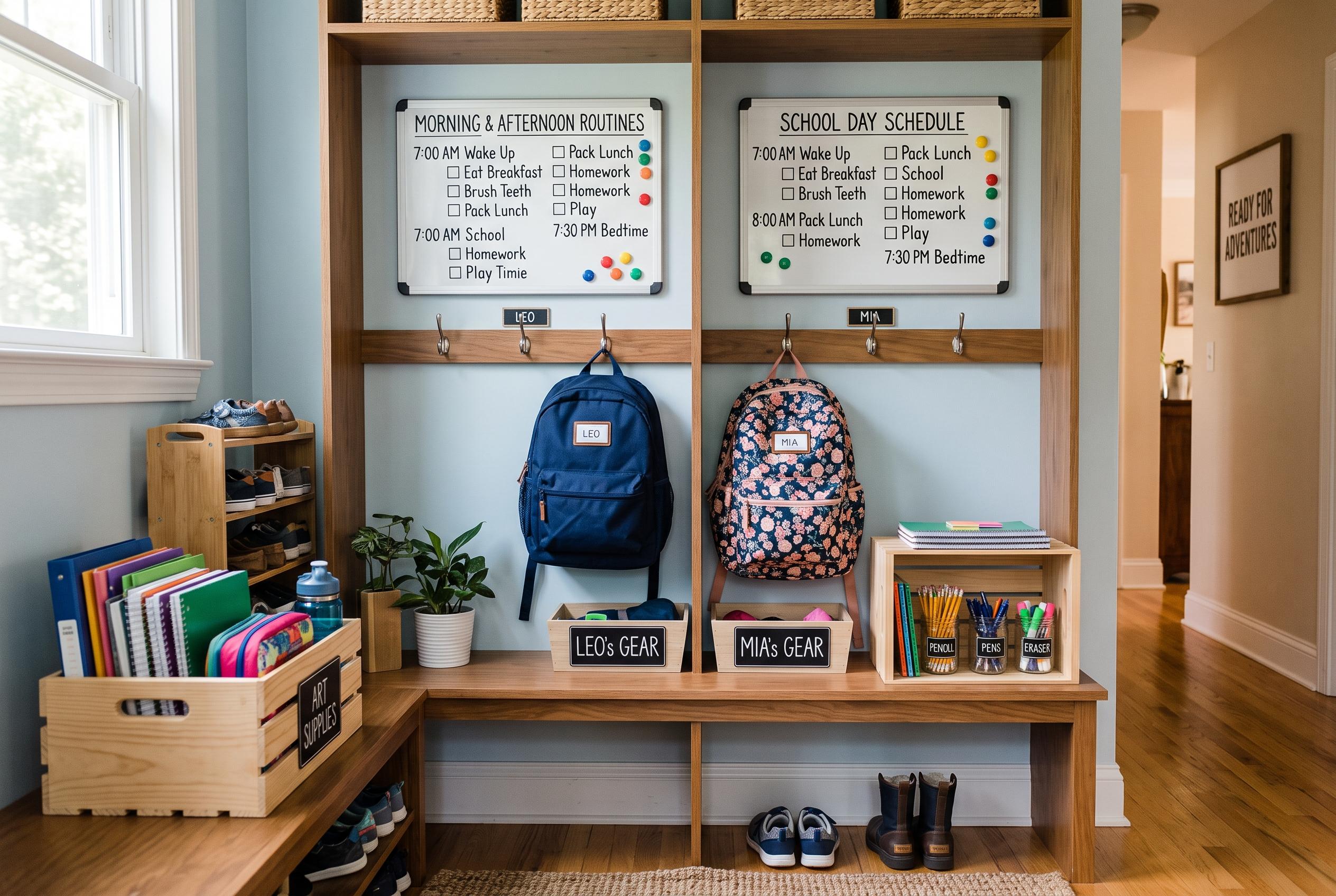

Practical steps such as pre-meetings, streamlined supplies, routines, and goal-setting can ease children’s transition into the new school year and reduce parental stress, ensuring a calmer start for all involved.
The start of a new school year can unsettle children and parents alike, but a calmer transition often begins with a few small, practical steps. Kelly, writing on Multicultural Kid Blogs, says families can ease first-day nerves by planning ahead, keeping expectations realistic and focusing on routines that help children feel secure.
One of the simplest ways to reduce anxiety is to arrange a meeting with the teacher before classes begin. According to an Associated Press report on parent-teacher conferences, early contact helps build trust and gives families a clearer sense of how communication will work during the year. A short visit can also give children a chance to see the classroom, ask questions and feel less overwhelmed by the unfamiliar. Some schools also encourage introductory events or meet-the-teacher sessions, which can turn uncertainty into something closer to curiosity, as parent-focused advice from GoodRx notes.
Supplies are another common source of back-to-school stress, but several parenting guides suggest that families keep the process straightforward. Teachers do not expect every item to be used on the first day, and many classrooms operate best when parents buy only the basics and fill in gaps later. Checklists from Simpli and Good Housekeeping point to durable essentials such as pencils, erasers, notebooks, folders, glue sticks, scissors, a backpack and a reusable water bottle. If cost is a concern, some schools and community groups can help families find supplies at little or no cost.
Meals and sleep matter just as much as stationery. Parents should check whether children are actually eating the lunch they pack or buying at school, since uneaten food can mean a child is not getting enough to carry them through the day. ParentMap and GoodRx both stress the value of steady routines, healthy food and adequate rest, especially as children adjust to earlier mornings. Kelly also recommends making sure children get enough sleep for their age, since tired students are less likely to settle in and stay focused.
Setting a few goals can also help children feel more in control. These do not need to be academic only; a reading habit, a better bedtime routine or a plan to finish homework earlier can all give the new term structure. The key, Kelly says, is that the goals belong to the child, not the parent. A written reminder posted somewhere visible can make the effort feel manageable rather than overwhelming. The broader message, echoed by other back-to-school guides, is that preparation works best when it lowers pressure instead of adding to it.
Disclaimer: This content is for informational purposes only and is not intended to be a substitute for professional medical judgment, advice, diagnosis, or treatment.