
When children say they hate school, the real issues often lie beyond academics. This guide explores how parents can better listen, connect, and support their children’s confidence and motivation through understanding their individual challenges and creating a positive environment both at home and school.
When a child says “I hate school”, the real problem is often not school itself. It may be a difficult subject, loneliness at lunchtime, a friendship fall-out or the sense that effort is not paying off. The first task for parents is not to correct the feeling, but to find out what is driving it.
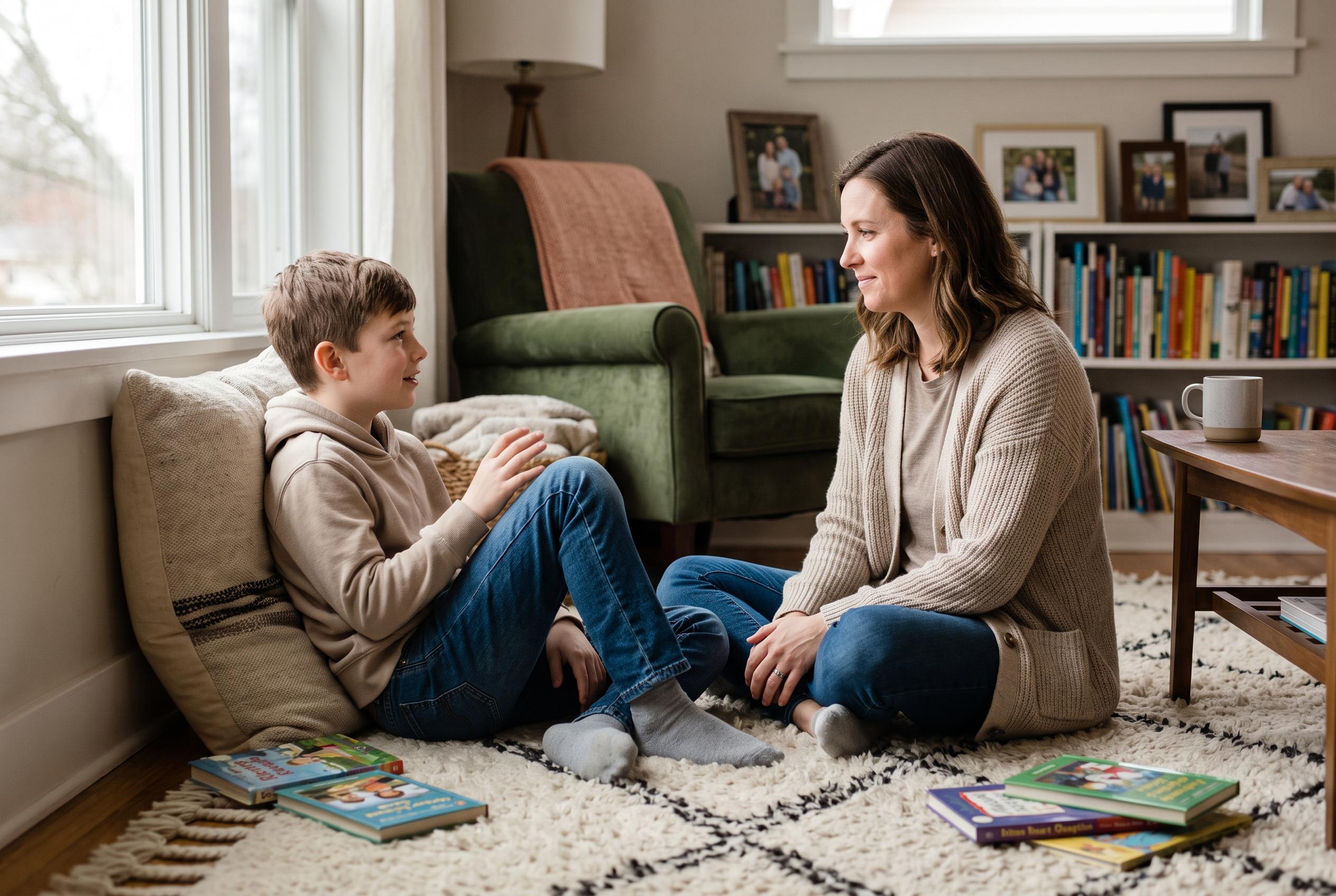
Start by listening properly. Ask what the hardest part of the day actually is, and let the child describe it in their own words. Psychology Today says children are more likely to re-engage when adults connect lessons to their interests and life outside the classroom, because learning feels more meaningful when it is tied to something familiar.
It also helps to make the work feel manageable. Children often switch off when tasks seem too big or too far beyond reach, so breaking goals into smaller steps can rebuild confidence. Cleveland Clinic Children’s says parents can support motivation by noticing effort early, offering encouragement and helping children find some enjoyment in learning rather than focusing only on results.
Parents should also look at the wider atmosphere at home. If school is always discussed through stress, grades or comparison, children can begin to see it as a place of pressure rather than growth. A calmer message, where mistakes are treated as part of learning and curiosity is welcomed, can make a surprising difference over time.
The school setting matters too. Tower College in Rainhill, Merseyside, says its approach combines academic ambition with pastoral care, aiming to support pupils’ confidence as well as their results. The school says its ethos is built around resilience, integrity and individual care, with school life designed to include both structure and wider enrichment.
Above all, motivation rarely returns in a single conversation. It tends to come back in small signs: a slightly easier morning, one subject that stops feeling impossible, a child who starts talking again. For parents, the most useful response is steady patience, not pressure.
Disclaimer: This content is for informational purposes only and is not intended to be a substitute for professional medical judgment, advice, diagnosis, or treatment.