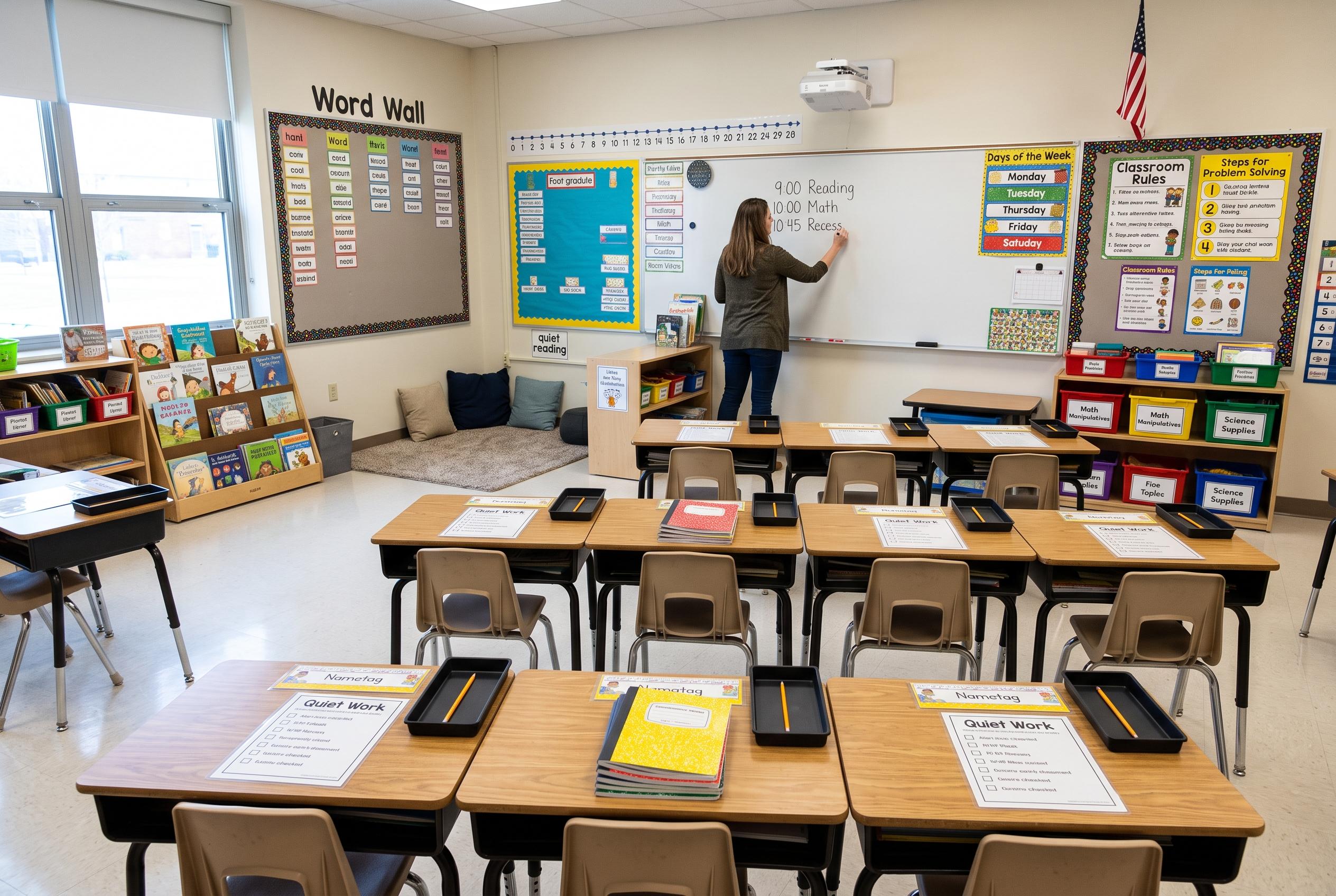

The shift from kindergarten to first grade marks a significant milestone, moving from play-led learning to structured routines. While the change brings excitement and independence, it also introduces challenges that require support from parents and schools to ease children into this critical phase of growth.
Kindergarten is often sold as the hardest leap, but many parents find first grade lands harder. The shift is less about the first day of school and more about what comes after: longer stretches of structured learning, more responsibility, and fewer of the soft edges that make kindergarten feel reassuring.
That difference can be jarring for children and adults alike. As one parent described in the lead article, kindergarten still leaves room for nap mats, smocks and the comforting sense that a child is still very little. First grade replaces much of that with homework, report cards, tests and books to be covered, along with new expectations for independence. Education guidance from The Classroom and other school-readiness resources says that change from play-led learning to a more formal routine is a common source of strain, especially when children are asked to manage more on their own.
But the transition is not only about pressure. For many children, first grade also feels exciting because it brings new freedoms and privileges. The lead article captures that enthusiasm in a child’s delight at choosing her own library book and dressing out for physical education. That mix of nerves and pride is typical, according to guidance from the National Association for the Education of Young Children, which recommends that parents acknowledge the feelings that come with the move while reinforcing the positives.
Experts also say small practical steps can help. Rehearsing routines over the summer, practising independence at home, and talking through what the classroom will look like can ease anxiety. Schools and parents are encouraged to stay in close communication, particularly in the first weeks, so children can adjust to new academic and social expectations without feeling overwhelmed. The Classroom and other parent-focused education guides also note that familiar routines and clear expectations can make a noticeable difference.
For caregivers, the emotional lesson may be the hardest one: first grade is often the moment when a child seems to grow up almost overnight. What starts as a school transition can feel like a family milestone, marking the point when a child is no longer simply entering school but beginning to stretch into the person she is becoming.
Disclaimer: This content is for informational purposes only and is not intended to be a substitute for professional medical judgment, advice, diagnosis, or treatment.