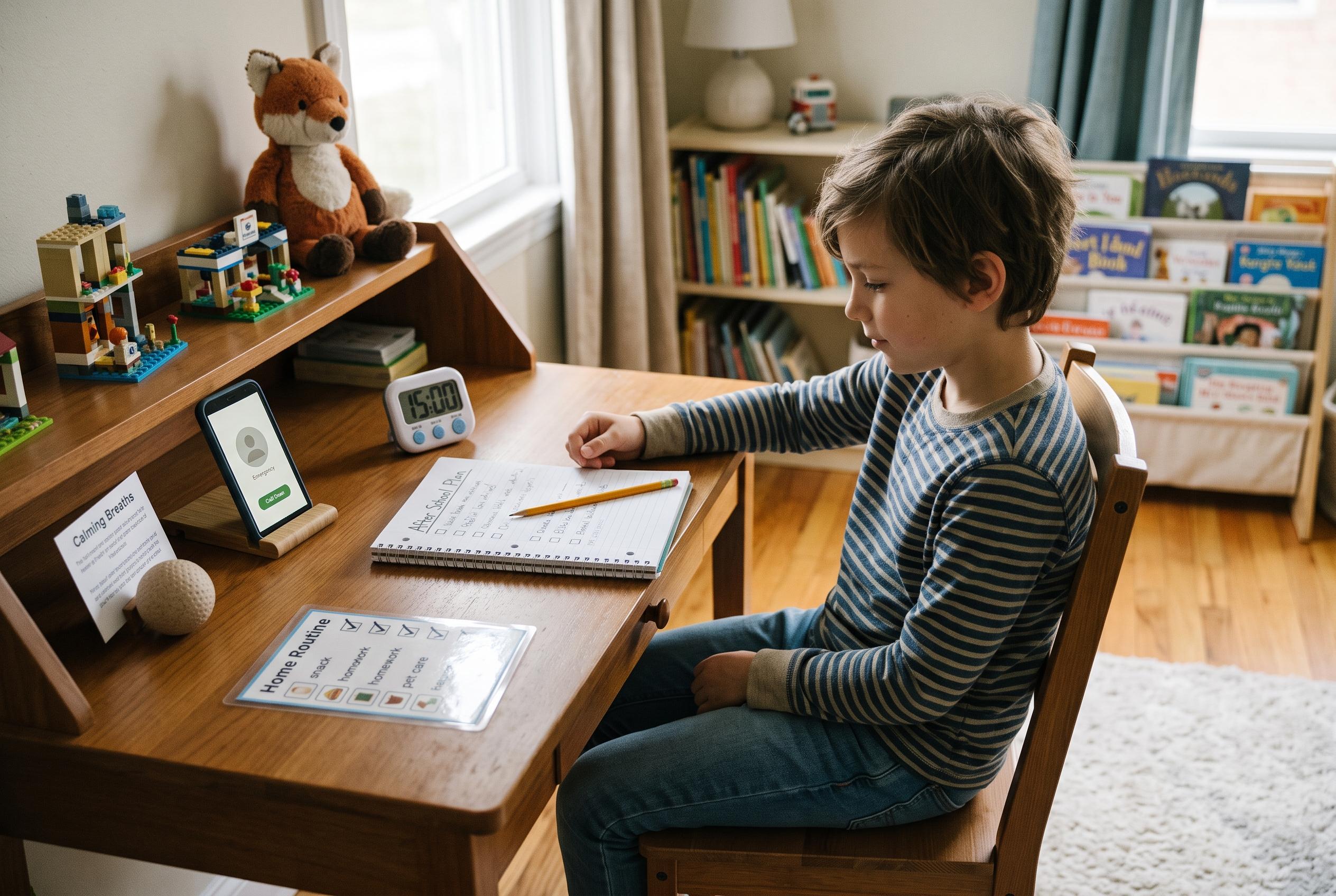

A paediatric neurologist argues that focus should shift from age-based rules to assessing a child’s brain-based skills for staying home alone, emphasising judgment and emotional regulation over specific ages.
Caregivers deciding when a child can stay home alone are often told to focus on age, but a new article in Paediatrics & Child Health argues that developmental readiness is the better test. Written by paediatric neurologist Codie C. Lavoie and republished by Phys.org from The Conversation, the piece says the key issue is whether a child has the brain-based skills to cope with an ordinary day turning unexpectedly difficult. According to Lavoie, the question should be less about birthdays and more about judgement, calmness and practical safety.
That matters because there is no single age at which children suddenly become ready, Lavoie writes. The brain systems that support planning, self-control, risk awareness and emotional regulation continue to mature through childhood and adolescence. A child may be able to make a snack, follow a routine and use a phone, yet still freeze or make a poor decision if a stranger comes to the door, a sibling is hurt or a small fire starts in the kitchen.
Canadian guidance is uneven, adding to the confusion. Phys.org reports that some provinces set minimum ages in law, including 16 in Ontario and 12 in New Brunswick and Manitoba, while others rely on broader child-protection rules or give no clear age at all. That patchwork means families of children the same age may receive very different advice depending on where they live.
Pediatric guidance in the United States points in the same general direction. The Children’s Safety Network, HealthyChildren.org and several children’s hospitals say there is no universal legal or developmental cutoff, though many experts view 11 or 12 as a rough point at which some children may begin to handle short periods alone. Even then, they stress that parents should look at maturity, rule-following, problem-solving and emergency awareness, not age alone. Their advice also leans towards gradual practice: start with brief absences, explain house rules and rehearse what to do in an emergency.
Lavoie’s broader point is that independence should be built step by step. Children need chances to learn responsibility and confidence, but those chances should match their stage of development. The most useful checklist, the article suggests, is simple: can the child recognise danger, follow safety rules, know how to call for help and stay composed if something goes wrong? For caregivers, that is a more reliable test than asking only what the law permits.
Disclaimer: This content is for informational purposes only and is not intended to be a substitute for professional medical judgment, advice, diagnosis, or treatment.