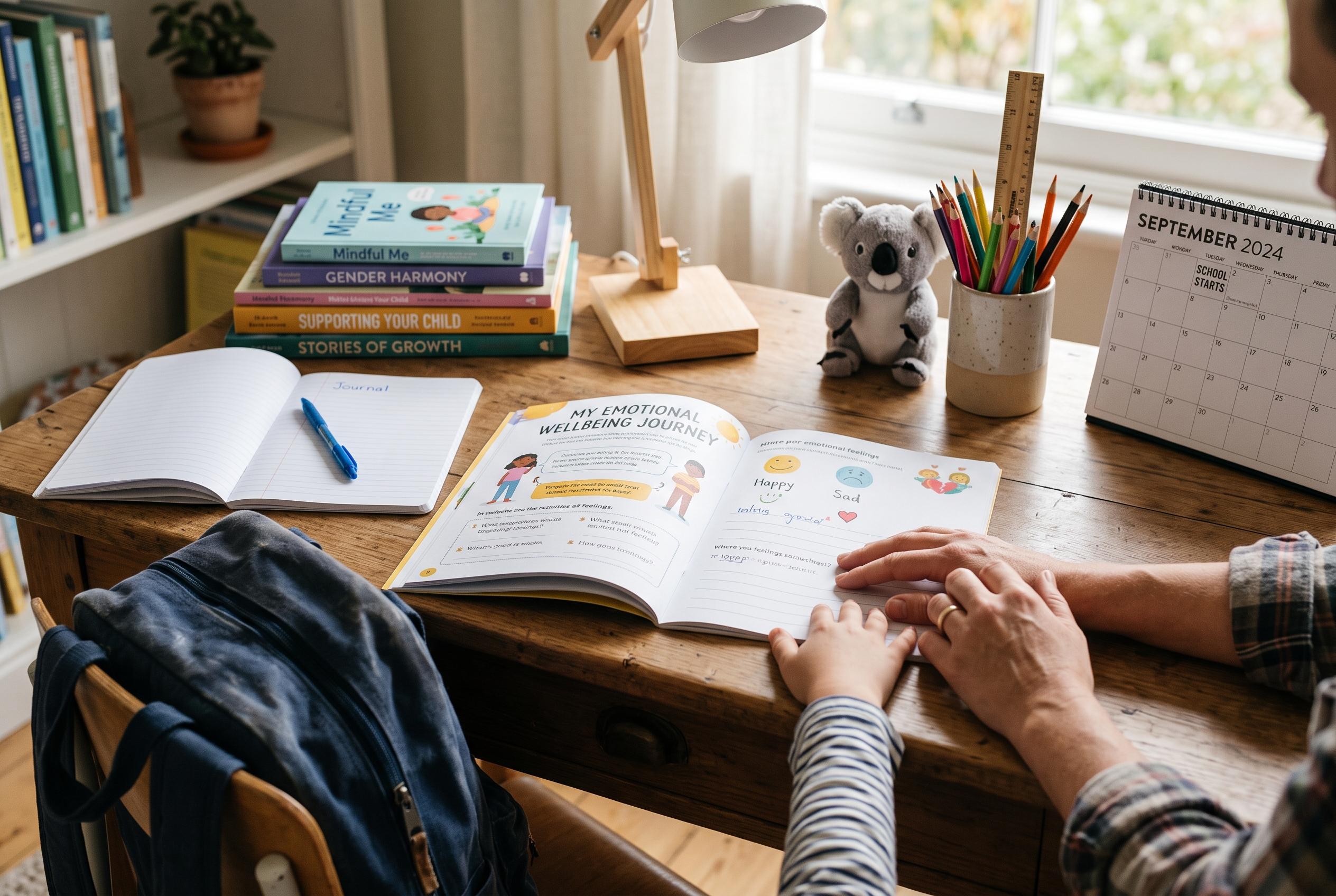

As the new school year begins, experts urge parents to stay involved in their children’s emotional wellbeing, amid rapid growth in gender-affirming treatments and concerns about early diagnosis, identity labelling, and mental health risks.
As summer gives way to a new school year, many families are focused on routines, supplies and schedules. But the bigger issue, the piece argues, is what happens when children arrive in class carrying anxiety, isolation or distress that adults do not recognise early enough. The central warning is that parents need to stay involved, especially when a child’s emotional struggle is being translated too quickly into an identity label.
That concern is sharpened by recent reporting on Oregon, where The Wall Street Journal described the state as a major centre for paediatric gender medicine. Separate Oregon Health Authority material says gender-affirming care is protected under state law and that the Oregon Health Plan covers a range of treatments, including surgery in some cases. A June 2026 analysis of insurance data covering hundreds of thousands of teenagers in the state found that nearly 1% had been diagnosed with gender dysphoria, with rates higher among girls, and that a substantial share of those diagnosed received puberty blockers or cross-sex hormones.
The article links those figures to a broader national trend. Research covered by STAT News found that gender-affirming surgeries in the United States nearly tripled between 2016 and 2019, with breast and chest procedures making up more than half of the total. A separate report on JAMA Pediatrics data said chest reconstruction surgeries among adolescents rose sharply over that same period, with most procedures carried out on females. Taken together, the numbers suggest a medical field that has expanded quickly even as debates over age, consent and diagnosis remain unresolved.
The writer’s personal experience is used to press the point that distress in adolescence can be misread. She describes receiving a very different response from adults when she spoke about anorexia compared with discomfort over her body and gender. In the first case, the underlying belief was challenged; in the second, it was not. Her argument is that adults should not assume that the first explanation a teenager finds online is the right one, particularly when that child is also dealing with depression, autism, trauma or eating disorders.
Her conclusion is that parents should reclaim the difficult conversations rather than outsourcing them to schools, influencers or internet communities. Therapy, she suggests, should help young people examine pain, not simply fasten a label to it. And as another school year begins, the message to mothers and fathers is plain: children need patience, oversight and honest discussion more than they need adults who immediately confirm every fragile identity they arrive with.
Disclaimer: This content is for informational purposes only and is not intended to be a substitute for professional medical judgment, advice, diagnosis, or treatment.