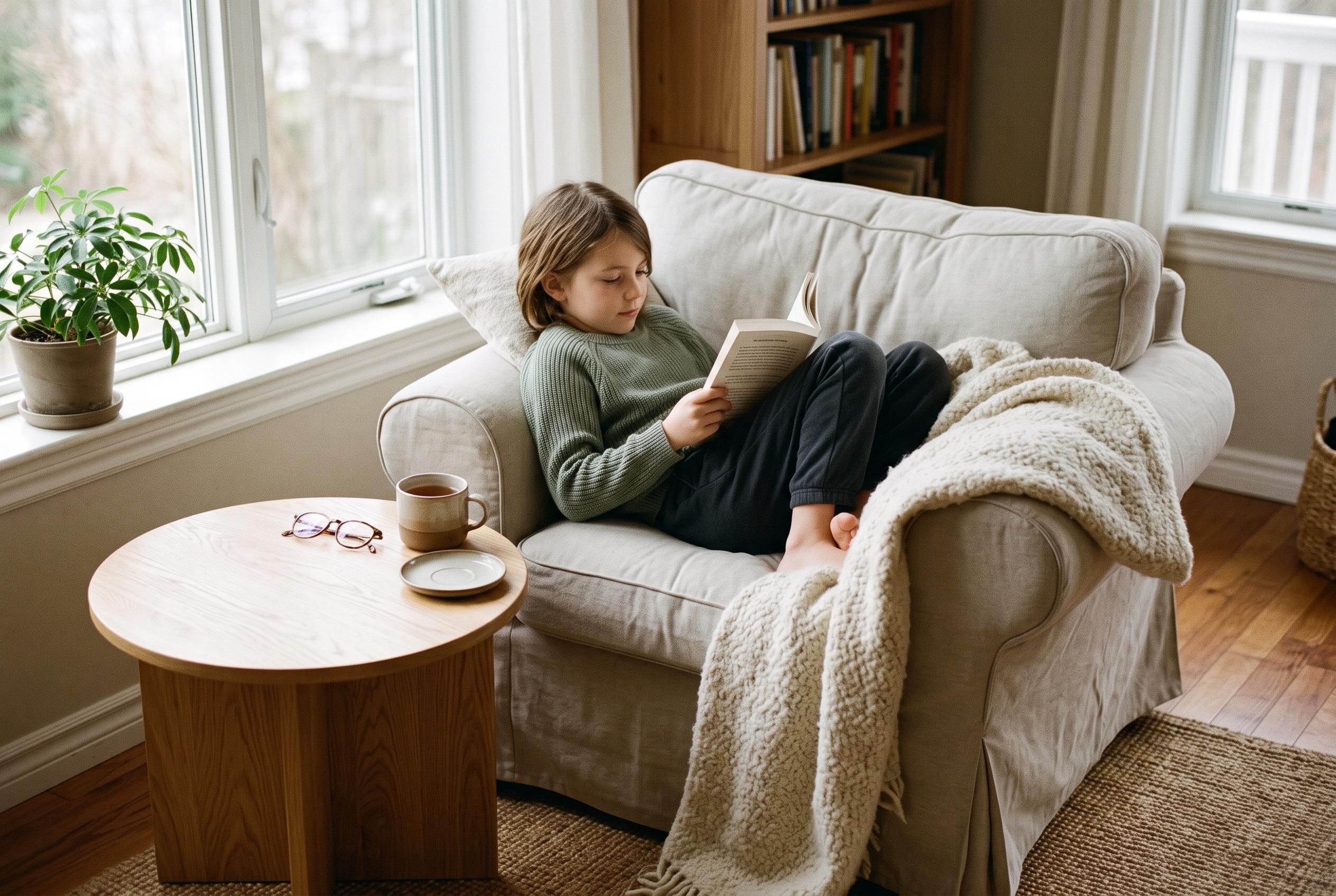

Many children, especially those who are introverted, sensitive, or neurodivergent, may experience depletion after engaging in social events. Experts highlight the need for parents to incorporate planned rest and understand the signs of overwhelm to support their children’s wellbeing.
A child can have a day full of pleasure and still end it close to tears. The birthday party was fun. The beach trip was a success. The cousins were delightful, the games were lively and the snacks were a hit. Yet by the time the day wound down, the child who had been smiling and joining in may have become irritable, silent or desperate to leave. For many introverted, sensitive, anxious or neurodivergent children, that shift is not a mystery of attitude. It is a sign of depletion.
The problem, family therapists say, is that adults often assume enjoyable activities are automatically easy to tolerate. According to the Today’s Parent article, fun can still be draining when it comes with noise, heat, crowds, transitions, unfamiliar settings and constant social demands. A child may love the outing and still run out of capacity before the adults do. Sensory overload guidance from Just One Norfolk NHS and Sensory Gift makes the same point: when the brain receives more input than it can process comfortably, children may withdraw, shut down or appear suddenly distressed.
That is why a child’s behaviour after a big event can be so misleading. Whining, tears, clinginess, snapping at a sibling or insisting they never wanted to go in the first place may look like defiance. In reality, it may be the language of overwhelm. Child therapy guidance from Child Therapy Service notes that meltdowns are not deliberate misbehaviour but a loss of regulation under strain. The Today’s Parent piece argues that parents do better when they treat those moments as information rather than insolence.
The most useful question is not how to keep a child going for longer, but what pace allows them to enjoy the day without tipping over the edge. Care.com’s advice for introverted children stresses that they do not need to be pushed into acting extroverted to have meaningful experiences. They may enjoy people deeply and still need solitude afterwards. Reading in the shade at a family picnic or taking a quiet break during a cousin visit is not the same as opting out. It may simply be recovery.
That recovery should be planned, not improvised after a blow-up. The Today’s Parent article recommends building quiet time into busy weeks, especially after sleepovers, camp, late nights or consecutive social events. Sensory overload resources from Sensory Gift also encourage families to create a simple plan before the child becomes overwhelmed, including early warning signs and specific ways to reduce stimulation. A snack, a change of scenery, headphones, a walk outside or a few minutes in the car can help a child reset before the crash.
It can also help to name the pattern in advance. Parents might explain that a big day can feel exciting and exhausting at the same time, and that needing a break is normal. A private signal, such as a code word or a hand squeeze, can give a child a discreet way to ask for help without feeling embarrassed in front of others. If relatives do not understand, a simple explanation is usually enough: the child is taking a short break and will rejoin when ready.
The larger lesson is that rest is not a reward for bad behaviour; it is part of how some children stay regulated. Families can protect their children by noticing early signs of overload, pacing activities more carefully and resisting the urge to treat quietness as a problem. A child who needs time alone after camp, or who skips the second outing of the day, is not necessarily missing out. They may be learning to recognise their own limits.
For parents, that is a useful shift in perspective. Instead of waiting for the meltdown and then punishing the symptom, it is often better to make room for recovery before the child reaches that point. In practical terms, that can mean fewer packed weekends, calmer evenings after big events and a little more faith that a child can love the day and still need to come down from it.
Disclaimer: This content is for informational purposes only and is not intended to be a substitute for professional medical judgment, advice, diagnosis, or treatment.