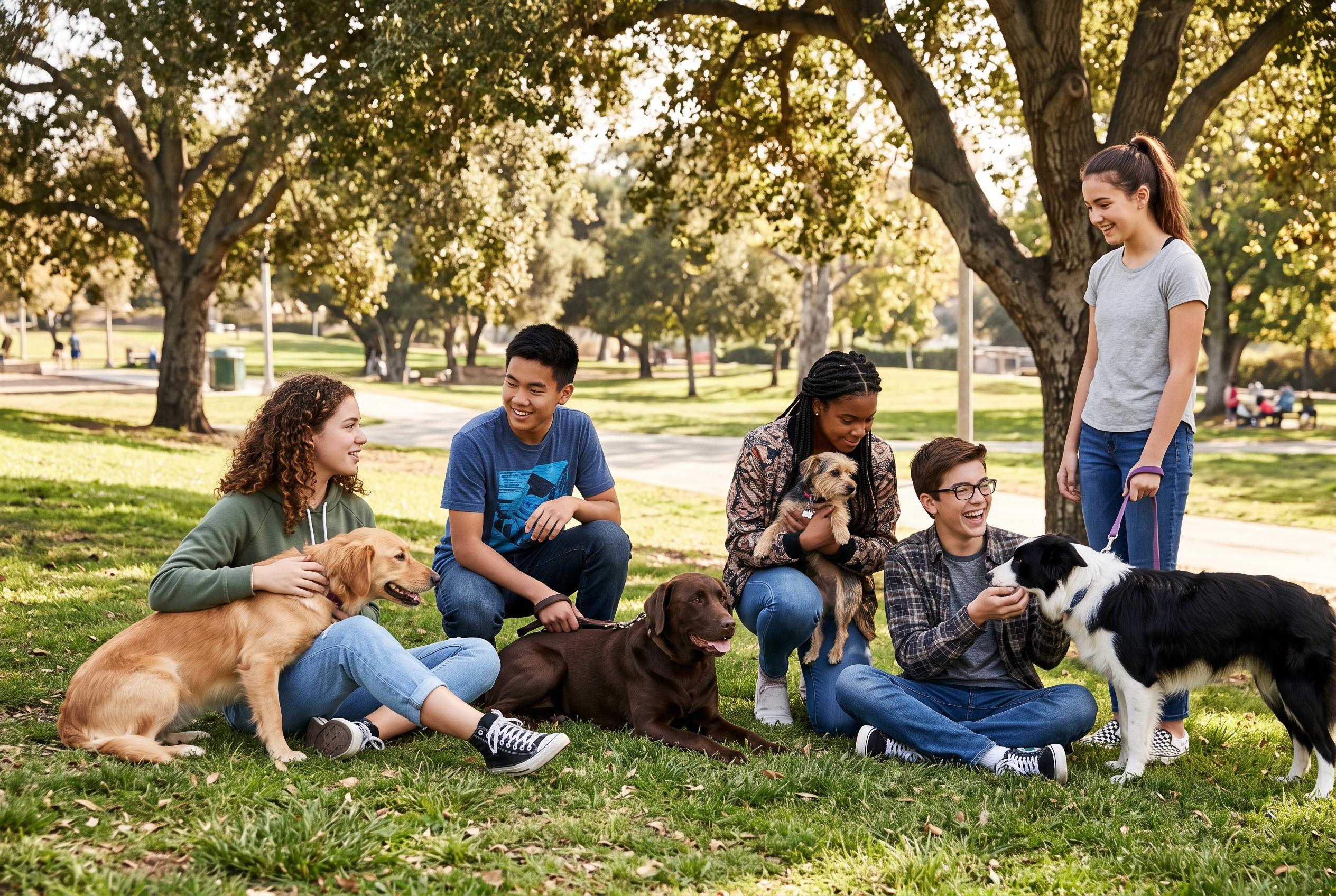

A recent Tufts University study uncovers how teenagers’ relationships with their dogs influence their strategies for coping with peer-related stress, highlighting both potential benefits and limitations for adolescents dealing with social anxiety.
A new Tufts University study suggests that the way teenagers relate to their pet dogs may shape how they deal with stress from classmates and other peers, especially among adolescents already struggling with social anxiety. The findings, published in the Journal of Adolescence, add nuance to a long-running idea that dogs can help young people feel calmer and more secure during a difficult stage of development.
Researchers at the Cummings School of Veterinary Medicine surveyed 514 U.S. teenagers aged 13 to 17, along with one parent for each participant, and examined several parts of the teen-dog bond, including affection, companionship, caregiving, emotional support, friction and the idea that a dog can stand in for people. They then compared those relationships with coping styles used when teens faced peer-related stress.
Megan Mueller, the study’s senior author and an associate professor at Tufts, said adolescence is a period when young people are building their identity and often shifting emotional reliance from parents to friends. That transition can be especially difficult for teens with social anxiety, which experts say can involve persistent fear of judgement, avoidance of social situations and significant distress.
The study found that companionship and caring for a dog were linked with healthier coping, including problem-solving, positive thinking, emotional regulation and expressing feelings. By contrast, friction with a dog was associated with less helpful responses such as avoidance, denial, rumination and emotional numbing. One result was less intuitive: teenagers who reported stronger emotional support from their dogs were more likely to dwell on negative thoughts and less likely to show positive thinking. Mueller said one possible explanation is that a dog may become a teen’s main source of support when other social ties are weak.
The research does not suggest that dogs are a substitute for treatment, and clinicians commonly advise that persistent anxiety in teenagers may require professional help. But it does support a more careful view of pet ownership, showing that dogs may be beneficial in some relationships and less so in others. Psychology Today has noted that dogs can sometimes help anxious teens engage more comfortably in therapy, while health guidance for parents emphasises recognising when worry becomes severe enough to disrupt daily life.
Disclaimer: This content is for informational purposes only and is not intended to be a substitute for professional medical judgment, advice, diagnosis, or treatment.