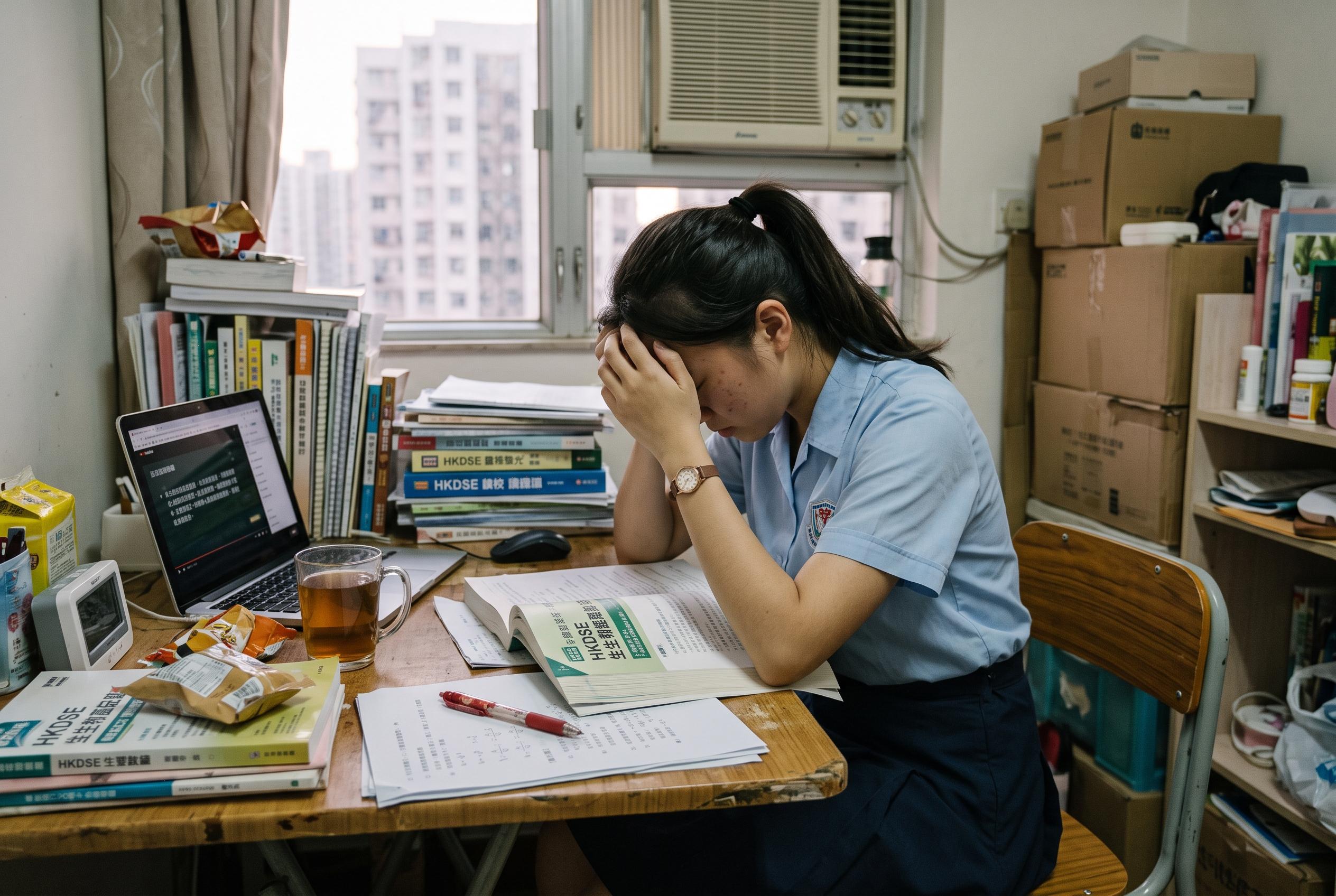

A recent survey exposes the rising stress levels among Hong Kong pupils and highlights a troubling gap in recognising emotional distress, prompting calls for improved family support and mental health services.
A survey in Hong Kong has found that schoolwork remains the biggest source of stress for more than two in five pupils and parents, underscoring what child-welfare specialists describe as a widening gap between what young people feel and what adults think they are feeling. The study, carried out between March and August by the Lion Rock Youth Association and the Hong Kong Family Mediation Association, polled 254 children aged six to 18 and 107 parents.
The findings point to a pattern of silence that experts say can make distress harder to spot. About 22% of pupils said their parents did not identify their stress effectively, while nearly 12% of parents admitted they had failed to notice their children’s emotional strain. Roughly 37% of pupils and 34% of parents said they tended to keep problems to themselves, preferring to endure pressure rather than talk about it.
Leung Suk-yu, one of the people quoted in the report, said behaviours such as shutting the door, staying quiet, becoming irritable or complaining of headaches can be signs of distress rather than simple teenage defiance. She urged parents to pause before criticising, create a sense of safety and work through problems with their children rather than against them. Her message was that families should seek help early, before relationships deteriorate or children reach a crisis point.
Registered psychologist Cheng Wai-keung said many pupils tie academic results to self-worth, and even to whether they deserve love. When grades disappoint, he said, the impact may go far beyond frustration and can develop into deeper anxiety and self-doubt. The Hong Kong Family Mediation Association has called on the government to invest more in mental-health and family-support services, while also encouraging parents and educators to become better at recognising stress-related physical symptoms and changes in behaviour.
Disclaimer: This content is for informational purposes only and is not intended to be a substitute for professional medical judgment, advice, diagnosis, or treatment.