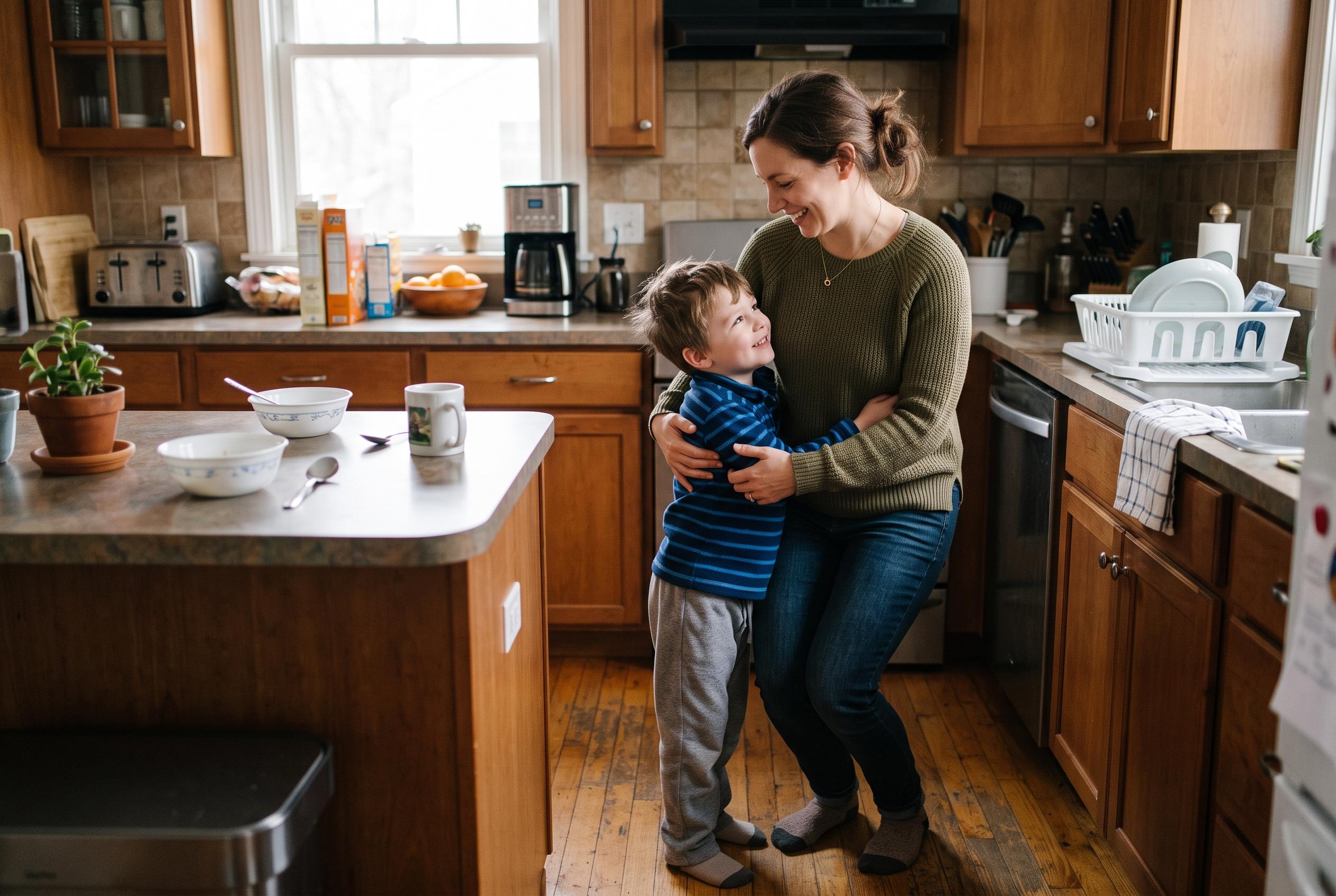

A recent reflection highlights the importance of maintaining simple, affectionate connections during hectic mornings, emphasising that small moments of warmth matter more than structured routines for fostering healthy child relationships.
Parents often focus on how to get children to cooperate in the morning, but the bigger question may be how to keep connection alive when everyone is rushed. In a recent reflection published by Forest Psychology, the writer said that the real aim is not to connect as a tactic before giving instructions, but to connect simply because the relationship itself matters. That idea echoes the attachment-based work of developmental psychologist Gordon Neufeld, who argues that children are more receptive to guidance when they feel securely connected to the adults caring for them.
The morning scramble, with school bags, breakfast and shoes all competing for attention, can make connection feel like one more task on a crowded list. Yet the piece argues that when affection is treated like a reward for good behaviour, children can absorb the message that the task comes first and they come second. By contrast, small moments of warmth without any hidden agenda can signal something different: that a child’s place in the relationship is not conditional on finishing what needs to be done.
That approach is consistent with the Neufeld Institute’s attachment-based model, which places togetherness, rest and play at the centre of healthy child development. The institute says children need secure attachment in order to flourish, while Neufeld’s long career has focused on how adults can create the conditions that help children grow, learn and accept direction. In practice, that may mean a story after school, a game played for its own sake, a cuddle, or even a quick kiss blown across the room in the middle of a busy afternoon.
The practical lesson is not that parents must be perfectly calm or endlessly patient. The writer admits that some mornings still end in raised voices. Rather, the point is that connection does not have to wait for a free hour or a fixed routine. It can happen in the brief pauses between demands, when no lesson needs teaching and no behaviour needs managing. For many families, those in-between moments may be the ones that matter most.
Disclaimer: This content is for informational purposes only and is not intended to be a substitute for professional medical judgment, advice, diagnosis, or treatment.