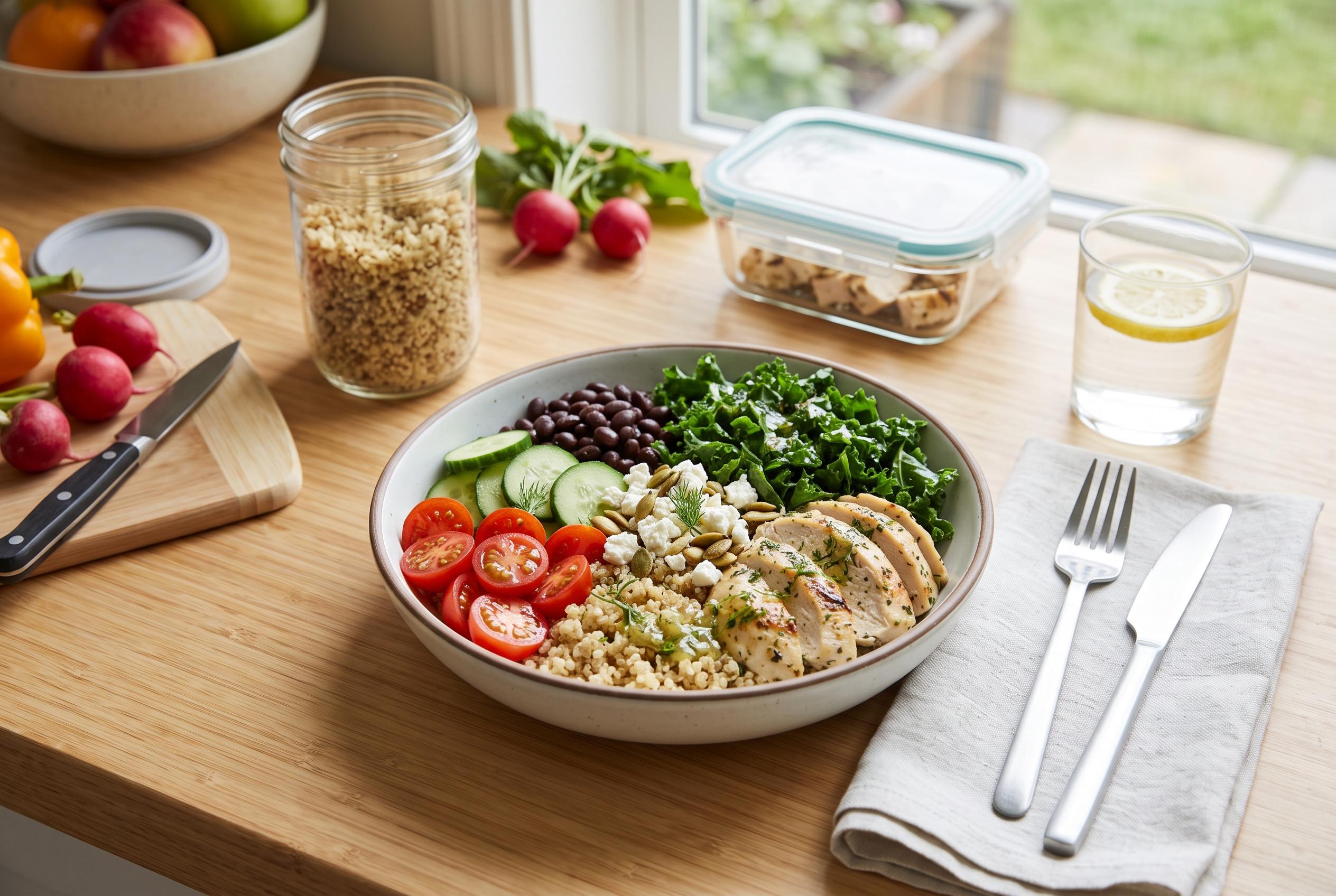

Meal-prep grain bowls offer a flexible, light, and filling lunch option for summer, allowing for endless variations through simple ingredient swaps and strategic preparation, making them increasingly popular among busy households and meal planners.
Meal-prep grain bowls are becoming a practical summer answer for people who want lunches that are light, filling and easy to vary through the week. The basic idea is simple: cook a grain once, then change the toppings, protein and dressing so each bowl feels different. Food writers and meal-prep guides increasingly describe this as a flexible format rather than a fixed recipe, which is part of its appeal.
The strongest versions follow a clear structure. A whole grain such as farro, bulgur, quinoa, brown rice or barley forms the base, while protein can come from chicken, fish, eggs, chickpeas, lentils or tofu. Vegetables add freshness and bulk, and a sauce ties everything together. The most common finishing touch is something crunchy, such as nuts, seeds, crisp chickpeas, herbs or pickled onions. According to several meal-prep guides, keeping the sauce separate until serving helps preserve texture and prevents the bowl from turning soft too quickly.
That combination is especially useful in hot weather, when many people do not want a heavy lunch but still need something substantial enough to last until evening. Quinoa is often favoured for its high protein content, while farro is valued for its nutty flavour and firmer bite. Bulgur cooks quickly and soaks up dressing well, making it useful on busy weekdays, and freekeh brings extra fibre plus a faint smoky note. In practice, cooking two grains at the start of the week can give enough variety for several days without much extra effort.
Meal-prep writers also point out that Mediterranean-style bowls work well because they can move across cuisines without feeling repetitive. One day might lean towards lemon, tahini and roasted courgette; another might use yoghurt, herbs and grilled chicken; a third could shift towards sesame, soy and salmon or tofu. That flexibility means the same base can suit different tastes in the same household, which is one reason the format has caught on with people trying to simplify weekday cooking.
The main mistake is moisture. Warm grains, roasted vegetables and sauce left together in the fridge can quickly lose their shape and bite. Better advice from meal-prep specialists is to cool ingredients before packing them, store wet and dry components separately, and add dressing only when ready to eat. A final layer of nuts, seeds, olives, feta or herbs can make the bowl feel fresh rather than assembled from leftovers.
For parents and caregivers especially, the appeal is obvious: the same grocery shop can cover several lunches, and the bowls are easy to adapt for children or adults with different preferences. A grain bowl is less about following a strict formula than about creating a dependable routine. Once the base is cooked, the rest becomes a matter of rotation, which is what keeps the idea useful long after summer ends.
Disclaimer: This content is for informational purposes only and is not intended to be a substitute for professional medical judgment, advice, diagnosis, or treatment.