
Morocco’s early retail promotion of school supplies sparks debate over its psychological impact on children, with experts warning it can disrupt holiday rest and increase anxiety.
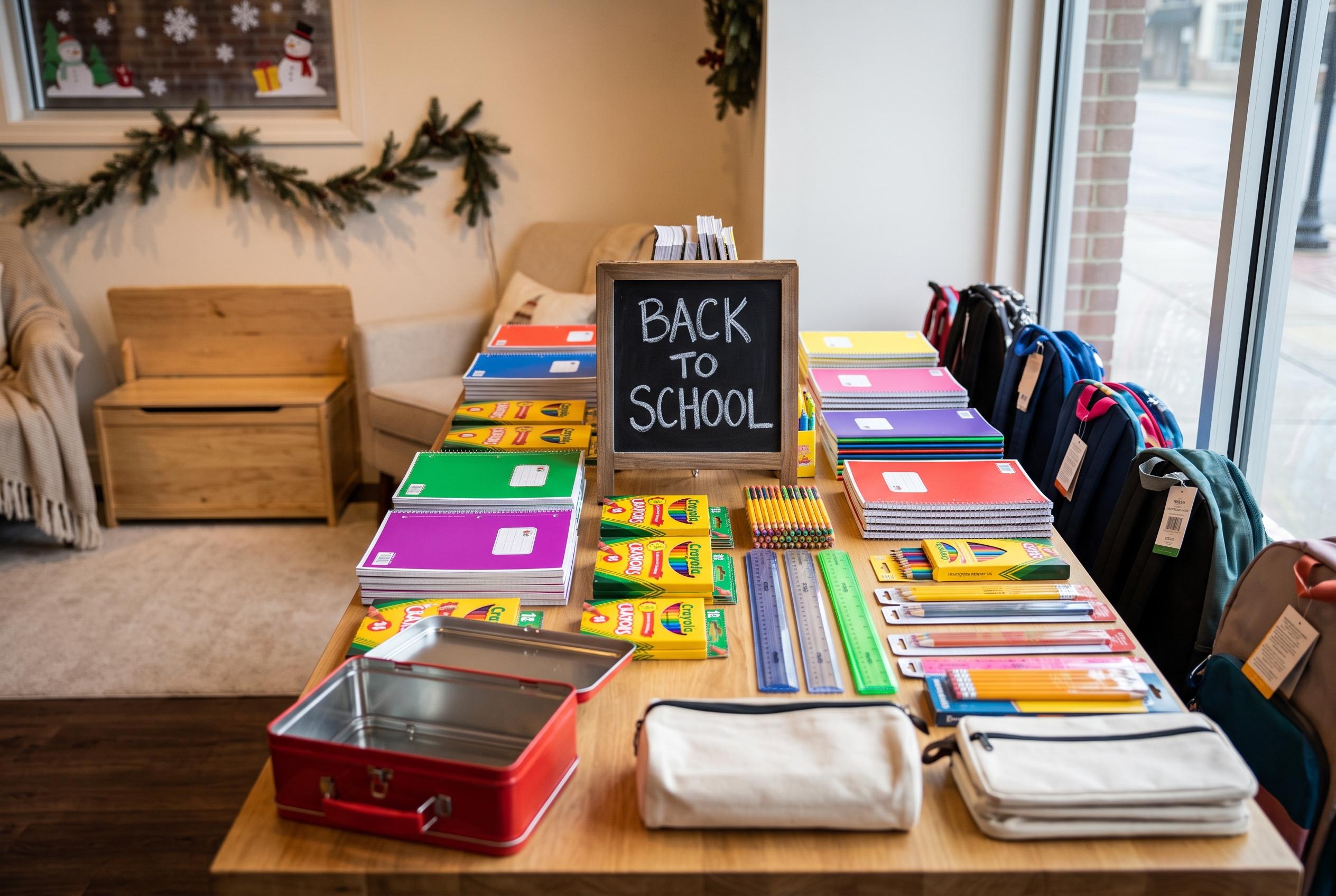
Morocco’s stationery shops and supermarkets are already filling their shelves with school bags, exercise books and other supplies, even though the summer holiday is still in its early weeks and the new school year is still some time away. The early display of school essentials has reopened a wider debate about more than retail timing: it raises questions about the effect on children who are meant to be resting, playing and recovering during the break.
Sami Dqaqi, a researcher in psychology and neuroeducation, told Hespress that the growing habit of bringing school goods into view in early August should be read not only as a commercial trend but also as a psychological one. He said it can interrupt a child’s sense of freedom during the holidays, shifting attention from relaxation to obligations, schedules and performance before the summer has even properly begun. He warned that this can stir mixed feelings, including brief excitement about seeing friends again, followed by pressure and anxiety about what school demands.
Dqaqi also criticised what he described as a hard-edged consumer logic that gives little thought to the emotional effects on children. He said places that should feel playful, such as bookshops and shopping centres, are increasingly dominated by school promotions long before the academic year starts, turning spaces associated with leisure into reminders of duty. That concern is echoed in wider research on children and advertising. A review published by the American Academy of Pediatrics says marketing can shape children’s buying habits and contribute to materialistic attitudes, while HealthyChildren.org, the academy’s parenting site, warns that digital advertising can influence behaviour and self-image.
Ibrahim Hassnawi, a clinical psychologist, told Hespress that the timing can be especially disruptive because children tend to live very much in the present, whereas adults can more easily see that school is still weeks away. He said exposing children to school supplies in mid-summer can create the false impression that term time is imminent, which may trigger tension, sleep disruption and a reduced desire to play. Hassnawi added that the effect is not only emotional but also financial, since August often coincides with pressure on family budgets after travel and summer spending. He said children absorb that stress quickly, which can make a new school bag feel less like a symbol of excitement and more like a burden.
Hassnawi urged parents to protect the emotional space of the holiday by delaying purchases, limiting school talk until the final days of the break and avoiding discussion of costs in front of children. He said the return to school should be introduced gradually and positively, so that it is linked with growth and discovery rather than the ending of summer. That view aligns with academic studies on children and advertising, which say young audiences are highly susceptible to commercial messages and that more research is needed on how such exposure affects development and wellbeing.
Disclaimer: This content is for informational purposes only and is not intended to be a substitute for professional medical judgment, advice, diagnosis, or treatment.