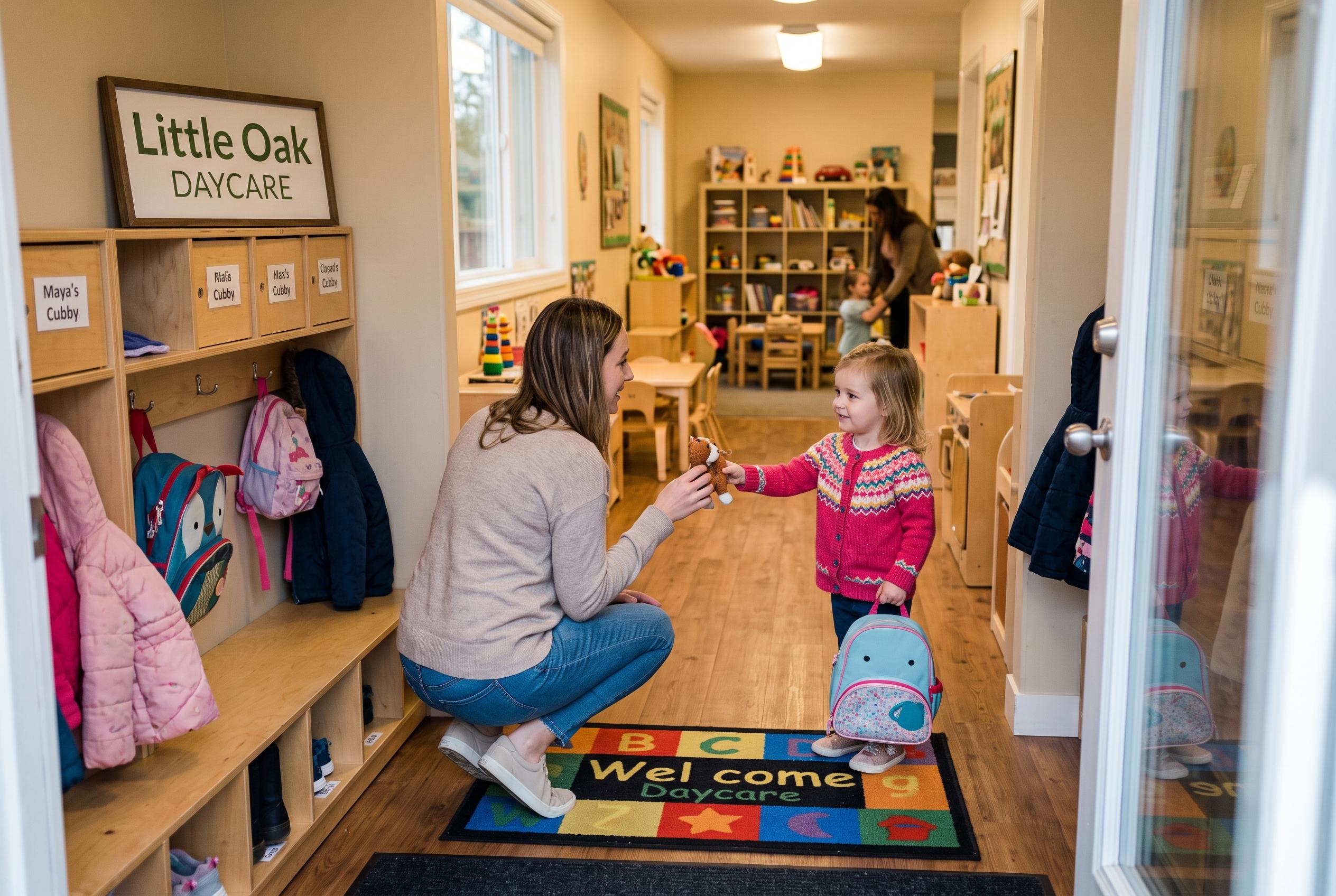

Experts reveal fresh approaches for parents to manage emotional drop-offs at daycare, emphasising routines, reassurance, and confidence to lessen morning distress for children and parents alike.
For many parents, the hardest part of the morning is not the traffic or the rush to get out of the door.It is the moment at daycare when a child begins to cry, cling or plead not to be left behind. Childcare experts say that reaction is common and does not necessarily mean a child is unhappy in the setting, but it can still make the daily handover feel bruising for everyone involved.
The most effective drop-offs tend to be the ones that are brief, calm and predictable. Several childcare guides recommend using the same farewell each day, keeping the message warm but simple, and avoiding drawn-out negotiations at the doorway. A clear routine can help children know what comes next, which often matters more than a reminder about the clock, since younger children are still learning how time works.
Experts also warn against slipping away when a child is distracted. Although that can feel like the easiest option in the moment, it can leave children worrying about whether a parent will return. Childcare advice from multiple parenting and nursery guides instead points to a confident goodbye, a quick handover and then a clean exit, with educators taking over as soon as the parent leaves. Some suggest that handing the child to a familiar caregiver each morning can make that transition feel more secure.
Preparation outside the centre can also help. Parenting sites recommend easing pressure at the start of the day by getting bags ready the night before, keeping the morning routine consistent and reducing last-minute decisions. Other practical ideas include talking positively about daycare at home, building up the child’s sense of what will happen during the day, and, where appropriate, letting them bring a comfort item from home. For children who are especially anxious, a phased start with shorter days may also make the adjustment easier.
The common thread through all of this is reassurance without overdoing it. Parents are often encouraged to stay composed, acknowledge that saying goodbye can be hard and then move on decisively rather than returning repeatedly if tears start. Childcare writers say that repeated comebacks can turn the morning into a negotiation. Over time, a steady routine, a familiar caregiver and a positive tone at home can help the child feel that daycare is safe, expected and manageable , even if the first few mornings are not.
Disclaimer: This content is for informational purposes only and is not intended to be a substitute for professional medical judgment, advice, diagnosis, or treatment.