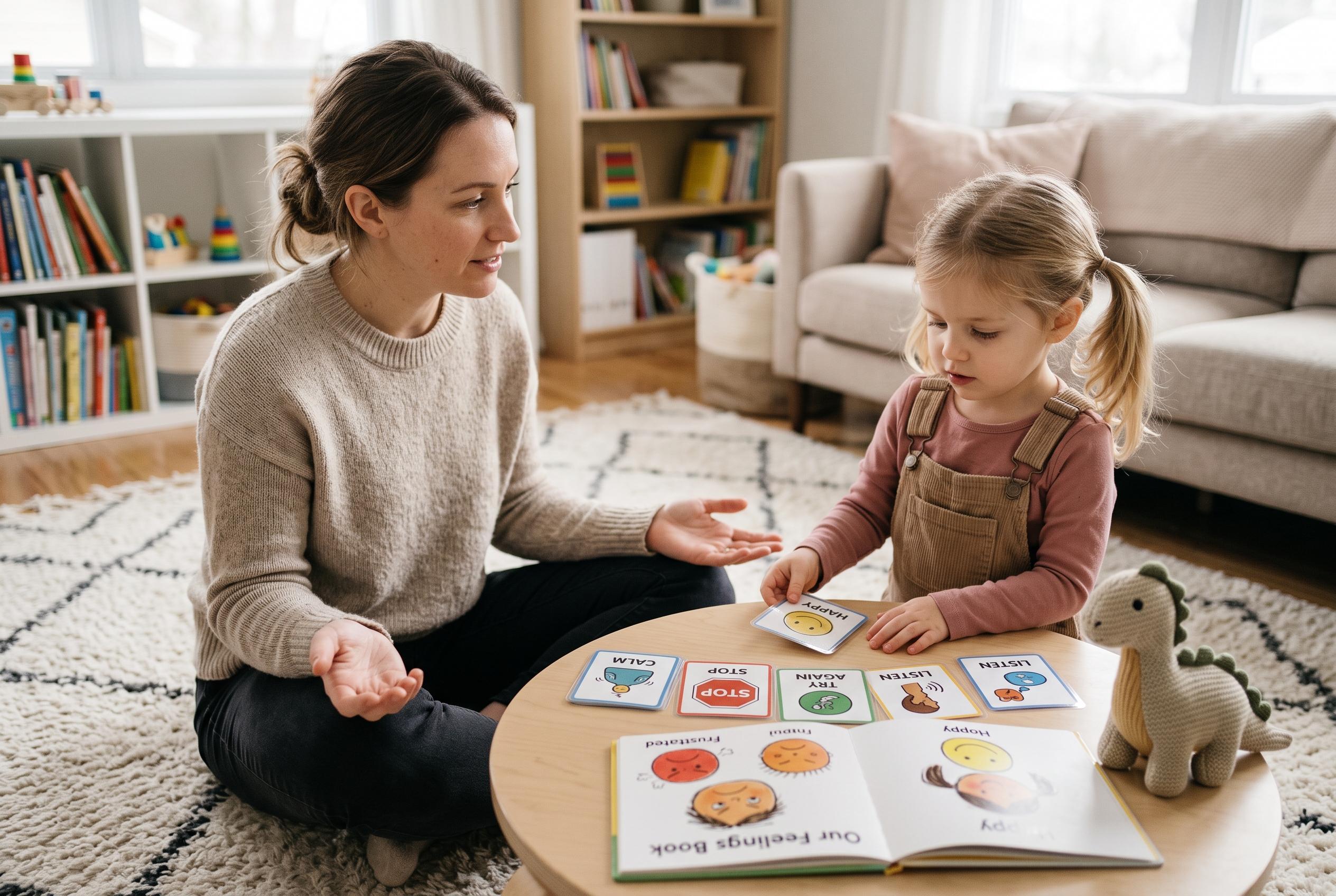

Educational consultant Sihem Majri highlights the importance of parental response and effective communication in managing childhood stubbornness, emphasising that behaviour is shaped by home environment rather than inherent flaws.
Babnet.net reported that educational consultant Sihem Majri is urging parents to see children’s stubbornness as a behaviour shaped largely by the home and wider environment, rather than as a fixed flaw in the child. In her view, the way adults respond matters as much as the behaviour itself, because poor communication can turn a routine disagreement into a repeated struggle.
Majri said parents need better communication skills if they want to handle daily clashes more effectively and avoid reacting as though every refusal is a deliberate challenge. She argued that the aim should be to understand what lies behind the behaviour, then address the problem calmly instead of forcing an outcome or insisting on an adult point of view.
Babnet.net also noted that stubbornness can be a normal part of development in children aged three to five, when testing limits is common. The practical message for families, according to Majri, is to read the child’s perspective carefully, respond to the underlying issue and avoid treating every episode as defiance.
Disclaimer: This content is for informational purposes only and is not intended to be a substitute for professional medical judgment, advice, diagnosis, or treatment.