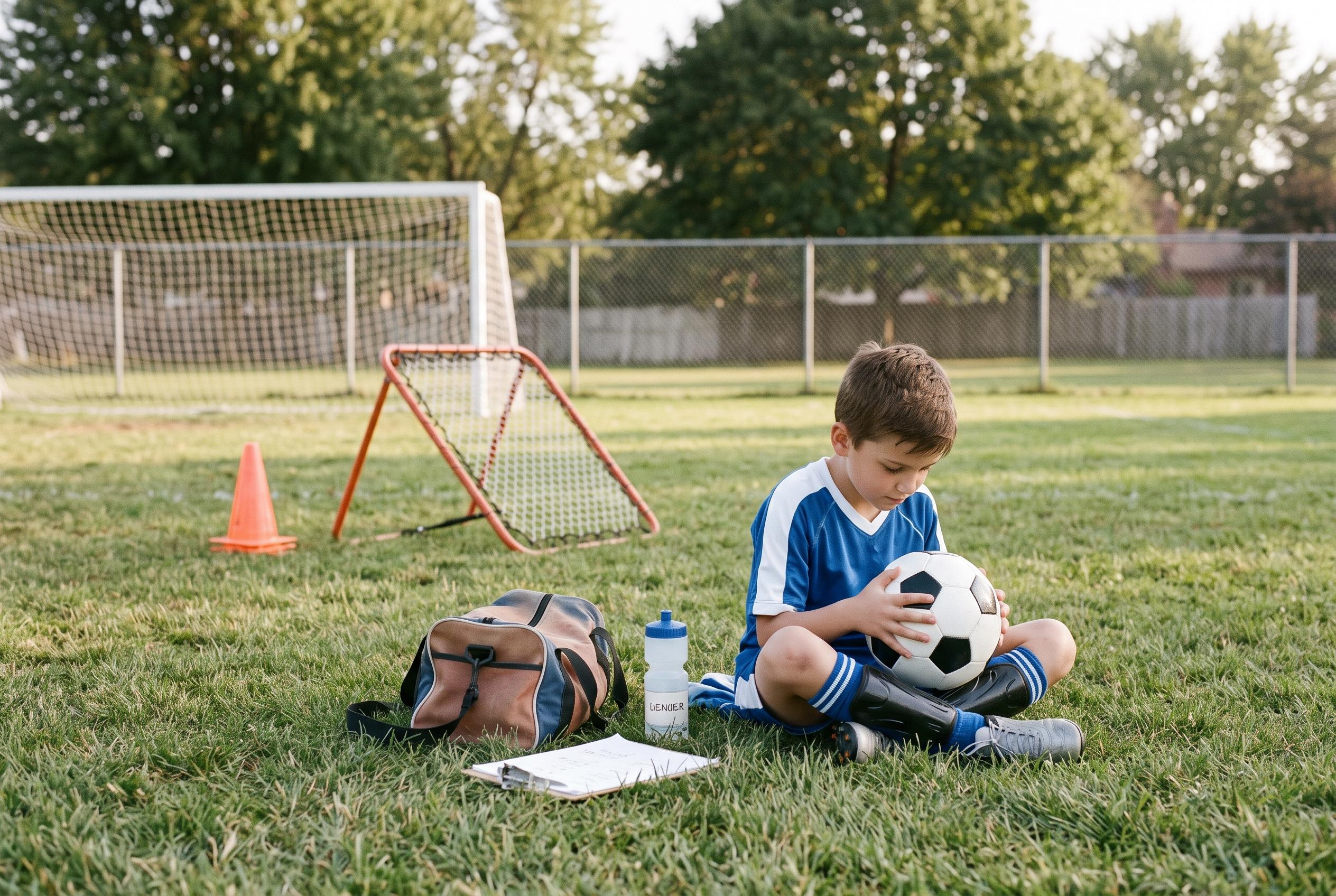

Organised youth sports are increasingly recognised for their role in fostering resilience, emotional health, and life skills, shaping children who can better navigate setbacks and challenges beyond the playing field.
Youth sport can do far more than fill an afternoon. For many children, it is one of the first places they learn how to cope when things do not go to plan, how to keep trying after a setback and how to stay composed when pressure rises. That is why parents and coaches increasingly see organised sport as a setting for character-building as much as competition.
At its simplest, resilience is the ability to recover from difficulty and adapt. UK Coaching says it is not a fixed trait but a mix of behaviours, thoughts and actions that can be developed over time. In practice, that might mean a child missing a shot, losing a match or struggling with a new drill, then learning to reset and try again.
Those repeated small setbacks matter. Kids Sports Finder says youth sport brings physical benefits, including better fitness and stronger bodies, but also emotional gains such as confidence and resilience. The point is not to produce elite athletes, but to help children become healthier, more capable and better able to handle everyday challenges.
Coaches play a central role in that process. According to Kids Sports Psychology and UK Coaching, the best coaches build trust, listen to young athletes and create an atmosphere where mistakes are treated as part of learning. Children are more likely to take healthy risks and improve when they know effort is valued as much as talent.
That approach also changes the way children experience winning and losing. A victory can reinforce discipline and hard work, but a defeat often teaches more about patience, reflection and persistence. Parents can help by focusing less on the score and more on what a child learned, what went well and what they might do differently next time.
Team sports add another layer. Clarke County School District says youth sport can support social and emotional health, while Scripps Health and Penn State PRO Wellness point to wider benefits, including better mood, reduced stress, stronger self-perception, teamwork and academic performance. Working through problems with others teaches children that setbacks are easier to manage when they are shared.
Those lessons do not stay on the pitch. A child who learns to take feedback calmly from a coach is often better prepared to hear correction from a teacher. A child who keeps going after a missed goal may be more willing to persist with a difficult maths problem or a disappointing school project.
That is why the real value of youth sport is not measured only in medals, trophies or league tables. It is found in the steadier, more resilient children it can help shape: children who can cope with disappointment, work with others and keep going when life gets hard.
Disclaimer: This content is for informational purposes only and is not intended to be a substitute for professional medical judgment, advice, diagnosis, or treatment.