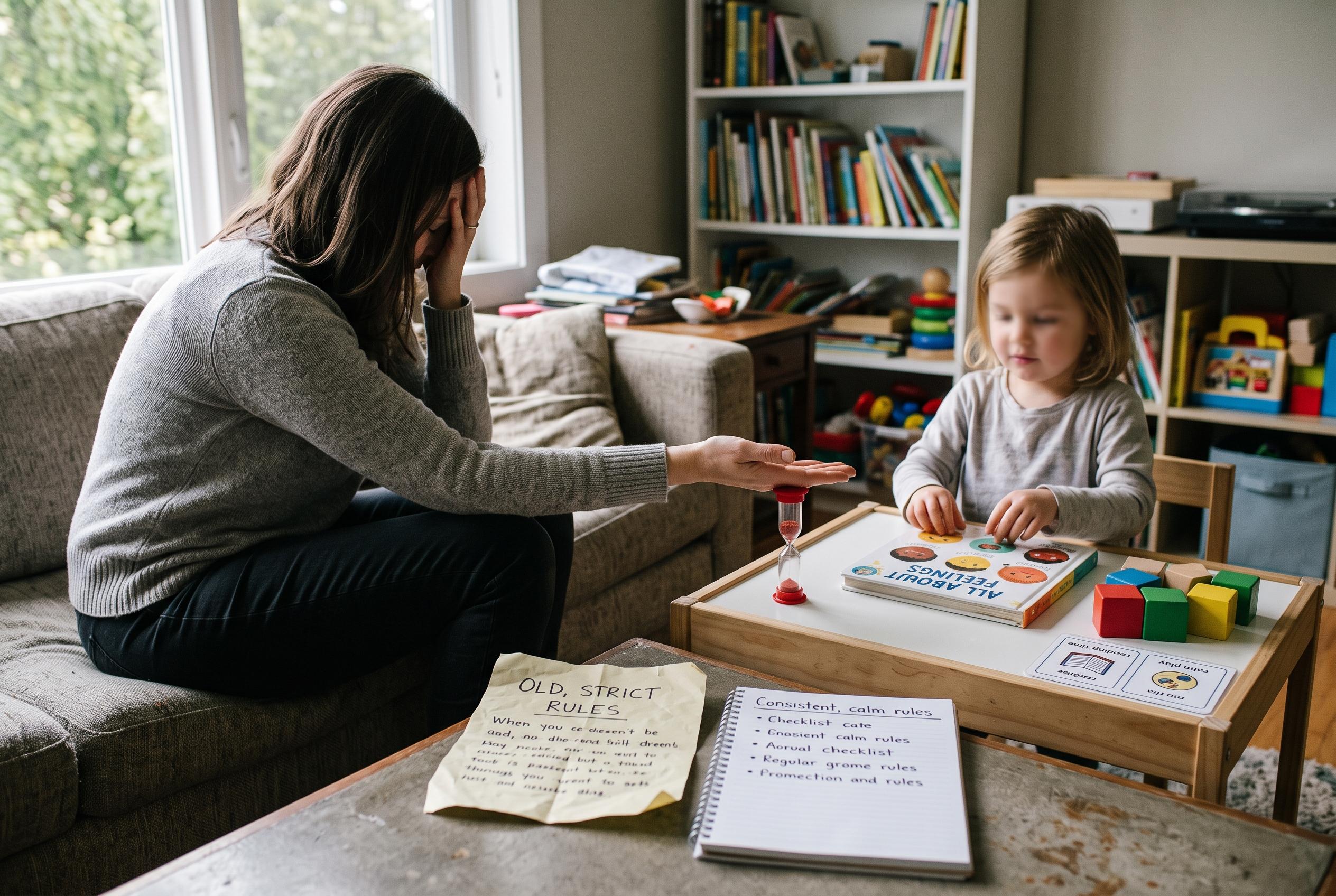

Child psychologist Nadia highlights recurring discipline errors such as spanking, shaming, and inconsistent rules, emphasizing the importance of calm, explanatory guidance and developmentally appropriate expectations to foster healthier parent-child relationships.
Seven years into working with families, child psychologist Nadia says the same discipline errors keep returning, usually not because parents are uncaring, but because they are tired, reactive and repeating what they themselves grew up with. The pattern is familiar: short-term fixes that seem to work in the moment, yet weaken the longer-term goals most parents want, such as trust, self-control and cooperation.
One of the clearest examples is spanking. Research has repeatedly linked corporal punishment with poorer child outcomes, including behavioural, emotional and cognitive harms. A meta-analytic review of longitudinal studies found that 13 of 17 effect sizes connected spanking with increased risk of detrimental outcomes, while later research published in Nature Human Behaviour found similar negative effects in low- and middle-income countries. The American Academy of Pediatrics has also advised parents to avoid spanking because it does not teach responsibility or self-control and can damage the parent-child relationship.
Shaming, humiliating and yelling are other habits that often masquerade as discipline. They may stop a behaviour briefly, but they usually do so by triggering fear rather than understanding. That can leave children focused on avoiding embarrassment, not on learning why their conduct mattered. Consistency is just as important: rules that change from one day to the next teach children to test boundaries rather than respect them.
The same problem appears when time out is used as an angry punishment instead of a calm reset. Used properly, it can help a child settle and give parents a predictable response. Used badly, it becomes another emotional outburst. Empty threats work in much the same way. If a parent says they will leave the park, cancel an outing or impose a consequence they never intend to follow through on, children quickly learn that the warning carries little weight.
Nadia also points to a subtler mistake: giving consequences without explanation. A child may comply, but compliance is not the same as learning. Brief, clear guidance helps children connect actions with effects and makes discipline feel less like punishment and more like instruction. That idea fits with positive discipline approaches, which treat parents as guides rather than enforcers.
Language matters, too. Calling a child “lazy”, “difficult” or “bad” turns a single behaviour into an identity. So does comparing one child with a sibling or classmate. Both approaches tend to breed resentment and shame, while also encouraging children to measure themselves against others instead of improving on their own progress.
Finally, Nadia says many discipline clashes are really about development. Young children are often asked for self-control they are not yet ready to deliver on demand, and even older children need expectations matched to their age and temperament. Withdrawing affection as a way to force compliance can be especially harmful, because it makes love feel conditional. The families who move away from these habits, she says, often find the house becomes calmer, the arguments smaller and the relationship sturdier.
Disclaimer: This content is for informational purposes only and is not intended to be a substitute for professional medical judgment, advice, diagnosis, or treatment.