
With recent tremors in Venezuela prompting concerns for children’s mental health, experts emphasise age-appropriate communication, routine rebuilding, and media management to foster resilience amid shake-up and shock.
Earthquakes can unsettle adults, but for children the shock often lingers in ways that are harder to explain. After recent tremors in Venezuela and wider reports of disaster in the region, families are being urged to focus on restoring a sense of safety, routine and calm rather than dismissing what children feel.
Psychologist Yadira Hidalgo says fear, anxiety and a heightened sense of alert are normal reactions after a quake. The difficulty, she notes, is that younger children tend to read danger through the behaviour of the adults around them, which makes parents and carers central to recovery. Child-focused guidance from the CDC and the American Psychiatric Association similarly recommends giving truthful, age-appropriate explanations and answering questions clearly so children are not left to fill in the gaps themselves.
Experts also stress the value of simply listening. Hidalgo warns that reassuring phrases such as “don’t be scared” can unintentionally make a child feel ignored. A better approach is to ask what they felt, what they think happened and what worries them now, then explain the event in language they can understand. That approach fits with advice from Üsküdar University, which says children should be told the situation is temporary and should not be pressed repeatedly about the event if that risks deepening distress.
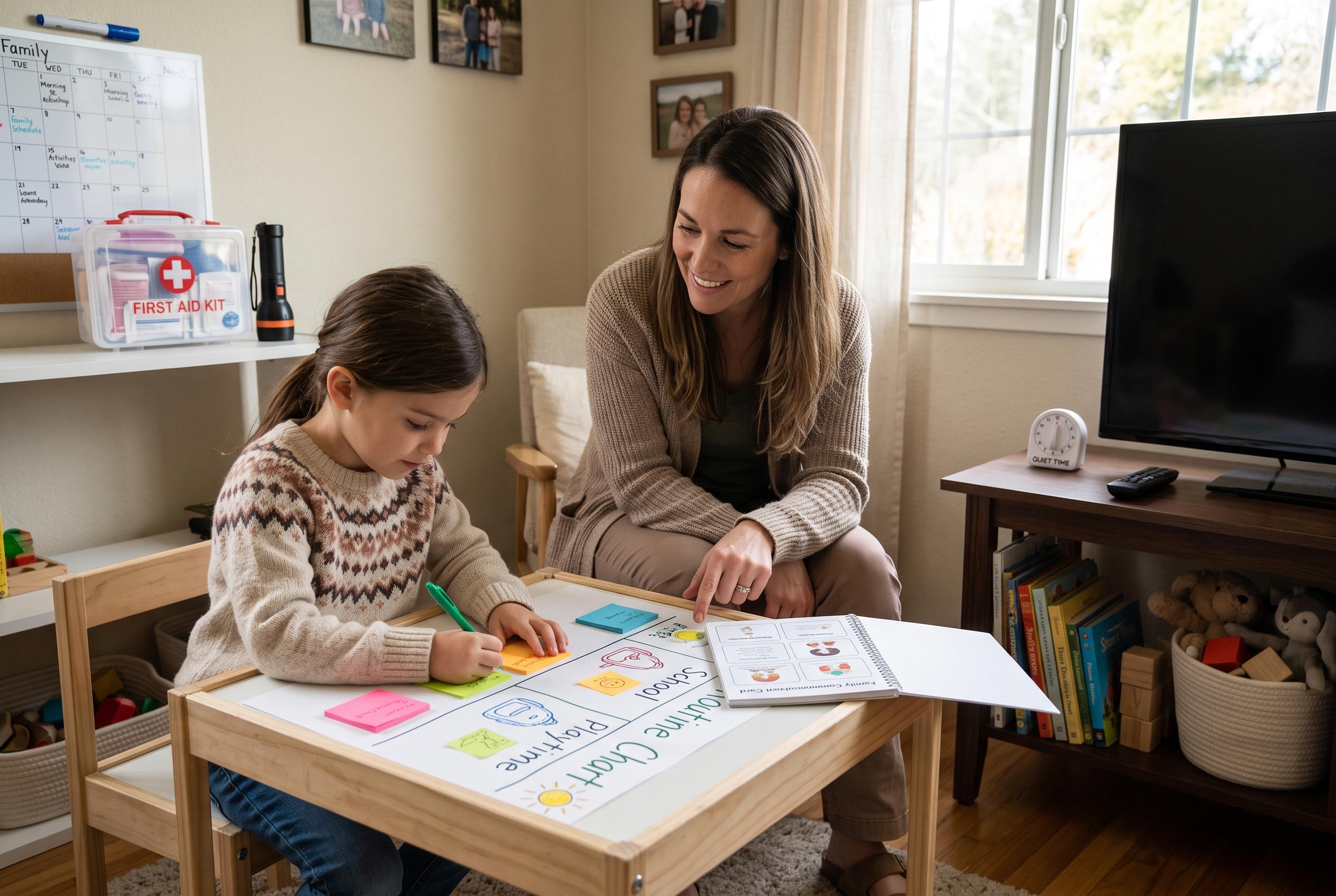
Restoring ordinary routines is another important step. The CDC, Save the Children and HealthyChildren.org all point to the stabilising effect of familiar mealtimes, play, sleep and school-day structure after a disaster. For children who are afraid to sleep alone, Hidalgo advises staying nearby and offering presence in their own room rather than moving them immediately into a parent’s bed. Keeping up recreational activities and contact with other children can also help reduce tension.
Parents are being warned, too, about the effect of constant disaster coverage. Repeated images, alarmist social media posts and graphic footage can keep children in a state of unnecessary alert. The American Psychiatric Association and other child-health groups advise limiting media exposure and modelling calm behaviour, because children often judge risk by watching how adults react.
Most children recover with reassurance and time, but persistent changes deserve attention. Ongoing withdrawal, repeated crying, sleep problems, loss of appetite, apathy or a sudden lack of interest in favourite activities can signal that professional help is needed. Hidalgo says the emotional stability of the caregiver matters just as much as the child’s response: adults who recognise their own stress and seek support are better placed to offer the steady reassurance children need after a natural disaster.
Disclaimer: This content is for informational purposes only and is not intended to be a substitute for professional medical judgment, advice, diagnosis, or treatment.