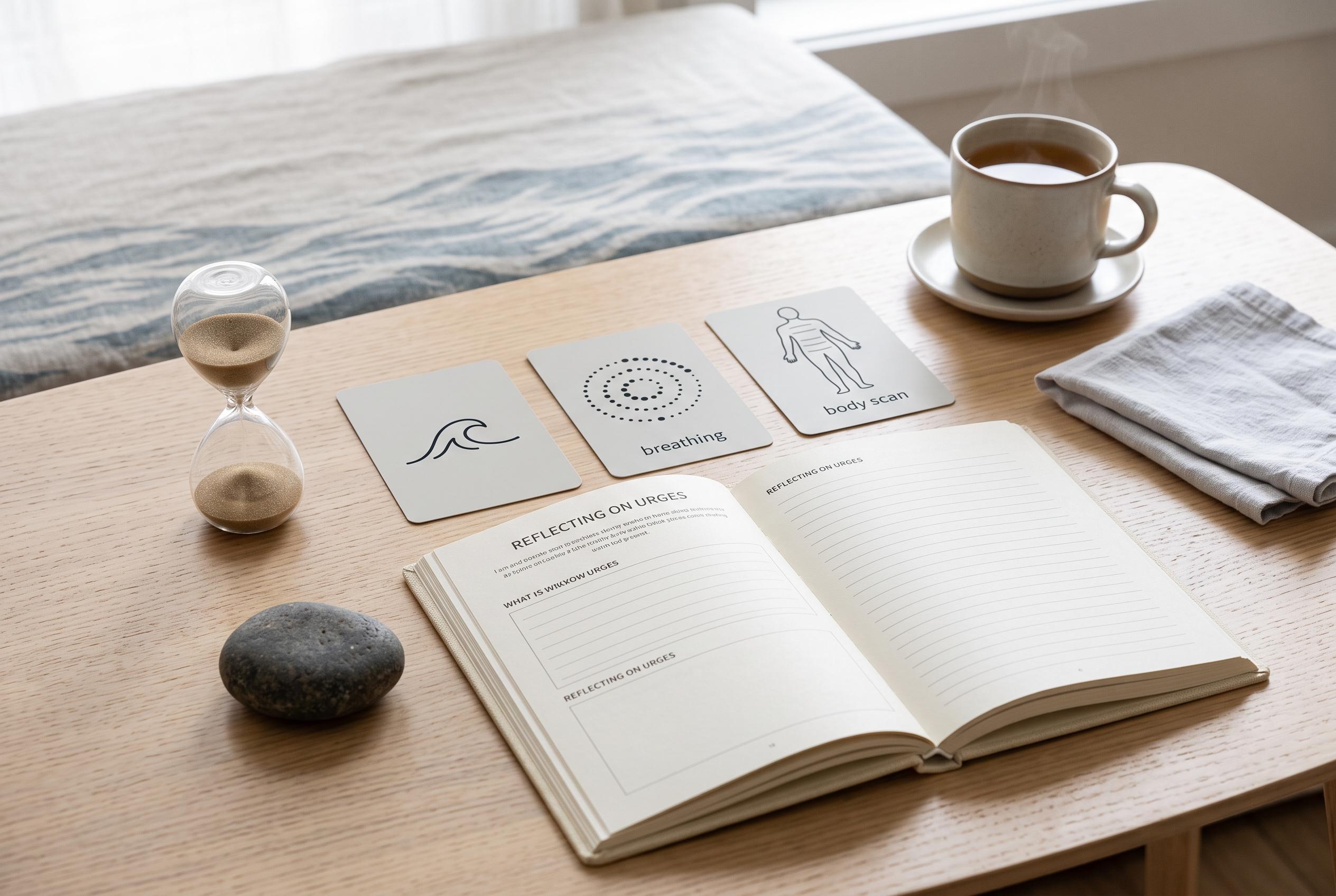

A recent guide highlights practical mindfulness methods, from urge surfing to body scans, offering immediate tools for managing impulses and fostering long-term behavioural change.
Mindfulness can be a practical tool for people who struggle with impulsive behaviour, because it helps create a small gap between feeling and action. The basic idea is simple: urges often flare when someone is tired, stressed, bored or emotionally overloaded, and a brief moment of awareness can make it easier to choose a better response. According to the guide from Mindful Child Aerial Yoga, the aim is not to eliminate urges altogether, but to recognise them early, calm the body and respond with more intention.
A useful starting point is to understand the difference between mindfulness and meditation. Simply Psychology, Yoga.com, Forbes Health and Mindful.net all describe mindfulness as a way of paying deliberate, non-judgemental attention to the present moment, which can happen during everyday activities. Meditation, by contrast, is a more formal practice with set time and structure that helps train attention. That distinction matters because it gives people a realistic plan: meditation can build the skill, while mindfulness can be used in the middle of a difficult moment, such as shopping, arguing or scrolling on a phone.
The most immediate techniques are often the simplest. The guide recommends a short pause in which a person notices the urge, names it and asks what is actually needed. It also points to urge surfing, a method of observing an urge as something that rises and falls rather than something that must be acted on at once. These practices can be especially useful when impulses are tied to anger, cravings or stress spending, because they shift attention from automatic reaction to conscious choice.
Breathing and body-based exercises can add another layer of control. Longer exhalations are presented as a quick way to ease tension, while box breathing is suggested as a steadying technique for moments of pressure. The guide also highlights body scan practice, in which attention moves slowly through the body to notice tightness, restlessness or other early warning signs. A short mindful walking exercise is another option for people who find sitting still difficult, allowing them to practise awareness while moving.
For longer-term results, the guide advises making mindfulness part of daily routine rather than saving it for crisis points. It suggests brief morning, midday and evening practices, along with simple supports such as better sleep, hydration and fewer triggers within reach. It also warns against common mistakes, such as trying to stop thoughts completely or using mindfulness to push feelings away. The broader message is that impulse control improves through repetition: notice the urge, settle the body and choose the next best step.
Disclaimer: This content is for informational purposes only and is not intended to be a substitute for professional medical judgment, advice, diagnosis, or treatment.