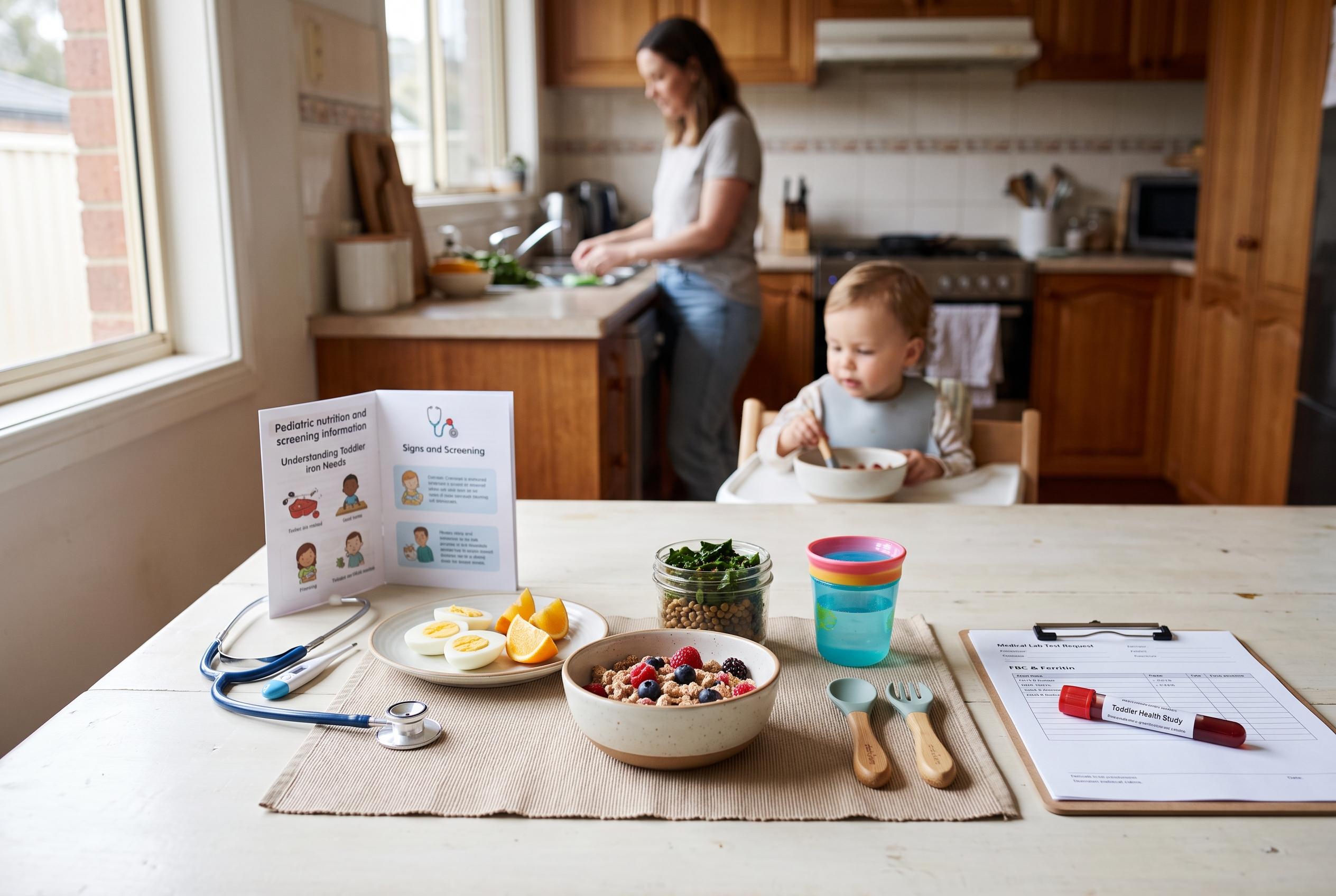

Recent fatalities of three toddlers in Queensland linked to low iron levels spark concern over early detection and prevention of iron deficiency in young children, with experts emphasising dietary vigilance and timely testing.
Recent deaths of three toddlers in Queensland, which have been linked to low iron levels, have left many parents worrying about whether their own child is getting enough of the mineral. Health experts say severe iron deficiency is unusual, but it remains one of the most common nutrient shortfalls in young children, making early attention worthwhile.
Iron helps the body carry oxygen and is important for brain development, growth, immunity and learning. The Mayo Clinic and HealthyChildren.org both note that insufficient iron can progress to iron deficiency anaemia, a condition in which haemoglobin is too low to move oxygen efficiently around the body. In early childhood, low iron has also been associated with poorer cognitive, behavioural and motor development.
The first signs can be easy to miss. Children with low iron may seem unusually tired, pale, irritable or disinterested in food, and they may gain weight or grow more slowly. Some children develop pica, a craving to chew or eat non-food items such as dirt or paper. The problem is that these signs are not specific, so symptoms alone are not enough for a diagnosis. If a doctor suspects iron deficiency, blood tests usually check ferritin, which reflects iron stores, and haemoglobin to see whether anaemia has developed.
Diet is often central to prevention. Healthline, the Mayo Clinic and the American Academy of Pediatrics all say iron-rich foods for toddlers include lean red meat, chicken, fish, eggs, beans, lentils, tofu and iron-fortified cereals. Vitamin C can help the body absorb plant-based iron, so foods such as orange, strawberry, kiwi fruit and capsicum can be useful pairings. Too much cow’s milk can crowd out iron-rich foods, and Australian guidance recommends limiting intake to about 500 millilitres a day after 12 months of age.
Breastfeeding can continue beyond infancy and still offers nutritional benefits, but it no longer supplies enough iron on its own from around six months, when babies need complementary foods. Formula sold in Australia already contains iron in line with food standards. The main message for families is steady, varied feeding rather than perfection at every meal. If parents are concerned about diet, growth, development or energy levels, they should speak to a GP, child health nurse or accredited practising dietitian, who can decide whether testing or treatment is needed.
Disclaimer: This content is for informational purposes only and is not intended to be a substitute for professional medical judgment, advice, diagnosis, or treatment.