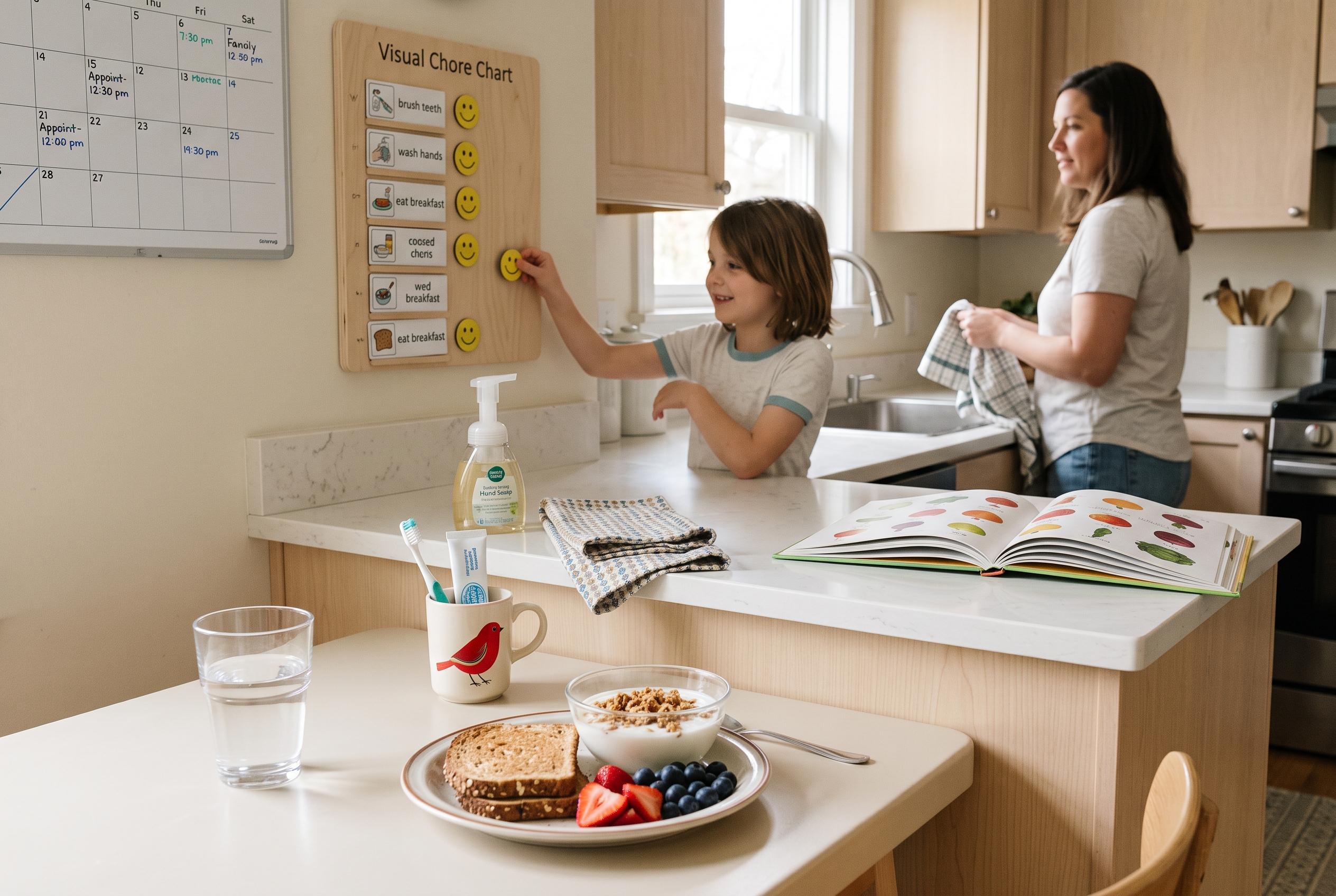

Children learn vital health behaviours at home through daily routines and the way parents model self-care, with recent guidance emphasising gradual, positive habits over fear-based messaging to foster lifelong well-being.
Children learn far more about health from what happens at home than from any lecture or classroom lesson. The habits parents practise every day – what they eat, how they move, how they rest and the way they speak about their own bodies – become the blueprint their children are most likely to follow. That message is central to the original piece by Nataly Zaá Riveros, and it is strongly backed by health guidance from the Penn State PRO Wellness programme and the National Institutes of Health, both of which stress that family behaviour shapes long-term choices.
The strongest lessons are usually the quietest ones. When adults skip breakfast, eat in a rush, spend long hours on screens or treat self-care as something that can wait, children absorb the idea that wellbeing is optional. The opposite is also true: shared meals, regular movement and steady sleep routines show that looking after the body is part of ordinary life. The American Academy of Pediatrics says predictable family routines help children feel organised and reduce daily chaos, while the CDC notes that healthy eating, physical activity and enough sleep all play a role in preventing unhealthy weight gain.
Health education also works best when it avoids fear. Warnings such as “if you eat that, you’ll gain weight” or “if you do not exercise, you will get sick” may be meant to persuade, but they can create shame and damage a child’s relationship with food and body image. Cleveland Clinic advises parents to focus instead on balanced nutrition, family meal times and positive role modelling, while the NIH recommends making healthy choices easy and fun rather than punitive.
Small, repeatable actions often matter more than dramatic changes. A family walk at the weekend, one device-free meal a day, a more regular bedtime or a shared breakfast can build habits that last well into adulthood. Penn State PRO Wellness says children are more likely to become active adults when movement is part of family life, and the CDC similarly encourages gradual changes that make healthy routines easier to keep.
How parents talk about themselves matters too. Children who hear constant criticism of a parent’s body can learn to judge their own in the same way. But when adults speak with respect about themselves, focus on what their bodies can do and model care rather than contempt, they help build healthier self-esteem. The wider research on family routines and activity also suggests that this kind of consistency supports not just physical health but better behaviour, learning and social development. In that sense, the most durable legacy is not perfection but a home where wellbeing is normal, visible and shared.
Disclaimer: This content is for informational purposes only and is not intended to be a substitute for professional medical judgment, advice, diagnosis, or treatment.