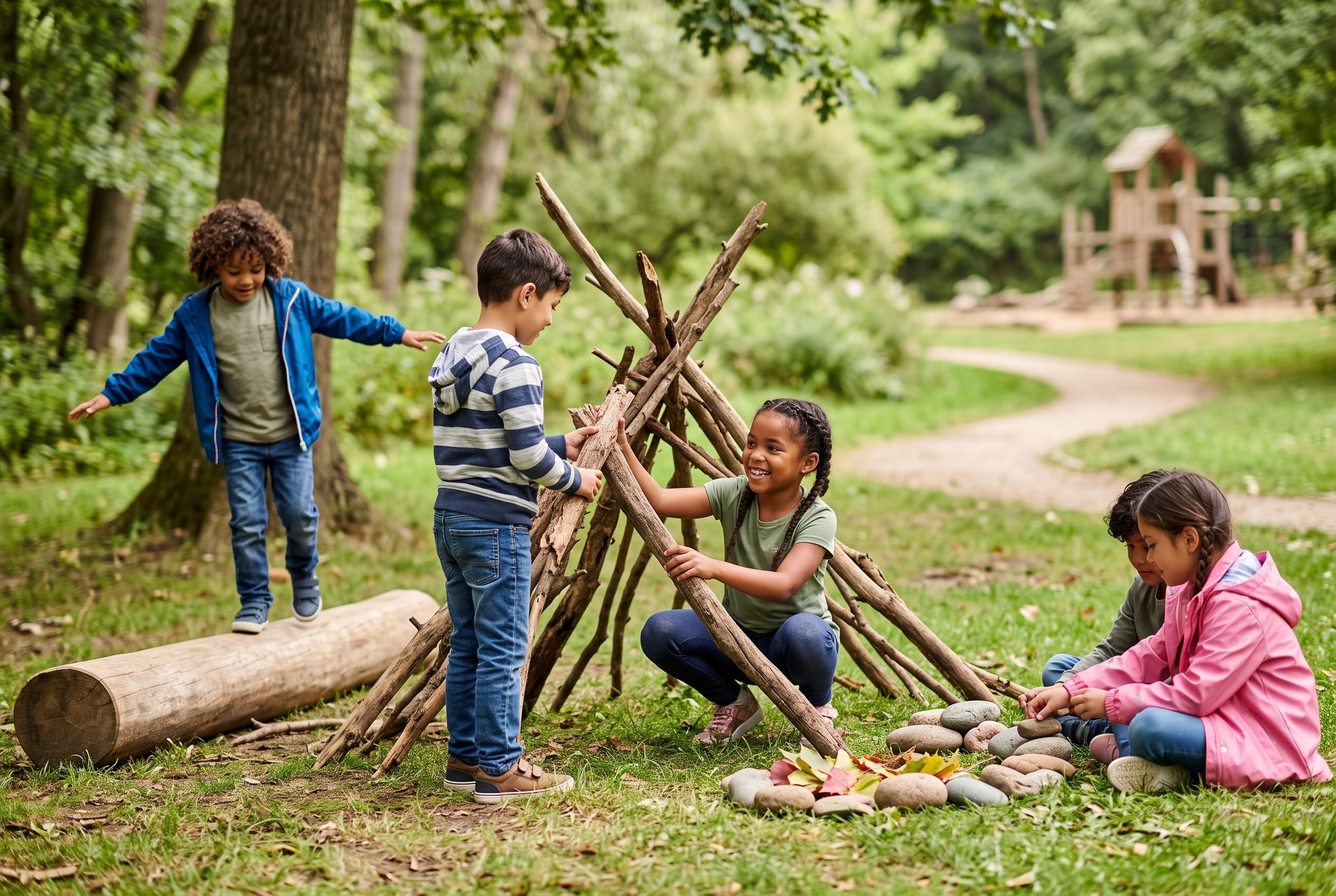

Emerging studies reveal that playing with friends not only fosters emotional and social skills in children but also encourages physical activity, with potential long-term benefits for mental well-being and healthy habits.
Playing with friends is far more than a way to pass the time. It helps children build bonds, practise communication, and learn how to share, negotiate and cooperate. Child development experts say play also supports emotional well-being, giving children a safe way to work through feelings, reduce stress and grow in confidence. According to UNICEF, regular play with parents can ease anxiety, low mood, aggression and sleep problems, while also strengthening the parent-child relationship.
That social value carries into peer play. HealthyChildren.org says children who play together learn the skills needed to make and keep friends, and that active play can be encouraged through parks, playgroups and other shared settings. Research highlighted by the University of Cambridge suggests that children who are better at playing with peers at pre-school age are less likely to show later mental health difficulties, including hyperactivity and emotional problems.
The benefits are not limited to emotional growth. The American Academy of Paediatrics says play supports social, cognitive and physical development, and that unstructured play helps children learn to work in groups, resolve conflicts and speak up for themselves. Healthline describes cooperative play, which typically emerges around ages four and five, as a stage in which children begin working together towards a common goal, such as completing a puzzle or creating a shared artwork.
Shared activity can also encourage movement. Emory University reported on research showing that children are more active when their friends are active, especially when they play sport or walk to school together. That makes friendship a powerful influence on healthy habits, not just a source of fun.
Beyond games and sport, the wider world of extracurricular activities can deepen those lessons. Clubs, music, debate, coding, volunteering and youth leadership roles can all help children build confidence, teamwork and responsibility. Even simple creative games such as scribble challenges or quick drawing rounds with friends can spark imagination while reinforcing the pleasure of learning together.
Disclaimer: This content is for informational purposes only and is not intended to be a substitute for professional medical judgment, advice, diagnosis, or treatment.