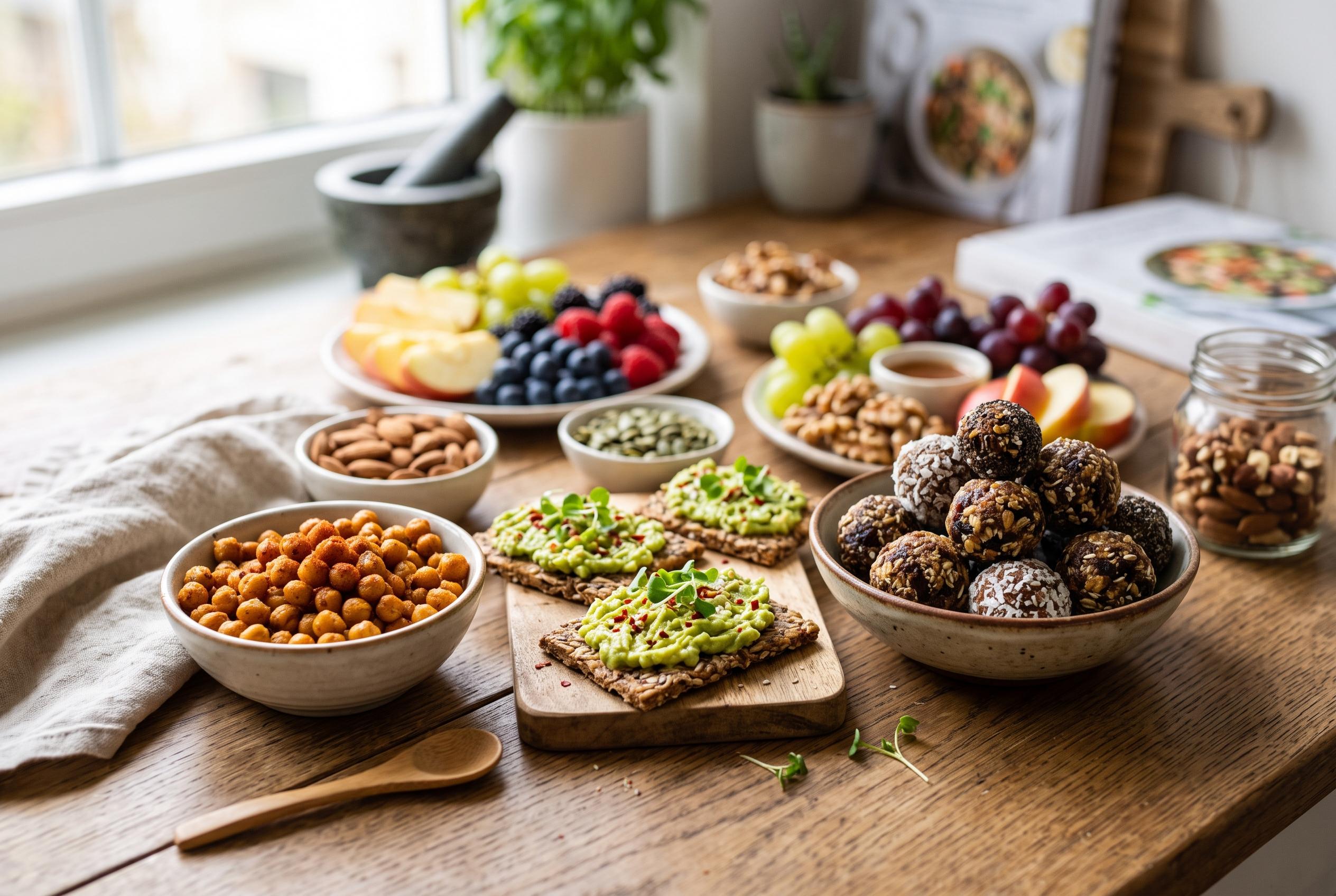

A new wave of snack recipes focusing on texture and wholesome ingredients is offering satisfying alternatives to junk food, driven by a desire for indulgence without compromising health.
The idea of a snack that scratches the same itch as chips, candy or a cookie is not as far-fetched as it sounds. The So Yummy article argues that cravings are driven by a mix of salt, sugar, fat, crunch and creamy texture, and that the trick is to recreate those sensations with better ingredients rather than simply cutting flavour away. That approach is reflected in a growing crop of recipes built around dates, yoghurt, oats, nuts and air-fried vegetables. These snacks aim to feel indulgent while relying on fibre, protein and fruit rather than ultra-processed ingredients.
One of the clearest examples is the date-based snack trend. Love and Lemons published a date ball recipe in January that combines Medjool dates, oats, walnuts and chocolate chips for a bite that resembles cookie dough, while recipe sites have also highlighted stuffed dates as a stand-in for candy bars. Variations include almond butter, peanut butter, Brie and a sprinkle of flaky sea salt, showing how one ingredient can cover both sweet and savoury cravings. For busy families, the appeal is obvious: these snacks are quick to assemble, portable and easy to store in the fridge or freezer.
The same logic applies to air-fryer snacks, which are designed to deliver crunch without deep-frying. So Yummy points to jicama, green beans and cauliflower as candidates for chip-like or fry-like makeovers, using light coatings and high heat to create a crisp exterior. Other recipe collections have taken a similar route with dessert-style options, including peanut butter-stuffed dates finished with sea salt and brief air-fryer cooking. The result is a snack that feels more like a treat than a compromise, yet still relies on whole-food ingredients.
Sweet cravings can be met with equally familiar swaps. Love and Lemons-style energy bites, made with oats, dates and nut butter, lean into the chewy satisfaction of cookie dough, while frozen yoghurt bark delivers a brittle, candy-like snap that children often find fun to eat. So Yummy also points to chocolate hummus and banana-based “nice cream” as examples of desserts that keep the creamy mouthfeel people associate with ice cream or frosting. The common thread is texture: once the snack has the right balance of crunch, chew and creaminess, the perceived need for sugar often falls away.
For parents and caregivers, the bigger lesson is that healthier snacks do not have to look like punishment. A snack that is salty, cold, chewy or crisp can be far more successful than one that merely promises to be “good for you”. The best options tend to combine a little protein, a little fibre and a familiar flavour profile, whether that comes from dates and nut butter, yoghurt and fruit, or roasted vegetables with savoury seasoning. In practice, that means the most useful “junk food” alternative is often the one children will actually eat, happily and repeatedly.
Disclaimer: This content is for informational purposes only and is not intended to be a substitute for professional medical judgment, advice, diagnosis, or treatment.