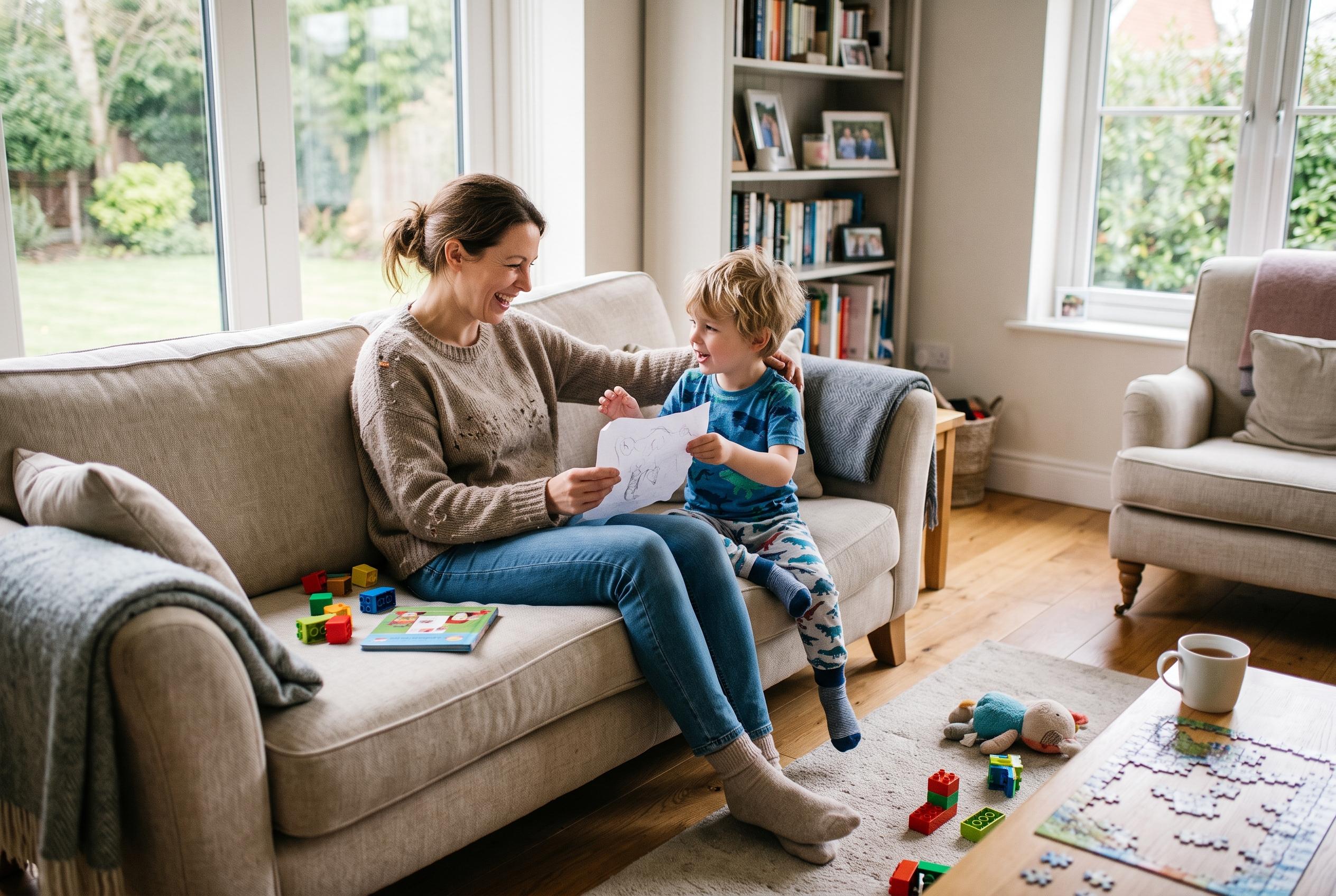

Parents in wealthy countries face growing emotional challenges, with rising stress, social comparison, and digital demands prompting calls for a shift towards accepting ‘good enough’ parenting to support family well-being.
Parenting in wealthy countries has become a more emotionally demanding job, with many mothers and fathers describing the experience as exhausting, isolating and full of doubt. Genevieve Muir, a parent educator who has worked with more than 40,000 families, says raising children now can feel like “learning an entirely new language”, a phrase that captures how sharply expectations have shifted in a generation. Research cited by The Brisbanetimes and Pew Research Centre suggests most parents now believe child-rearing is harder than it was for their own parents, and the pressure is no longer limited to children’s welfare: adults are increasingly struggling too.
That strain is showing up in hard numbers. Australia’s Parenting Research Centre found in its Parenting Today study that almost 60% of the 10,000 parents and carers surveyed were experiencing moderate or high psychological distress. Many reported loneliness, guilt and persistent self-doubt, while more than half said they could not forgive themselves for parenting mistakes. Those findings echo a warning from US Surgeon General Vivek Murthy, who has described chronic parental stress as a public health issue driven by pressures older generations did not face.
Experts say the problem is not simply that parents care more, but that the role has expanded. Daniela McCann of the Australian Psychological Association says modern parents are exposed to a constant stream of advice, social comparison and claims about optimising child development, which can make ordinary mistakes feel catastrophic. Dr Kaylene Henderson, a child health specialist and parenting expert, says technology has added another burden by keeping parents mentally tied to work while they are at home, fuelling guilt and reducing the sense that they can ever switch off. In her view, the loss of community support has left many families feeling they must do more alone.
Recent research backs up that picture. A 2024 study indexed by PubMed found that stronger endorsement of intensive mothering beliefs was linked with greater parenting guilt and, in some cases, burnout. A separate paper in Frontiers in Psychology this year examined digitally mediated parenting in dual-earner families and found that heavier digital parenting demands were associated with emotional exhaustion, with time pressure and guilt acting as key pathways. Other studies have explored the values behind intensive parenting and the way these ideals intersect with maternal mental health, reinforcing the idea that the modern parenting style praised as devoted can also be punishing.
The central message from the experts is more reassuring than the culture around parenting often allows: children do not need perfection. Henderson argues that the most important factor is the quality of the parent-child relationship, not the endless pursuit of ideal outcomes. In that sense, the pressure may be new, but the answer is not complicated. Good enough parenting, she suggests, really is good enough.
Disclaimer: This content is for informational purposes only and is not intended to be a substitute for professional medical judgment, advice, diagnosis, or treatment.